Mail Order Venison: A Comprehensive Guide
Intro
In recent years, the culinary landscape has seen a noteworthy shift toward unique and sustainable protein sources. One such source is venison, which has been catching the eye of adventurous food lovers. The mail order venison market, having sprouted from a niche interest to a more mainstream availability, is broadening horizons for consumers looking to diversify their diets while embracing ethical eating practices.
Best known for its rich flavor and leaner profile compared to traditional meats, venison offers not only a delightful culinary experience but also aligns with growing interests in holistic nutrition and environmentally friendly sourcing. It’s not just about what’s on the plate; it’s about understanding where the food comes from and how it impacts the ecosystem. As more people discover the benefits of this game meat, there are important considerations for both consumers and suppliers alike.
With this article, we aim to peel back the layers on mail order venison, providing insights on critical factors such as sourcing ethics, preparation methods, nutritional advantages, and advice for responsible consumption. Whether you are a seasoned chef or a curious eater venturing into the realm of game meats, there's something valuable here for everyone.
As we take this journey together, let’s explore the various dimensions of mail order venison—bringing clarity and confidence to your culinary adventures.
Prolusion to Mail Order Venison
The rise of mail order venison has sparked considerable interest among food enthusiasts and health-conscious consumers alike. This section introduces key points about mail order venison and its impact on modern dietary choices. With the ongoing conversation about sustainable eating and taking responsibility for how our food is sourced, venison emerges as a compelling protein option. It offers both unique culinary experiences and relevant health benefits. As we dive deeper into this topic, understanding the nuances and benefits becomes paramount for those looking to make informed choices in their diets.
Historical Context
To truly grasp the significance of mail order venison today, it helps to reflect on its past. Historically, hunting venison was a practical necessity for many communities, especially in less urbanized areas. Embracing a subsistence lifestyle, communities relied on wild game as a primary source of protein. Culture and tradition often shaped these practices, passed down through generations.
As time went by, the commercialization of venison grew. During the late 20th century, with an increase in awareness about health and fitness, venison was touted for its lean profile when compared to traditional beef or pork. This shift created a small yet noticeable market for venison products, which began to gain traction.
Today, the advent of mail order services caters to a growing demand for convenience and accessibility. Customers can now enjoy the rich flavors of venison without the constraints of local hunting seasons. This historical evolution showcases how mail order venison operates not just as a product, but as a reflection of changing dietary preferences and modern consumerism.
Current Trends
Presently, mail order venison represents a rapidly expanding niche in the food market. The growing interest in sustainable and ethically sourced foods drives this upward trend. Consumers are increasingly searching for meats that are both healthy and environmentally responsible. Venison, sourced from regulated hunts or sustainable farms, checks these boxes well.
The digital landscape has also played a crucial role in this growth. E-commerce platforms and specialized vendors have made it simpler than ever for consumers to find quality venison products. Shoppers no longer need to venture out into the great outdoors; they can browse a cornucopia of options right from their homes.
Furthermore, the increasing popularity can be attributed to diverse culinary uses of venison. From classic stews that evoke warm, cozy dinners to high-end gourmet meals that feature intricately plated venison dishes, there’s no shortage of recipes for cooks of all skill levels. This versatility drives home the relevance of venison in contemporary cooking, making it an appealing option for those looking to expand their culinary horizons.
As we continue to explore this realm, keep in mind the implications these trends could hold for consumers, suppliers, and the meat industry overall. The journey into mail order venison is not only about the meat itself; it reflects a broader shift in our culinary and social landscape.
Understanding Venison as a Protein Source
When it comes to choosing protein sources, venison stands tall, not just for its flavor but also for its health profile. In an era where diet plays a crucial role in well-being, understanding venison's characteristics helps consumers make informed choices. As the market for mail order venison grows, comprehending its value as a protein source becomes essential. This section lays the groundwork for appreciating venison not just as a meal, but as a health-conscious selection filled with benefits.
Nutritional Profile
Vitamins and Minerals
Venison is rich in several vitamins and minerals. These nutrients play a pivotal role in enhancing overall health. For instance, venison is a powerhouse of B vitamins like B12, which is essential for red blood cell formation and brain health. Moreover, minerals such as zinc support immunity and healing. The unique profile of these vitamins and minerals makes venison a beneficial choice for those aiming to bolster their dietary intake.
What truly makes venison a standout option is how it's often considered a more nutrient-dense option compared to conventionally raised meats. This higher yield of vitamins and minerals holds a significant advantage in nutritional meals, appealing to those who prioritize health in their diets.
Caloric Content
Venison is also famed for its lower caloric content compared to beef or pork. A 3-ounce serving of venison provides about 158 calories, making it a lighter alternative that doesn’t compromise on taste. This characteristic is particularly popular among health-conscious consumers.
Given that calorie control is fundamental for many individuals, especially when aiming to lose or maintain weight, the lean nature of venison makes it an attractive choice. This calorie-conscious profile can help you enjoy flavorful meals without straying from dietary goals.
Saturated vs. Unsaturated Fats
When discussing fats, venison has a distinctive advantage. It contains less saturated fat compared to some other meats. In fact, a serving typically boasts about 2 grams of saturated fat, which is significantly lower than beef or lamb. This lower saturated fat content lends itself to cardiovascular health, making it a wise choice for those concerned about heart-related issues.
Additionally, venison is often praised for its balance of unsaturated fats, which are beneficial for heart health. These fats help in reducing bad cholesterol levels. Understanding this distinction between fats is key in today’s health-conscious society.
Health Benefits
Lean Meat Alternatives
Venison offers a compelling alternative to more traditional meats like beef and pork. Not only does it have a leaner profile, which translates to a lower fat content, but it also introduces a different flavor and culinary flexibility. This characteristic makes it popular among those seeking variety in protein sources while still adhering to a healthy diet.
Diverse cooking methods can be applied to venison, which can cater to different palates. Some people find that switching to lean meat alternatives like venison can lead to enhanced energy levels and overall well-being, turning meals into guilt-free experiences.
Iron Content
Another noteworthy aspect of venison is its impressive iron content. It's particularly high in heme iron, which the body absorbs more efficiently than the non-heme iron found in plant foods. This feature positions venison as an excellent choice for individuals who need to boost their iron levels, such as those with anemia or active lifestyles. With around 3.5 mg of iron per serving, it aids in supporting energy and metabolism.
Those who are physically active or looking to increase their stamina often benefit significantly from this quality. Integrating venison into a balanced diet fosters a strong sense of vitality that can positively impact daily activities.
Omega-3 Fatty Acids
Lastly, venison is also a good source of beneficial omega-3 fatty acids, though not as high as fatty fish. These fatty acids play critical roles in brain health, cognitive function, and overall inflammation reduction.
Eating venison can contribute to a balanced intake of omega-3s, which are often found lacking in Western diets dominated by processed foods. Including venison as part of a varied diet can help ensure a decent intake of these essential fats, contributing to a well-rounded approach to nutrition.
In summary, as consumers explore the realm of mail order venison, understanding its nutritional profile and health benefits becomes paramount. Knowledge of these aspects not only equips individuals with the tools to make healthier choices but also enriches their culinary experiences.
Sourcing Mail Order Venison
Sourcing mail order venison isn’t just about placing an order; it’s about connecting with sources that respect sustainability, ethics, and quality. As consumers become more conscious of their food choices, understanding how venison gets from the wild or farm to your table is paramount. This section sheds light on the intricacies surrounding venison sourcing, emphasizing the significance of ethical hunting practices and vendor selection criteria.
Ethical Hunting Practices
Wild vs. Farmed Venison
The consideration between wild and farmed venison is central to the conversation about ethical sourcing. Wild venison typically comes from deer that have been hunted in their natural habitats. This variety often has a distinctive flavor and texture, celebrated by many culinary enthusiasts for its richness. Farms, on the other hand, are more controlled environments where deer are raised under specific conditions. While farmed venison can be more consistently produced, questions about animal welfare practices naturally arise.
When thinking of wild venison, many appreciate how it allows for natural population control and contributes to ecological balance, connecting consumers directly to conservation efforts. On the flip side, farmed venison may offer more predictability regarding supply, which is useful for chefs and suppliers looking for consistency. Evaluating these choices is an essential part of navigating the mail order venison market.


Sustainable Sourcing
Sustainable sourcing in the realm of venison is increasingly vital as concerns about environmental impact come to the forefront. This practice revolves around ensuring that venison is obtained in ways that uphold wildlife populations and ecosystems. Sustainable sourcing helps to support habitats, making sure that both the deer and the environment thrive.
A key aspect of sustainable sourcing is the regulatory framework that guides hunting practices, guiding hunters to make decisions that protect species and habitats. In addition, such sourcing often includes certification programs that communicate an assurance of responsible practices. However, one should also ponder whether the regulations truly enforce sustainable practices or if they merely serve as guidelines that can be circumvented.
Vendor Selection Criteria
Choosing the right vendor to purchase mail order venison from is critical, as not all providers adhere to the same standards. A thoughtful approach to vendor selection can ensure high-quality meat and ethical practices.
Certification
Certification is a cornerstone of trust in the market. Programs that certify venison can indicate that the products meet certain environmental and ethical standards. This could mean that the venison has been sourced from well-managed populations or farms that prioritize animal welfare. Consumers can feel reassured knowing that certified products have undergone scrutiny.
Not all certifications carry the same weight, so one must dig deeper to understand the implications of a given certificate. Are the standards rigorous, or are they more lenient? That's where consumer due diligence comes into play.
Reputation
A vendor's reputation can be a window into their practices and the quality of their products. Customer reviews, professional endorsements, and their presence in culinary circles often reflect the strength of a vendor's commitment to ethical sourcing. A reputable vendor is more likely to prioritize quality and sustainability, ensuring that buyers receive not just good meat but also peace of mind.
Conversely, a good reputation can sometimes be misleading; some vendors may have garnered recognition without a solid foundation of ethical practices. Again, researching and asking questions can go a long way in making informed choices.
Quality Assurance
Quality assurance in mail order venison is non-negotiable. It assures consumers that they will receive products that meet specific standards, from taste to safety. Many vendors implement various measures to maintain quality throughout the supply chain, including proper handling and storage practices.
Yet, it's a two-edged sword. The need for quality assurance can drive prices up. While some consumers are willing to pay a premium for assured quality, others may feel priced out, especially if they’re new to venison. Finding a balance between quality and affordability can be challenging but essential for gaining traction in this market.
In summary, sourcing mail order venison involves a layered approach that encompasses ethical hunting and rigorous vendor assessment. Understanding these elements illuminates a path for responsible consumption, ensuring that enjoyment of this unique protein supports sustainability and ethical practices.
Preparing Venison at Home
Understanding how to prepare venison at home is essential for those looking to explore the culinary capabilities of this unique protein source. The focus goes beyond simple cooking; it involves recognizing the significance of proper storage, mastering cooking techniques, and learning how to enhance flavors. These elements not only contribute to the enjoyment of the meat but also impact healthiness and sustainability.
Storage Guidelines
Freezing Venison
Freezing venison is a crucial method for preserving its quality for future use. Properly freezing meat helps maintain flavor, texture, and nutritional benefits. Unlike other meats that might become mushy when thawed, venison retains its unique lean quality when frozen correctly. The process involves wrapping cuts of venison tightly in butcher paper or vacuum-sealing them, which can prevent freezer burn and maintain the meat's integrity over time.
One benefit of freezing venison involves convenience, allowing you to purchase in bulk and not worry about spoilage. However, it can be tricky to determine the right freezing time. Typically, venison can last in the freezer for six to twelve months when appropriately stored. It’s crucial to label packages with the date, so you know when to use them before quality diminishes.
Thawing Methods
When it comes to thawing venison, it's important to approach the process with caution to maintain food safety and quality. One recommended method is to place the venison in the refrigerator for 24 hours before cooking. This slow thawing allows the meat to retain moisture and keeps bacteria at bay.
An alternative method is a cold-water bath. In this scenario, the venison is sealed in a waterproof bag and immersed in cold water, changing the water every 30 minutes. This method speeds up the thawing process while still keeping the meat at a safe temperature. However, it may be less effective in retaining moisture compared to the refrigerator method. On the other hand, microwave thawing is quick but can lead to uneven heating and potentially start the cooking process, which isn’t ideal.
Cooking Techniques
Grilling
Grilling venison is one of the most beloved methods for preparing this meat, as it brings out its rich flavor. The high heat from the grill creates a delightful char while keeping the inside tender. This technique is particularly suitable for steaks and chops. One key characteristic of venison is that it cooks faster than beef, so it’s essential to monitor cooking times closely to avoid overcooking, which can lead to toughness. Grilling also allows for the use of marinades to enhance the flavors, which can be a delicious addition, especially with herbs and spices.
Braising
Braising is ideal for tougher cuts of venison, transforming them into tender and flavorful dishes. This method involves browning the meat in some fat, then slow-cooking it with liquid, such as broth or red wine, for a longer period. The key aspect of braising is that it infuses the meat with moisture while breaking down tough fibers, making it great for dishes like venison stew. It’s a fairly hands-off approach, perfect for those who want to cook with minimal supervision.
However, braising takes time, often requiring several hours, so planning ahead is necessary. The reward is certainly worth it, as the wait culminates in fork-tender meat brimming with flavor.
Sous Vide
Sous vide, a cooking technique that involves vacuum-sealing food and cooking it in a water bath at a precise temperature, provides an exceptional method for preparing venison. This approach allows for exact control over cooking, resulting in consistently tender and perfectly cooked meat every time. The sous vide method is particularly beneficial for the lean cuts of venison, keeping the meat moist throughout the cooking process.
However, sous vide cooking requires specialized equipment and can take a long time—often several hours—depending on the desired doneness. Still, the method is favored by those who appreciate the depth of flavor achieved by sealing the meat with herbs or spices while cooking.
Flavor Pairings
Herbs and Spices
The choice of herbs and spices can elevate the flavor of venison tremendously. Classic pairings like rosemary, thyme, and juniper berries complement the rich and gamey taste of the meat. These flavors, when used judiciously, enhance the natural essence of the venison without overpowering it.
Using fresh herbs is often recommended, as they can impart a vibrant taste, although dried herbs certainly do the trick as long as they're used in moderation. Care should be taken not to overwhelm the intrinsic flavor of the meat, as venison is delicate and doesn't require excessive seasoning.
Complementary Ingredients
Pairing venison with complementary ingredients can create a harmonious dish. Ingredients like mushrooms, root vegetables, and fruits such as apples or cranberries can serve to enrich the venison's flavor. Root vegetables, being hearty and earthy, marry well with venison stews, while sweet fruit salsas can lighten and brighten grilled cuts.
A good rule of thumb is to keep flavors balanced; contrasting components like a tangy sauce can offer a lovely contrast to the meat's richness. By experimenting with different combinations, one can find a unique signature dish that speaks to individual tastes.
"Cooking venison at home not only amplifies its flavors, but also fosters a deeper connection with the food you consume. By mastering the art of preparation, you ensure a fulfilling culinary journey."
In synthesis, preparing venison at home involves understanding storage, mastering cooking techniques, and exploring flavor pairings. Each element contributes to a more enjoyable and health-conscious experience. By honing these skills, you'll not only delight in the taste but also appreciate the journey from farm (or wilderness) to table.
Recipes Featuring Mail Order Venison
The integration of mail order venison recipes into culinary practices has gained traction over recent years. This section on recipes serves a two-fold purpose: it not only highlights the versatility of venison but also illustrates how accessible this protein can be when procured through mail order. Recipes provide a hands-on approach, allowing individuals to explore the flavors and textures of this game meat. Whether one is seasoned in the kitchen or just stepping into the culinary world, incorporating venison into meals offers myriad flavors paired with sustainability.
Classic Dishes


Venison Stew
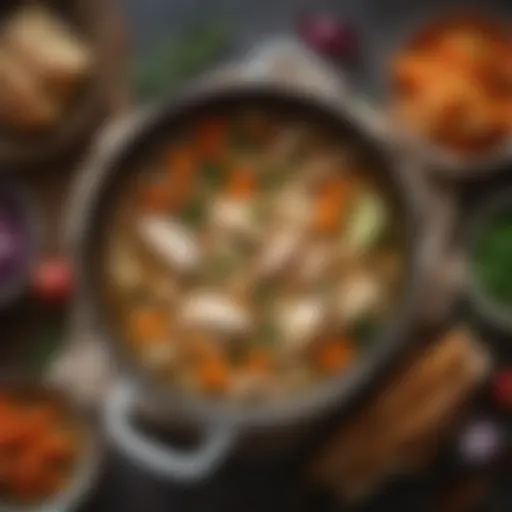
Venison stew is a meals which encapsulates the warm, hearty essence of traditional cooking. This dish stands out due to its ability to meld flavors over a slow and steady simmer. The marriage of tender venison chunks with vegetables creates a symphony of taste that resonates with comfort. It's a dish that invites an easy gathering around the table, showcasing how mail order venison can shine in a family setting.
The key characteristic of venison stew lies in its richness. The stew acts as a canvas, allowing spices and herbs to enhance the deep flavors of the meat. When it comes to cooking, one can effortlessly use vegetables like carrots, potatoes, and even wild mushrooms – easily sourced or too from the pantry. The slow cooking process breaks down the meat, ensuring it becomes melt-in-your-mouth tender.
One unique feature of venison stew is that it can easily adapt to accommodate seasonal ingredients. Overall, the advantages here are numerous; it’s a filling, nutritious option that makes great leftovers. However, if not seasoned properly or cooked for too long, it can run the risk of becoming bland, which might deter some from trying their hand at this dish stovetop or slow cooker.
Venison Chili
Venison chili offers another opportunity to indulge in this game meat while ensuring a burst of flavor in every bite. Known for its slightly sweeter yet robust flavor profile, venison lends itself beautifully to the rich and zesty spices of chili. When it combines with ingredients like tomatoes, onions, and beans, it crafts a dish that is aromatic and comforting.
The standout feature of venison chili is the layering of flavors. With ingredients like cumin and chili powder, paired with the gamy richness, this dish can certainly ignite the taste buds while filling the belly. It's a dish that’s relatively easy to whip up and becomes richer as it sits, making it perfect for reheating.
However, one must be careful about balancing the strong flavor of venison with the chili’s spice levels. If the spices are too overpowering, the natural flavor of the venison may get lost in the shuffle. Yet, overall, venison chili presents a great option for those looking to swap out ground beef for a leaner, more textured meat.
Innovative Preparations
Venison Tacos
Venturing into the innovative realm, venison tacos provide a fresh twist on a beloved classic. The versatility of a taco allows one to play with flavors and textures in a delightful culinary dance. When you swap regular ground meat for venison, it adds not just a richer flavor profile but also elevates the dining experience.
The intriguing part about venison tacos is how they can be tailored to individual palates. Whether you prefer spicy taco seasoning or a more subtle approach with fresh toppings, the adaptability here is endless. Top the tacos with fresh salsa, avocado, or a sprinkle of lime juice to brighten the robust flavors of the venison. In the end, what makes venison tacos advantageous is how they encourage experimentation in the kitchen while still adhering to quick meal prep.
On the flip side, one must consider that venison may require slightly different cooking times compared to traditional ground beef. Overcooking can lead to dryness, a trait often overlooked by novice cooks, resulting in a dish that may not live up to the expectations associated with tacos.
Venison Burgers
Last but not least, venison burgers have secured their place in the spotlight as a modern alternative to the classic beef burger. These succulent patties carry the unique flavor of venison while providing a leaner option than the traditional beef counterpart. This dish possesses the ability to attract food lovers seeking healthier options without sacrificing taste.
The essential characteristic here is juiciness, especially when the burgers are prepared correctly. Incorporating ingredients such as egg or breadcrumbs can help bind the meat and keep it moist while cooking. Venison burgers can be served on a range of buns, from traditional sesame to creative alternatives like lettuce wraps for low-carb enthusiasts.
However, it is crucial to navigate portion sizes and cooking techniques carefully. Undercooking may leave the meat tough and unappealing, while overcooking can dry out the patties. Proper seasoning is likewise vital—do not shy away from experimenting with different spices that complement the natural flavors.
In summary, whether you are looking for classic dishes or innovative preparations, cooking with mail order venison can blossom into diverse culinary experiences. Each recipe invites an exploration of flavors while emphasizing the nutritional and ethical facets of this game meat.
The Market for Mail Order Venison
The market for mail order venison is quite remarkable, acting as a bridge between culinary enthusiasts and sustainable protein sourcing. With the surge in awareness about health and nutrition, more people are seeking alternative protein sources, and venison has made itself a strong contender in this arena. It is not just about satisfying a culinary craving; it reflects a broader ethos of ethical consumption and environmental responsibility.
Consumer Demand
Demographics
The demographics of venison consumers are diverse but notably skewed towards health-conscious individuals. Young professionals and middle-aged consumers are often drawn to the low-fat content and rich nutritional profile of venison. This group tends to be well-educated, seeking not just a meal but an experience that aligns with their values—sustainability and quality being paramount.
A striking feature of this demographic is their willingness to pay a premium for ethically sourced venison. They often prioritize products that bear certifications or clear sourcing narratives. This approach does introduce a certain selectivity in the market; while this group is beneficial for driving demand, it may also limit the market’s reach to more traditional consumers who might still associate venison with hunting and less accessible sources.
Market Growth
The growth trajectory of the mail order venison market illustrates a vibrant increase, with a notable uptick during recent years. More specialty online retailers are entering the marketplace, expanding choices beyond local offerings. Statistically speaking, the market for venison saw a significant rise, particularly during the pandemic when people turned to online sourcing for their meals.
A key characteristic of this growth is the increasing trend of culinary experimentation among home cooks. More consumers are willing to try recipes featuring venison, and this has led to more restaurants incorporating it into their menus. The downside? This rapid growth can create supply chain strains, as not all suppliers are equipped to handle increased demand.
Challenges and Opportunities
Shipments and Logistics
Shipments and logistics play a critical role in the success of mail order venison. As the demand grows, so does the complexity of ensuring that products arrive safely and promptly. The perishable nature of venison needs specialized handling and refrigeration during transport. This characteristic makes logistics a significant hurdle for both established and upcoming vendors.
Successful vendors tend to establish robust systems that mitigate these issues, but this also adds layers of operational costs which can be passed on to the consumer. However, overcoming these logistical challenges presents an opportunity for companies to differentiate themselves through exceptional customer service and reliability, potentially fostering consumer loyalty in a crowded marketplace.
Regulatory Issues
Navigating regulatory issues is another challenge in the mail order venison market, influenced heavily by local laws governing the sale of game meat. These regulations can vary widely between states and countries, making compliance a tricky business for suppliers.
A key factor to consider is that some consumers feel more comfortable purchasing venison from vendors who are transparent about their sourcing practices and adhere to regulations. This vigilance can limit market opportunities for vendors who may not have the resources to comply fully with all legal parameters. Yet, organizations and vendors that successfully embrace these regulations can enhance their reputations and build trust with consumers, proving to be a long-term strategy for market adaptability.
In summary, understanding the market for mail order venison involves wrestling with its complexities—from consumer demographics and emerging growth patterns to logistical explorations and regulatory landscapes. As the interest continues to rise, both challenges and opportunities abound for those willing to participate in this growing sector.
Health Considerations
When talking about mail order venison, understanding health considerations can’t be overlooked. It’s not just about taste or sourcing methods, but how these factors impact our wellbeing. Choosing venison isn't always straightforward and involves evaluating potential allergens, as well as dietary preferences and restrictions. In this section, we’ll peel back the layers on these topics and offer some clarity.
Allergen Awareness
Common Allergens in Venison Products
Venison is generally a safe bet when it comes to allergens. Unlike beef or chicken, it’s less likely to trigger common allergies. However, it’s crucial to be aware that some venison products might contain added ingredients that could provoke allergies. For example, if a venison product is processed with dairy or gluten, those could become concerns.
The key characteristic of venison is its lean nature and the lower fat content compared to other meats, making it an attractive option for mindful eaters. One unique feature is how venison is often less likely to contain preservatives that some others meats do. This means potential allergens are minimized, often leading to cleaner protein choices.
Incorporating venison into diets could provide multiple advantages:
- Lower in calories and fat
- Rich in iron and other nutrients
However, scrutiny is still necessary, especially if you’re someone with specific food sensitivities.
Dietary Restrictions


Paleo Diet
The Paleo diet has gained traction as folks look for ways to return to more primal eating habits. This approach emphasizes whole, unprocessed foods similar to what our ancestors might have eaten. Venison fits the bill perfectly, being a natural, unprocessed protein source.
The key characteristic here is that it aligns with the principles of the diet by focusing on quality proteins and steering clear of grains and processed goods. One unique feature of the Paleo diet is the allowance for various meats, especially game, which tends to be nutrient-dense. Venison gives a solid punch of nutrients while adhering to the core values of the diet.
On the flip side, maintaining a strict Paleo diet can be challenging when dining out or accessing diverse food options. Not every meal can or will include venison, which can limit variety for enthusiasts of this diet.
Ketogenic Diet
Moving on to the ketogenic diet, which prioritizes low-carb and high-fat intake, venison offers unique advantages. It’s typically low in carbohydrates; thus, it slots neatly into Keto meal planning. This diet aims to switch the body’s primary energy source from carbohydrates to fats.
The key characteristic of the ketogenic diet is its emphasis on a high-fat content. Venison, being a lean meat, provides protein and can be paired with healthy fats like avocado or nuts to maintain the desired macronutrient ratios.
A notable unique feature of incorporating venison into a ketogenic lifestyle is its versatility in preparation. It can be prepared in ways to keep carbs at bay while still being flavorful. However, one must be cautious about sauces or sides that may introduce hidden sugars.
In summary, health considerations in the realm of mail order venison offer plenty of food for thought. From allergen awareness to dietary alignment, knowing these factors will surely guide culinary enthusiasts in making informed choices about their meat selection.
Sustainability of Venison
Sustainability plays a pivotal role in how we approach the consumption of venison. As consumers become increasingly aware of the impact that food sources have on the environment, the focus on sustainable practices becomes essential. This includes not only the way venison is sourced but also how it affects wildlife conservation and ecosystems.
The rise of mail order venison aligns with these sustainability goals. By connecting consumers directly with ethical sources, it promotes responsible consumption that both benefits individuals and preserves the environment for future generations.
Impact on Wildlife Populations
Conservation Efforts
Conservation efforts related to venison sourcing focus on maintaining healthy populations of deer while protecting their natural habitats. These efforts include habitat restoration, genetic diversity programs, and educational initiatives about sustainable hunting practices. Such measures not only help in conserving wildlife but also ensure that hunting remains a viable activity for future generations.
A key characteristic of conservation efforts is their proactive approach, emphasizing the importance of balance in ecosystems. For instance, enhanced management of deer populations through regulated hunting can help avoid overpopulation, which leads to habitat degradation. This creates a distinct advantage for enthusiasts and the environment alike, providing a clear path toward sustainability in hunting practices.
The unique feature of conservation initiatives is the collaboration between hunters, environmental organizations, and the government. By fostering cooperation among these stakeholders, conservation efforts also equip hunters with knowledge on ethical practices. However, some challenges persist, such as funding and varying regulations across regions. Nonetheless, the benefits often outweigh the disadvantages, showcasing how thoughtful practices can lead to a healthier ecosystem.
Regulated Hunting
Regulated hunting serves as a vital tool in ensuring that wildlife populations are managed effectively. Through licensing and quotas, governments enforce limits that help sustain deer populations while allowing hunters to enjoy this tradition responsibly. This controlled approach minimizes the chance of overhunting, ensuring that wildlife remains a part of the landscape.
A notable benefit of regulated hunting is how it fosters responsibility among hunters, transforming them into stewards of the environment. The thrill of the chase comes with an understanding that hunting must be done wisely, benefiting both the sport and nature. Regulations can vary significantly, which can complicate things, yet they provide the framework necessary for sustainable hunting.
Furthermore, the implementation of strict guidelines ensures the long-term viability of venison as a meat source. However, it does present challenges. Some hunters might find regulations cumbersome, and the varying laws can confuse novice hunters. Educating the public about the reasoning behind these regulations is crucial to ensure continued support for these efforts.
Environmental Footprint
Carbon Footprint
The carbon footprint associated with venison is considerably lower compared to many other protein sources, particularly beef. As deer are often harvested in vibrant ecosystems and processed locally, the overall transportation emissions tend to be minimized. This makes venison an appealing option for those looking to reduce their environmental impact.
A key characteristic worth noting is that wild deer thrive in their natural habitats without the carbon-laden feedlots common in commercial farming. By choosing mail order venison, consumers support systems that prioritize low-impact practices. However, while venison offers lower emissions, it is essential to consider the transportation involved when ordering from distant vendors, as that can negate some sustainability benefits.
One unique aspect of the carbon footprint discussion is how it varies by region. For instance, hunters in remote areas may have a negligible impact on carbon emissions when they harvest locally, contrasting with the emissions incurred by transporting meat across state lines. Recognizing these differences is fundamental in understanding the overall impact of venison consumption.
Resource Utilization
Resource utilization for venison can span several dimensions, including land use, water consumption, and food sources. In sustainable hunting practices, the goal is to optimize resources while minimizing waste. Wild deer typically require less intensive agricultural inputs compared to livestock raised in farming operations, making them a more resource-efficient meat choice.
This practice is beneficial, as it helps maintain natural habitats and ensures that the resources required to maintain supply chains remain minimal. However, it's essential to also consider the energy used in processing and transporting venison, which can vary based on vendor practices.
Notably, the idea of conservation through utilization means that as long as hunting occurs sustainably, natural resources are employed wisely. This, however, requires ongoing dialogue about sustainable practices and monitoring to ensure that hunting does not negatively impact the environment. Balancing resource use and environmental stewardship remains a challenge, but when done correctly, it lays the foundation for sustainable protein options in people’s diets.
Cultural Perspectives on Venison
Understanding the cultural perspectives surrounding venison demonstrates its significance beyond being a mere food item. It functions as a bridge linking communities through traditions. Cultural practices help shape how venison is prepared, shared, and even perceived in various societies. By delving into culinary traditions and social practices, we can see how the enjoyment of venison fosters community bonds and maintains culinary heritage.
Culinary Traditions
Regional Variations
Regional variations in venison dishes showcase a tapestry of cultural influences and local practices. Each region boasts its own methods of preparation, driven by local ingredients and historical contexts. For instance, venison is often incorporated into hearty stews in northern Europe, while in the southern United States, it might feature in spicy barbecue dishes. This diversity allows individuals from different locales to explore regional characteristics that tell unique stories about their culinary traditions.
One of the key benefits of these regional variations is that they highlight seasonal and local flavors, encouraging the use of ingredients found near one's home. Furthermore, these traditional preparations often reflect a sustainable aspect, advocating for a nose-to-tail approach in cooking.
However, the challenge remains in maintaining authenticity amidst modern recipes that sometimes stray from traditional preparations. Consumers may find it fascinating yet overwhelming to navigate the plethora of recipes reflecting various culinary heritages, but each variation contributes to the broader appreciation of venison.
Historical Significance
The historical significance of venison is deeply rooted in many cultures, often regarded as a prestigious protein source dating back centuries. Historically, venison has been associated with hunting traditions and survival, integral to the communities that relied on it for sustenance. In the past, the practice of wild game hunting was not only a means of food acquisition but also a symbol of social status, particularly among nobility in medieval Europe.
But its importance isn't confined to mere status. Venison represents resilience and adaptation, as communities have learned to respect local wildlife while creatively utilizing what nature provides. The unique feature of its historical significance lies in how cultures have revered venison, considering it a central element in historical feasting, rituals, and community gatherings.
Preserving these traditions highlights the interconnection between food, history, and identity but may seem distant for those unfamiliar with it. Still, understanding the historical context enriches the contemporary appreciation of venison.
Social Practices
Festivals and Gatherings
Venison often occupies a central place in festivals and communal gatherings, underlining its social importance. These events allow families and friends to converge, sharing not just food but also stories and traditions. For example, in regions like the Appalachian Mountains, deer hunting seasons are celebrated with local festivals, where communities showcase their culinary prowess through various venison dishes, from sausages to stews.
The unique aspect of such gatherings is the opportunity they provide for cultural exchange. Participants usually share recipes passed down through generations, enriching communal bonds. However, one potential downside may include the pressure to celebrate in an extravagant manner, which could detract from the community spirit intended. Settings like these reinforce the connection to nature while promoting sustainability in hunting practices.
Venison in Local Cuisines
Venison's role in local cuisines often transcends mere consumption; it becomes a lens through which one can learn about a culture's values and lifestyle. For instance, in Scandinavian countries, venison is often served in a way that emphasizes its natural flavors, often paired with seasonal vegetables cultivated locally. This presents a reflection of a community that values freshness and simplicity.
Moreover, incorporating venison into local fare caters to evolving consumer preferences for sustainable meats. While its availability may vary by region, the exploration of local dishes can inspire a positive inclination towards responsible sourcing. The unique feature here is how innovatively these local cuisines blend traditional practices with modern dietary preferences. Yet, this modernization might challenge traditional flavors, leading to some purists feeling disconnected from their roots.
Through these cultural lenses, venison proves itself to be more than food; it is a symbol of history, communal joy, and an avenue for sustainable practices.