Mastering Pineapple: Cutting Techniques and Tips

Intro
Pineapple, with its vibrant color and unique sweetness, is often seen as a tropical showstopper. Yet, many shy away from tackling this spiky fruit due to the daunting task of cutting it. Fear not! Haven’t you ever wondered about the best way to slice through that tough exterior and reveal the delicious flesh inside? The way you prepare pineapple can change everything, from taste to presentation. This guide will not only enhance your cutting skills but also empower you to enjoy pineapple in ways you might not have thought possible.
First off, let’s address the essentials. To handle pineapple like a pro, one must consider a few crucial aspects: knowing how to select the right fruit, understanding the tools needed, employing effective cutting techniques, and ultimately learning about how to store any leftovers. Mastering these elements ensures that you maximize both flavor and presentation when serving this delightful fruit, whether it’s for a casual snack or a luxurious dessert. Let's dive right in!
Preface to Pineapple Preparation
Pineapple, with its vibrant color and unique flavor, is not just a tropical delight; it’s an experience. The process of preparing pineapple deserves careful attention and respect, given that it can significantly enhance its overall enjoyment. Handling this fruit correctly not only maximizes its potential taste but also transforms the mundane act of eating into something quite special.
Understanding how to prepare pineapple involves a few key aspects. First and foremost is the knowledge of freshness. Choosing a ripe pineapple ensures that your culinary endeavor is not wasted on lackluster fruit. A juicy, perfectly ripe pineapple can elevate a dish and provide a burst of flavor that is simply unmatched.
Moreover, the tools you use matter greatly. An appropriate knife and cutting board can make the task at hand not only easier but also more enjoyable. With the right equipment, cutting a pineapple becomes a matter of finesse rather than a chore.
The techniques of cutting pineapple vary widely, from simply removing the exterior to more elaborate preparation methods that showcase the fruit's beauty. Each cutting method can serve different culinary purposes—whether it’s for decoration, ease of consumption, or integrating the fruit into various dishes.
Let’s delve deeper into the anatomy of the pineapple to enhance our understanding. Familiarizing oneself with the fruit’s structure and characteristics presents opportunities to utilize each part of it efficiently. This knowledge is not merely an academic interest; it has practical implications in ensuring minimal waste during preparation, which is beneficial for both cost and culinary creativity.
In summary, the journey into pineapple preparation combines the essence of freshness, the right tools, refined techniques, and an appreciation for the fruit itself. It’s a dialogue with the fruit that speaks to both the chef and the consumer, enhancing culinary skills and enriching experiences along the way.
Understanding the Anatomy of Pineapple
When it comes to tackling the preparation of pineapple, understanding its anatomy is paramount. Why, you ask? The beauty of this tropical fruit lies not just in its flavor but in its structure. Knowing the ins and outs can save time, reduce waste, and enhance the overall presentation of your dish, making every piece a delightful experience.
Exterior Characteristics
The exterior of a pineapple is the first thing that catches the eye and it tells a story of its ripeness and quality. Its rough, spiky skin is a shield, protecting the juicy sweetness inside. The surface is adorned with a series of diamond-shaped eyes, each one a small, separate fruit. When selecting a pineapple, a few key characteristics reveal its quality:
- Color: A ripe pineapple typically boasts a vibrant, golden-yellow hue. The greener the skin is, the less ripe it probably is.
- Texture: Gently squeeze the pineapple; a ripe one will yield slightly to pressure. If it's rock hard, it’s not ready yet.
- Smell: The base of the pineapple should give off a sweet, fragrant aroma. This aromatic hint is often a telltale sign of ripeness.
If you spot a fruit that ticks all these boxes, consider yourself lucky! It’s a good idea to spot these indicators before diving into cutting, ensuring you’ll get the best out of your tropical gem.
Interior Structure
Once the exterior is mastered, it’s time to venture inside. The interior structure of a pineapple is where the magic happens. Most people focus on the fresh, juicy flesh, but there’s more to discover here. The fruit's core is indeed edible but has a fibrous texture that some may find off-putting. Here’s how to navigate the inner workings:
- Flesh: This is the sweet, yellow-orange part that’s enjoyed by many. It’s soft and juicy, excelling when fresh and vibrant.
- Core: The core runs through the center of the fruit, and while edible, it is denser and more fibrous than the flesh. Many feel it’s best reserved for smoothies or cooked dishes where texture is less important.
- Juice: Pineapple juice is a beloved byproduct, packed with natural sweetness and vibrant flavor, often utilized in cocktails or marinades.
By familiarizing oneself with these internal elements, one can make informed decisions about how to cut and use the fruit effectively. Knowing which parts to prioritize can truly elevate your culinary experience with pineapple, helping showcase its versatility in sweet and savory dishes alike.
Understanding the anatomy of pineapple not only enriches your cutting skills but also enhances flavor profiles in your culinary adventures.
For those looking to delve deeper into the wonders of pineapple, consider checking out resources like Wikipedia or Britannica, which offer fascinating insights into this tropical delight's biology and more. The more you understand about what you are working with, the easier it becomes to bring out the best in your dishes.
Selecting the Right Pineapple
Choosing the perfect pineapple is more than just a matter of luck; it’s an art and a science. For anyone who’s spent time in the produce aisle, it’s clear that not all pineapples are created equal. Selecting a ripe, high-quality fruit ensures that your culinary endeavors won’t fall flat. A good pineapple can elevate a dish, while a less-than-stellar one simply won’t cut it.
When you opt for the right pineapple, you’re not just looking for something that looks pretty. A well-chosen pineapple boasts the ideal balance of sweetness and acidity. Once you know how to identify a top-notch pineapple, it not only enhances your recipes but also opens up a world of delightful flavor and texture.
Signs of Ripeness
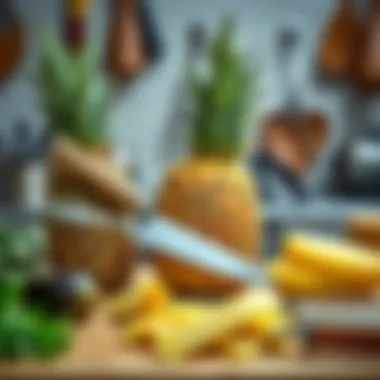
Recognizing a ripe pineapple doesn’t require a PhD, but a keen eye can certainly make a difference. Here are a few telltale signs that it’s time to toss one into your shopping cart:
- Color: A ripe pineapple typically has a bright, golden-yellow hue at its base. If it’s still predominantly green, it might need more time on the plant. Look for a uniform coloration, as this indicates proper ripening.
- Fragrance: The scent is a crucial indicator. A ripe pineapple should have a fragrant, sweet aroma wafting from its base. If there’s no scent, it’s likely not ready for consuming.
- Feel: Gently squeeze the pineapple. Ripe ones yield slightly to pressure, offering a gentle give. If it feels mushy, it may be overripe. Conversely, if it feels rock solid, it’s not ready yet.
- Crown: The leaves on the crown should be vibrant and green. If they’re brown and dry, this pineapple has seen better days. A fresh crown can indicate overall freshness as well.
"A pineapple is not just a fruit; it's a playful tease for your taste buds. Choosing the right one can make all the difference!"
Sourcing Quality Fruits
Now that you’re well-versed in spotting ripeness, let’s talk about sourcing your pineapples. Quality fruits come from reputable sources, which can have a significant impact on flavor and texture. Here are some tips for sourcing the crème de la crème:
- Local Markets: When possible, visit a local farmer’s market. These venues often feature produce that is fresher than what you'll find in large supermarkets. Plus, you might even get a chance to ask growers about their pineapple varieties!
- Organic Options: Organic pineapples may be a little pricier, but they often pack more flavor and are free from harmful pesticides. Many consumers claim they taste noticeably sweeter, so it might be worth your while.
- Seasonal Buying: Pineapples are typically in season year-round, but regional variations exist. Familiarizing yourself with local growing seasons can result in finding the best quality pineapples at peak ripeness.
- Check Reviews: Platforms like Reddit or Yelp can prove helpful in understanding where to buy quality pineapples locally. Real experiences from fellow consumers can guide you to the best spots in town.
In summary, the importance of selecting the right pineapple cannot be overstated. Paying attention to the signs of ripeness and sourcing your fruits thoughtfully equips you with the best chances for a delicious culinary experience. Whether you’re making a fruit salad or a tropical poke bowl, starting with a high-quality pineapple is half the battle won.
Tools Required for Cutting Pineapple
When it comes to cutting pineapple, having the right tools isn’t just a luxury—it’s a necessity. This section will shed light on the essential equipment needed to transform your pineapple into beautiful slices or chunks with minimum fuss. You could have the best pineapple out there, but without proper tools, cutting it can turn into a precarious struggle. Let’s take a closer look.
Essential Knives
The backbone of pineapple cutting is undoubtedly the knife you choose. A good knife can make the difference between a smooth, enjoyable experience and a battle against the tough outer skin.
- Chef's Knife: A standard chef's knife with a broad blade will often provide the best results. With a length of 8 to 10 inches, it has enough heft to slice through the harder exterior without much effort. Plus, its versatility means you can use it for various other fruit and vegetable tasks.
- Paring Knife: For more delicate work, such as peeling or removing the eyes of the fruit, a paring knife is ideal. It's smaller and allows for working in more confined spaces around the fruit’s core.
- Serrated Knife: While not always necessary, a serrated knife can be a handy tool especially for those with particularly ripe and soft pineapples. It grips the fruit well, allowing for clean cuts that wouldn’t crush the flesh.
Equipped with the right knife or two, you'll find that cutting your pineapple can feel more like slicing through butter than wrestling with a prickly enemy.
Cutting Boards and Safety
Using a stable cutting board is just as crucial as picking the right knife for the job. A flimsy board can slide around on your countertop, causing accidents that are better avoided.
- Material Choice: Opt for a wooden or sturdy plastic cutting board. Wooden boards provide a stable surface while being gentler on your knives. Plastic boards can be easier to clean but ensure they're robust enough to endure your chopping without bending or warping.
- Size Matters: A larger cutting board may offer more room to maneuver—especially when the pineapple pieces start piling up. Having adequate space helps prevent mishaps and ensures that you can work efficiently and neatly.
When it comes to safety, it’s essential to take precautions while cutting pineapple. The juicy flesh tends to be slippery, so having a non-slip cutting board can be a lifesaver. Pressing down firmly while slicing ensures the pineapple won’t go rolling off the board, which is a common hazard of cutting this tropical fruit.
Important Reminder: Always ensure your knives are sharp. A dull knife requires more force, increasing the risk of slipping and injuring yourself.
By investing in the right cutting tools and practicing safety, you’ll not only improve the ease of your pineapple prep, but also enhance the overall experience of enjoying this delicious fruit. Armed with the right knives and a robust board, you’re now ready to tackle the next steps of cutting pineapple with confidence.
Techniques for Cutting Pineapple
Understanding the techniques for cutting pineapple is crucial not only for efficiency but also for enhancing the overall experience of enjoying this tropical fruit. Proper cutting methods allow you to appreciate the fruit’s texture, flavor, and aesthetics. Each technique mentioned here comes with particular benefits and caters to specific culinary needs, making it indispensable to any home cook or culinary enthusiast.
Removing the Crown
Removing the crown of the pineapple is the first essential step in preparation. This is the spiky green top that can make handling the fruit a bit tricky. Start by holding the pineapple firmly on a cutting board. Use a sharp knife to slice off the crown just below the leaves. This not only opens up the fruit for further cutting but also creates a cleaner presentation.
It's important to execute this step carefully, as a dull knife can slip and lead to injuries. Besides, leaving the crown on can hinder the peeling process and the subsequent enjoyment of the pineapple. Each slice from the crown sets the stage for a seamless adventure in pineapple cutting.
Peeling the Pineapple
Peeing the pineapple properly does wonders for both taste and presentation. After removing the crown, you should place the pineapple upright. Working from top to bottom, carefully slice away the skin in diagonal strips to retain as much fruit as possible. The eyes of the pineapple, which are the small brown spots, can be stubborn if left attached, so take extra care to cut them out without losing too much flesh. Removing the skin efficiently ensures that you get to the juicy interior without any bitterness.
Some might choose to leave a little skin for aesthetics, but fully peeling it allows the vibrant yellow-orange flesh to shine through. The joy of a well-peeled pineapple cannot be overstated; it is the first glimpse of the delicious fruit that lies within.
Slicing Methods
When it comes to slicing the pineapple, the method you choose can dramatically affect the way the fruit is experienced. Here’s a brief overview of three popular slicing techniques:
Round Slices
Cutting the pineapple into round slices gives a classic look and is incredibly versatile. To achieve this, simply cut the pineapple into horizontal segments after peeling. This method highlights the fruit’s beautiful rings and showcases the different textures within each slice.
One of the key characteristics of round slices is that they are easy to serve, making them a popular choice for parties. They can be arranged on platters for a visually appealing display. Not to mention, round slices provide the perfect bite, making it easier to enjoy during social gatherings.
However, one potential downside is that this method does not accommodate varied serving styles like chunks. While round slices are aesthetically pleasing, they may limit how you can use the fruit in recipes, such as salads or stir-frys.
Chopping into Chunks
Chopping the pineapple into chunks is a practical choice, especially for recipes that call for bite-sized pieces. After peeling, simply slice the pineapple vertically into strips and then cut across to form cubes. This method is not only efficient, but it also makes for easy snacking or adding to salads.
The main advantage of chunks is their versatility; they can be easily incorporated into various dishes, from desserts to savory meals. However, a possible disadvantage is that you might miss out on the pineapple’s full aesthetic appeal since chunks tend to be less visually striking compared to round slices.
Creating Pineapple Spears
Creating spears from the pineapple combines the best of both worlds: visual appeal and practicality. After peeling, cut the pineapple in half, then slice each half into long sections. This method is fantastic for showing off the fruit's vibrant color while being easy to pick up and eat.
Spears work well for barbecues and fruit platters, providing a unique way to enjoy pineapple, especially when grilling. The drawback is that they may not suit all recipes, as some dishes may require different forms of pineapple. That said, it’s a fun and interactive way for family gatherings and parties.
In summary, the four techniques each offer a distinct advantage based on your culinary objectives. Whether you prioritize aesthetics or functionality, understanding these methods allows you to elevate your pineapple preparation to a new level.
Making the Most of Your Pineapple
Understanding how to maximize your pineapple can greatly enhance your culinary experiences. Pineapples are not just delicious; with the right methods, they can be a delightful addition to various dishes and snacks. This section dives into two important aspects: utilizing the core of the pineapple and exploring creative serving suggestions. By learning these techniques, you minimize waste and elevate your fruit-prepping skills.
Utilizing the Core
Many people tend to discard the core of the pineapple, believing it to be tough and flavorless. However, this part of the fruit holds its own unique potential. Rather than tossing it aside, consider these points about its value:
- Nutritional Benefits: The core is loaded with vitamins and minerals, including key nutrients like bromelain, which aids digestion. This is a boon for anyone looking to enhance their diet with beneficial compounds.
- Incorporating in Juices and Smoothies: Rather than throwing away the core, blend it into smoothies or juices. Its fibrous texture aids in making drinks thicker while providing additional fiber benefits.
- Using in Cooking: The core can be grated or sliced and added to sauces, marinades, or stir-fries. Its flavor can enrich dishes, adding a subtle sweetness that balances savory components.
When preparing your pineapple, take the time to trim and include the core in your dishes. It’s a small change that can yield big results in both taste and nourishment.
Creative Serving Suggestions
The presentation of food can often be just as important as its taste. Pineapple is no exception. Here are some eye-catching serving ideas that celebrate the fruit’s vibrant character:
- Pineapple Boats: After cutting your pineapple, consider hollowing out half (or a quarter) of the fruit. Fill it with a mixture of tropical fruits such as mango, kiwi, and berries. This not only looks appetizing but keeps each serving fresh and juicy.
- Pineapple Salad: Mix chopped pineapple with cucumbers, mint, and a splash of lime juice for a refreshing salad. The acidity of the lime enhances the pineapple's natural sweetness while adding a zesty kick.
- Grilled Pineapple Skewers: Cut the pineapple into chunks and thread them onto skewers, alternating with bell peppers and shrimp. Grill them on medium heat for a smoky flavor that’s simply irresistible.
- Dessert Parfaits: Layer pineapple chunks with yogurt and granola for a tasty dessert or breakfast option. The contrasting textures and flavors make for a delightful treat.
"Don't throw away what can be delicious. Embrace the pineapple core and let it surprise you!"
Exploring these serving suggestions can enhance your dining experiences and impress guests with your creativity. By focusing on both utilizing the core and presenting the fruit intentionally, you’ll ensure that every part of the pineapple is savored and appreciated.
Storage Techniques for Cut Pineapple
Understanding how to properly store cut pineapple is crucial for maintaining its flavor and texture. Fresh pineapple, once sliced, can lose its vibrancy and juiciness if not stored correctly. Whether you have leftover pineapple from a tropical feast or want to prepare some in advance for your smoothies or desserts, knowing how to manage your storage can save you time and reduce food waste. The right techniques will ensure you can enjoy that sweet, tart taste for days to come, making your culinary experience even more delightful.
Short-term Storage
When you've just sliced into a pineapple, the best immediate option is short-term storage. This method is about keeping the fresh fruit ready for quick snacking or immediate recipes. Here are the key pointers for this kind of storage:
- Refrigeration: After cutting, place your pineapple in an airtight container or tightly wrap it with plastic wrap. This prevents it from drying out and absorbing other odors in the fridge. Ideally, store it in the main compartment, not the crisper drawer, where humidity can be higher.
- Consume Quickly: Freshly cut pineapple generally tastes its best within 3 to 5 days. After that period, you might notice a decline in flavor and texture.
- Peaks of Freshness: To keep your cut pineapple at its peak, give it a quick visual check regularly; any signs of browning or fermentation mean it’s time to toss it out. Such checks are simple but critical.
Long-term Storage Methods
If you find yourself with an excess of cut pineapple or wish to prepare it for future use, long-term storage methods are your best bet. These options require a bit more effort but can expand the shelf life of your tropical treat. Here’s how:
- Freezing: Cut pineapple can be easily frozen. Here’s a step-by-step process:
- Canning: For those who want to preserve pineapple for an even longer duration, canning is a viable option, although it requires equipment and techniques specific to home preservation. You can find varied instructions suited to your desired sugar syrup or juice base on resources like USDA Canning Guidelines.
- Prepare: Place your cut pineapple pieces on a baking sheet, ensuring they are not touching. This prevents them from sticking together.
- Flash Freeze: Pop the baking sheet into the freezer for a couple of hours until the pieces are firm.
- Package: Transfer the frozen pineapple into freezer-safe bags or containers, removing as much air as possible before sealing.
- Label: Don’t forget to label with the date. Frozen pineapple can usually be stored for up to 6 months without significant loss of quality.
By adopting these storage techniques, you are not only enhancing the longevity of your cut pineapple but also ensuring that you retain its delightful flavor and nutrients for your culinary endeavors. Want to learn more about storing fruits effectively? Check out Britannica. With the right management, you can have that sweet taste at your fingertips whenever the craving strikes!
Nutritional Insights of Pineapple
When it comes to discussing the pineapple, most folks think of its sweet, tropical flavor, but its nutritional profile deserves just as much attention. Understanding the health benefits of pineapple not only enhances your culinary experience but also encourages a healthier lifestyle. This fruit is not just a tasty treat; it packs a punch when it comes to essential nutrients.
Health Benefits
Pineapple is often heralded for its rich vitamin C content, which plays a crucial role in boosting the immune system. One average-sized pineapple can provide you with over 100% of your daily vitamin C needs! Besides that, it’s a good source of manganese, which is vital for metabolism and bone development. Pineapple also contains bromelain, a unique enzyme that may assist in digestion and can even aid in reducing inflammation. To put it simply, pineapple is a diverse nutrient powerhouse that promotes overall health.
- Boosts Immunity: Thanks to its high vitamin C levels.
- Supports Digestion: Bromelain helps break down proteins, making it easier for the body to absorb nutrients.
- Anti-Inflammatory: May help alleviate swelling and pain, especially in conditions like arthritis.
- Rich in Antioxidants: Protects the body from oxidative stress, which can lead to chronic diseases.
It’s fascinating to note that the bromelain found in pineapple works harmoniously with other foods in your meal.
"Eating pineapple can give your body a natural boost, not just a momentary pleasure!"
Incorporating Pineapple into Diet
Now that we’ve covered why pineapple is so beneficial, let’s dive into practical ways to add this delightful fruit into your daily meals. No need to go overboard; small changes can yield significant results over time.
- Smoothies: Toss a few chunks into your morning smoothie. Pineapple adds a sweetness that pairs well with spinach and protein powder.
- Fruit Salads: Mix pineapple with other fruits like kiwi and strawberries for a refreshing fruit salad. Added bonus? The diverse textures and flavors keep things interesting.
- Salsas: Diced pineapple can elevate your salsa game. Mix it with tomatoes, onions, peppers, and cilantro to create a vibrant topping for tacos or grilled fish.
- Marinades: Use pineapple juice as a base for marinades. The acidity helps tenderize meats while injecting a delightful flavor, just like the way a cook would do it in Caribbean dishes.
- Snacks: Grab fresh pineapple pieces for a quick, nutritious snack. Cut them into bite-sized cubes to make them more appealing for kids and adults alike.
Exploring different ways to incorporate pineapple can be a delicious journey, and considering its health benefits makes this exploration all the more valuable. Whether you’re whipping up a dish or simply enjoying it fresh, pineapple can play a pivotal role in elevating both your meals and your well-being.
Finale
The importance of understanding these elements lies in the benefits they bring—not only in terms of culinary satisfaction but also in enhancing the overall experience of enjoying pineapple. For food lovers of all ages, having the know-how to select the ripest fruit and prepare it with precision can greatly elevate their cooking.
An effective cutting technique not only showcases the pineapple's vibrant color and texture but also impacts the flavor experience. Biting into well-cut pieces is often more enjoyable than wrestling with awkward chunks.
Additionally, knowing how to store cut pineapple ensures that this tropical treasure remains fresh and ready to use, minimizing waste and maximizing enjoyment.
Here are some specific takeaways to consider:
- Selection of Pineapple: Choose a ripe pineapple; this is crucial for optimal flavor. Keep an eye out for evenly colored skin and a pleasantly sweet aroma.
- Cutting Techniques: Mastering various techniques like creating rings or spears enhances both presentation and ease of consumption.
- Storage Knowledge: Learning the best storage methods keeps your pineapple fresh longer, making it a convenient snack or ingredient for future dishes.
Ultimately, this guide serves as a stepping stone for those eager to master the art of pineapple preparation. From the initial selection to the last bite, each aspect contributes to a delightful culinary experience.
"The culinary arts are not just about the food; they are about the joy of creation, presentation, and experience."
For more information, you can visit resources like Wikipedia or explore discussions on Reddit where home cooks share their tips and techniques.