Crafting Sugar Water for Hummingbirds: A Complete Guide
Intro
Crafting the perfect sugar water for hummingbirds might seem simple at a glance, but there’s an underlying art to getting it right. These tiny, vibrant creatures depend on a diet that predominantly includes nectar, and by providing them with a homemade sugar solution, you can significantly assist in their dietary needs. The beauty lies not just in the formula, but in understanding the intricate details of their requirements, relationships with the environment, and how your feeding practices can align with these aspects.
Why is sugar water so crucial? Hummingbirds have high metabolism; they need to consume an astonishing amount of sugar to sustain their energy levels. Thus, this guide will navigate you through the essential components of creating an optimal sugar mixture, preparing it correctly, and ensuring that you can offer these lovely birds a refreshing, nutritious drink throughout the seasons.
Understanding Hummingbirds
Understanding hummingbirds is crucial for creating an optimal feeding experience. These remarkable creatures are not just visually striking; they play an essential role in ecosystems as pollinators. Learning about their behavior, habitat, and dietary needs can help keep them nourished and thriving. When you know what makes hummingbirds tick, you can craft sugar water that meets their energetic demands, ensuring you attract, feed, and support these avian wonders effectively.
Overview of Hummingbird Species
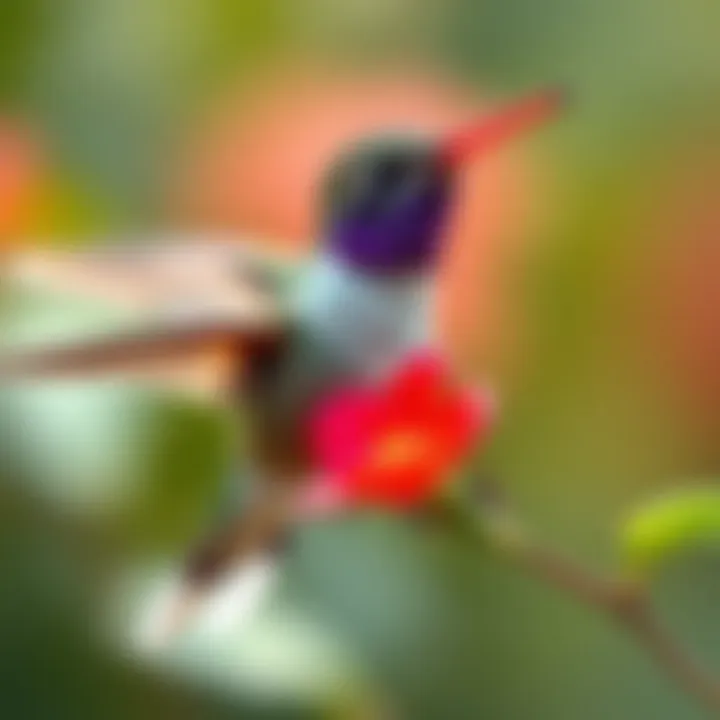
There are over 300 species of hummingbirds. Each species has distinct traits and behaviors. For instance, the Ruby-throated Hummingbird, predominantly found in North America, is known for its vibrant plumage and migratory patterns. Other species include the Anna’s Hummingbird, largely located in the western U.S., and the Black-chinned Hummingbird, common in the southwestern regions.
Each species showcases unique feeding habits. While most hummingbirds rely primarily on nectar, the specific flowers they visit can vary significantly. Some prefer tubular-shaped blooms, as they match their feeding technique. Understanding these aspects can enhance your approach to creating a welcoming environment for these birds.
"A hummingbird’s metabolism is so high, they must consume up to twice their body weight in nectar daily to stay energized."
Dietary Requirements of Hummingbirds
Hummingbirds have specialized dietary needs, primarily consuming nectar for carbohydrates and insects for proteins and other nutrients. When crafting sugar water, it is vital to replicate their natural diet as closely as possible.
- Nectar Composition: Natural nectar contains water, sugar, and various micro-nutrients. The dominant sugars include sucrose, fructose, and glucose; hence, using white granulated sugar is ideal for creating sugar water.
- Proper Ratios: The traditional recipe for hummingbird sugar water is a mixture of four parts water to one part sugar. This ratio mimics the sweetness consistent with natural nectar. However, adjusting this mixture may be necessary based on the season and the specific species visiting your feeder.
- Importance of Protein: While sugar is their primary energy source, insects and spiders provide the required proteins. This part of their diet helps in muscle development and egg production in females. To cater to this requirement, provide a range of feeders that also supply insects alongside sugar water.
The richer and more balanced the food supply, the healthier the birds will be, contributing to their overall well-being and flourishing population in your vicinity. Understanding these dietary habits lays the foundation for successful hummingbird feeding.
The Role of Sugar Water
Hummingbirds are remarkable creatures, dazzling observers with their rapid movements and vivid colors. However, their vibrant behavior is not solely for show; it relies profoundly on the right source of energy, which is where sugar water comes into play. By understanding the role of sugar water in their diet, we can provide these enchanting birds with the sustenance they need.
Importance of Sugar as an Energy Source
To put it simply, hummingbirds lead an energetic lifestyle. They flap their wings about 50 times per second, which consumes a significant amount of energy. Imagine trying to maintain that pace after a long day; a little fuel goes a long way. To keep up, these small birds require a high-energy diet primarily made up of nectar, which is rich in sugars.
Studies have shown that sugar water mimics the natural nectar found in flowers, providing essential carbohydrates. When we prepare sugar water, we're not just filling a feeder—we're offering a vital energy source that sustains their needs. In doing so, we support their active lifestyle, enhance their ability to forage, and ultimately help in their survival. A blend of one part sugar to four parts water is generally recommended, as this ratio closely matches that of their natural nectar sources.
Comparison with Natural Nectar
When observing hummingbirds, the delightful colors of flowers attract them, but it’s the nectar they seek. Natural nectar varies in sugar concentration depending on the flower, weather conditions, and geographical region. Understanding this variability is crucial when considering sugar water as a substitute.
While sugar water provides necessary energy, it lacks some of the additional nutrients naturally found in floral nectar, such as amino acids, vitamins, and minerals. Thus, it's advisable to use sugar water as a supplemental source rather than a complete replacement.
"Natural nectar is a buffet of nutrients that sugar water can't entirely replicate, yet it still serves as a worthy energy source."
To maximize the benefits, consider blending natural food sources with your sugar water, leaving some flowers intact in your garden for a more balanced diet. This approach not only aids in the birds' energy replenishment but also favors their natural foraging instincts.
For further reading about the dietary needs of hummingbirds, check out resources like Britannica and Wikipedia.
Preparing Sugar Water
Crafting sugar water for hummingbirds is an essential practice for those who admire these vibrant creatures. It lays the groundwork for understanding their dietary preferences and supporting their delightful presence in your garden. The process is not just about getting the ratios right but also involves appreciating the nuanced needs of hummingbirds as they depend heavily on sugar as a primary energy source. A well-prepared mix can entice these tiny fliers, ensuring they thrive while visiting your feeders.
Choosing the Right Sugar


When selecting sugar, the rule of thumb is to stick with plain white granulated sugar. It’s a simple yet crucial choice. Other types of sugar, like brown sugar or powdered sugar, come with additives or moisture that can be harmful to hummingbirds. These additives can lead to digestive troubles for the birds, and trapped moisture can promote mold growth, which introduces additional health risks.
So, what about organic sugar? While it sounds more appealing, it’s still not advised for use. Sometimes the processing methods and refining can lead to impurities. Keeping it straightforward and utilizing standard white sugar keeps the mix pure. To sum it up:
- Granulated Sugar: The best choice. Clean and efficient.
- Avoid Alternatives: Brown sugar, powdered sugar, and artificial sweeteners can create complications.
Optimal Sugar-to-Water Ratios
Understanding the right sugar-to-water ratio is fundamental to providing the best and most energy-dense mixture for hummingbirds. Generally, a ratio of one part sugar to four parts water is seen as optimal. This mimics the natural nectar they seek while foraging from flowers. For instance, if you opt for one cup of sugar, you'll mix it with four cups of water.
The dilution shouldn't be too weak or too strong. A blend that's too weak won't give the necessary energy, while one that's too thick might lead to health issues for the birds. Remember, your goal is to recreate a close semblance to the natural food sources that these creatures thrive on.
Step-by-Step Preparation Process
Creating sugar water is straightforward and can be done in a few easy steps:
- Gather Your Ingredients: Get granulated sugar and tap water.
- Measure Properly: According to the ratio, if you have one cup of sugar, measure out four cups of water.
- Combine: In a pot, combine the sugar with water. Heat the mixture on medium. Stir it occasionally until the sugar completely dissolves. Nobody wants gritty sugar water!
- Cool Down: Once the mixture is dissolved, remove it from the heat source and allow it to cool completely.
- Store Properly: Pour the cooled mixture into a clean feeder. Store any leftover sugar water in a clean, airtight container in the fridge. It can last for about a week.
- Clean Equipment: Ensure that all equipment is cleaned properly before and after each use to minimize any risk of diseases.
Keeping your feeders hygienic ensures that the birds remain healthy, contributing to their overall well-being.
By following these essential steps and considerations for preparing sugar water, you not only enhance the feeding experience for hummingbirds but also support their vital role in our ecosystem.
For more information about hummingbird care, consider resources like National Wildlife Federation or Cornell Lab of Ornithology.
Serving Sugar Water
The way you serve sugar water to hummingbirds plays a crucial role in attracting these vibrant creatures to your garden. It’s not just about putting out any old feeder and hoping for the best. Thoughtful serving ensures that the birds remain nourished and healthy, while also allowing you to enjoy their fascinating presence. A well-operated feeding setup encourages frequent visits and provides a dependable energy source for them.
Selecting Suitable Feeders
Choosing the right feeder is not just a matter of aesthetics; it directly affects how much sugar water the birds can access. The feeder design should allow for easy access and reduce waste, ensuring that hummingbirds do not struggle to drink.
- Types of Feeders: Look for feeders that feature built-in ant moats, which prevent these pests from contaminating the sugar water. Moreover, hummingbird feeders with multiple feeding ports can accommodate several birds at once, reducing the chance of territorial disputes.
- Materials and Size: Opting for glass or sturdy plastic versions with a wider base not only increases durability but also fosters easier cleaning, a key aspect noted further below.
Encouraging hummingbirds to visit will mean having the right type of feeder, one that offers not only usability but comfort to the birds.
Proper Feeder Maintenance
To keep the hummingbirds coming back, it's essential to maintain a clean environment for them. Maintaining your feeder also means providing a healthy habitat that imitates their natural surroundings to a degree.
Cleaning Frequency
The lifespan of sugar water in feeders can be quite short, especially during warmer months. Ideally, feeders should be cleaned every three to five days to prevent harmful bacterial growth or mold.
- Key Characteristic: Swift cleaning helps ensure that the sugar water maintains its freshness and remains a safe food source for the birds.
- Reason for Popularity: Adhering to this frequency is not merely a suggestion; it's often considered the gold standard for hummingbird care. Proper cleaning mitigates risks of diseases and ensures that your birds get the maximum energy they need from your homemade sugar water.
Preventing Mold Growth
Mold can sneak into feeders if not monitored, leading to health issues for the hummingbirds. To avoid this, both the design of the feeder and the sugar water preparation matter.
- Special Feature: Consider feeders that have wide mouths, as they are easier to clean and less likely to trap moisture, which is a breeding ground for mold.
- Benefits: Addressing mold growth is an essential practice; doing so keeps both the birds healthy and your feeding regimen intact. Ensuring a clean feeder aids the birds in getting a reliable source of sugar water, circumventing potential health hazards that can put their survival at risk.
“Proper care and serving techniques make a world of difference in supporting these beautiful birds effectively.”
Successful hummingbird feeding is a blend of the right feeder choice, routine cleaning, and being proactive against mold. Small changes in your methods can result in thriving hummingbirds and a more enjoyable experience for all. By maintaining a feeding station that is clean and well-suited to their habits, you foster an environment that supports these exquisite creatures and attracts their delightful presence to your garden.
Seasonal Considerations
Understanding the seasonal dynamics is vital for effective hummingbird feeding. Different seasons can impact not only the availability of flowers and natural nectar but also the behavior and energy needs of these small birds. Being attuned to these changes ensures that you provide appropriate sustenance when the little creatures rely on you the most.
Adjusting Sugar Water Ratios
As temperatures fluctuate with the seasons, so should your sugar water mixture. In spring and summer, when flowers bloom prolifically and nectar is abundant, you can maintain a sweeter ratio, typically around 1 part sugar to 4 parts water. However, during fall and winter when natural nectar diminishes, a 1:3 ratio might be more beneficial. This offers a concentrated energy source to help hummingbirds sustain their energy levels, especially as they prepare for migration.
Here’s a quick reference for adjusting your ratios:
- Spring/Summer: 1:4 sugar to water
- Fall: 1:3 sugar to water
- Winter: Consider a stronger mix, perhaps 1:2 for hummingbirds that remain year-round in milder climates.
By altering the concentration of your sugar solution based on the time of year, you can help fulfill the birds' needs more effectively.
Timing and Duration for Feeding
Timing plays a crucial role in hummingbird feeding practices. Generally, these birds are most active during the warmer parts of the day, often peaking around mid-morning and late afternoon. As a rule of thumb, sugar water should be available during these prime hours. You might find that placing feeders in shaded areas during hot summer days keeps the solution from spoiling quickly, hence maintaining its appeal.
When it comes to duration, think about the seasonal migration patterns. During migration season, between late summer and early fall, ensure feeders are stocked continuously, as these birds may not find adequate natural sources. Conversely, once winter sets in and temperatures drop, consider reviewing the frequency of your refills. The cooler conditions help slow spoilage, but it’s still vital to check feeders regularly for freshness.
“Being consistent and timely in your feeding practices can create an inviting environment for these mesmerizing birds, fostering trust and encouraging them to return to your yard."
These simple adaptations based on seasonal shifts can make a profound difference, enhancing the experience for hummingbirds and allowing you to enjoy their presence more fully.
In summary, adjusting sugar water ratios and timing your feeding practices with the seasons demonstrates a commitment to supporting these incredible creatures. Keeping an eye on the weather and being responsive to their needs not just benefits the birds but also enhances your experience in witnessing their beauty.
Storage Practices
The topic of storage practices is crucial not only for preserving the quality of the sugar water but also for ensuring the health and safety of the hummingbirds. Proper storage helps maintain the effectiveness of the sugar solution, so it remains a reliable energy source for these birds. When you think about it, even the tiniest details - from the container you choose to how long you keep it - can have a significant impact.
Choosing the right storage containers and being mindful of the duration and conditions under which you store the sugar water will help you avoid common pitfalls. A carefully considered approach can make all the difference.
Best Storage Containers
When it comes to selecting storage containers, clarity and cleanliness are key.
- Glass Jars: Clear glass jars, like mason jars, are fantastic options as they are non-reactive and easy to clean. The transparency allows for easy monitoring of the sugar water's state, which is vital for spotting any signs of spoilage.
- Plastic Bottles: While some plastic containers are acceptable, ensure they are BPA-free. The last thing you want is any toxins leaching into the sugar water. However, avoid using transparent plastic as it may allow harmful UV light exposure.
- Coolers or Thermoses: Insulated containers can help maintain the sugar water’s temperature. This is especially important in warmer climates where heat can promote fermentation or spoilage.
Ultimately, the container must be well-sealed to prevent any contamination and keep out any unwelcome pests. Look for containers that can be tightly sealed but are still easy to open for refilling or cleaning.
Storage Duration and Conditions
Storage duration is a balancing act. Sugar water does not have an indefinite lifespan; it can spoil just like any food product. Ideally, fresh sugar water should be used within a week of preparation. If the sugar solution is stored in optimal conditions, it can be stretched to two weeks, but there are some caveats.
- Refrigeration: Keeping your sugar water in the fridge can help extend its life. A cooler environment slows down microbial growth.
- Room Temperature: If you store sugar water at room temperature, ensure it's in a dark, cool place. Avoid spots near windows where sunlight can heat the solution and promote bacteria.
- Signs of Spoilage: Always check for cloudiness, odd smells, or the presence of mold. If anything seems off, it’s best to discard the sugar water and prepare a fresh batch.
"While it’s easy to whip up sugar water, knowing how to store it properly is half the battle in ensuring the well-being of these remarkable birds."
Adopting the right storage practices not only helps preserve the sugar water quality but also aligns with responsible feeding habits. Maintaining an optimal environment ensures that the hummingbirds you seek to feed receive the nourishment they need without risking their health.
Ethical Hummingbird Feeding
When it comes to feeding hummingbirds, ethical practices take center stage. Feeding these vibrant creatures is not merely an act of kindness; it carries responsibilities that can significantly affect their well-being and the surrounding ecosystem. A thoughtful approach ensures that our actions support rather than disrupt their natural behaviors and habitats. It's vital to uphold an awareness of the implications that feeding has on these delicate birds, influencing not only their lives but the environment they inhabit.
Minimizing Impact on Natural Diet
Hummingbirds primarily thrive on nectar, their bodies honed to extract energy from the sweet liquid offered by various blooms. Therefore, when humans introduce sugar water into their diets, one should aim to minimize interference with their natural feeding habits. Here are a few considerations:
- Understand Natural Preferences: Providing sugar water shouldn't replace their access to flowers. Flowers that produce natural nectar not only nourish them but also play a role in pollination, which is critical for biodiversity.
- Feed Selectively: Choose locations for feeders that do not eliminate wildflower habitats. Aim for areas rich in native plants that these birds prefer. This helps maintain their innate foraging instincts.
- Keep Feeders Clean: A dirty feeder can harbor harmful bacteria affecting the birds’ health. Regular cleaning promotes their safety and ensures sugar water remains a supplementary offering rather than the sole source of sustenance.
"An ethical feeder is not just a provider of nectar, but a guardian of a bird's natural world."
Promoting Biodiversity and Habitat Preservation
Ethical hummingbird feeding extends beyond just their diet; it is a commitment to the broader ecosystem. Here are ways in which feeding practices can promote biodiversity and preserve habitats:
- Support Native Flora: By planting native flowers in your garden, you create a rich source of natural food, enhancing the environment for hummingbirds and other pollinators. Native plants are adapted to local conditions and support integral food webs.
- Create a Balanced Habitat: Set up your garden with a mix of flowers, shrubs, and trees that attract not only hummingbirds but also other wildlife. This diversity can help in sustaining a balanced ecosystem, encouraging various species of insects and animals.
- Be Environmentally Conscious: Consider the materials used in feeders and gardening. Opt for sustainable practices and materials that support environmental integrity. Avoid plastic and choose glass or metal for feeders.
Fostering a harmonious space for hummingbirds isn't just about food. It's about ensuring that these gorgeous creatures thrive within a setting rich in life and diversity, helping to preserve the delicate balance of nature.
In sum, ethical hummingbird feeding is about maintaining a careful balance—supporting their needs while ensuring a stable ecosystem for all creatures involved.
Common Mistakes in Feeding
Feeding hummingbirds might seem simple enough, but a few common missteps can lead to undesired outcomes, whether for the birds' health or your enjoyment in watching them. Understanding these mistakes is crucial for ensuring that you are providing a safe and effective feeding station. When you’re aware of potential pitfalls, you enhance the overall experience not just for yourself but also for your feathered visitors.
Inappropriate Sugar Types
One significant blunder many make is choosing the wrong type of sugar. While it may sound trivial, not all sugars are created equal in the eyes of a hummingbird. Opting for natural sugars like cane sugar is vital, but many may gravitate to alternatives such as brown sugar, honey, or artificial sweeteners. These choices can have detrimental effects. For example, honey can ferment quickly and lead to dangerous bacterial growth, which is toxic to hummingbirds.
- Brown Sugar: Although it may be perceived as a less refined option, it contains molasses, which can attract unwanted insects and may not break down in the same manner as white sugar.
- Artificial Sweeteners: These can confuse a hummingbird’s digestive system. They do not offer the energy they seek, which could lead to starvation.
- Raw or Unrefined Sugars: These can also pose problems because their natural impurities could be harmful to the birds.
The best practice is simple: stick to granulated white sugar. It dissolves easily and closely resembles the natural nectar hummingbirds would seek in the wild.
Improper Ratios and Quantities
Beyond the sugar type, the ratios and quantities used for sugar water preparation are critical points on this feeding spectrum. Many enthusiasts often err by not adhering to the recommended sugar-to-water ratio, which is usually about one part sugar to four parts water.
Using too little sugar may weaken the solution, depriving these high-metabolism birds of the energy required for their activities. Conversely, too much sugar can lead to a syrup so thick it could disrupt their feeding habits, affecting their health negatively. Some key considerations include:
- Too Weak of a Solution: A weak mixture can result in dehydrated and undernourished birds, as they may not receive sufficient caloric intake to sustain their energy levels.
- Excessively Strong Solution: This can lead to sugar crystals forming at the bottom of feeders, posing a risk of gum up their tiny tongues as they feed.
- Adjusting for Seasonal Changes: Understanding to alter these ratios with the changing seasons is also crucial, ensuring a balance that meets the birds' needs effectively.
"A hummingbird's energy demands place them amongst the most dynamic creatures on the planet. Getting the ratios right gives them the fuel they need to thrive."
Rationing can seem straightforward, but keeping an eye on what you're serving can make all the difference. Ensuring you’re providing the right concentration can impact not only the lifespan of your feeder but also the general well-being of the birds visiting each day.
Closure
Creating sugar water for hummingbirds is more than just a simple task; it’s an art that fosters the delicate balance between providing sustenance and respecting nature. This guide has provided insights into the essential aspects of crafting the perfect mixture, from understanding the specific sugar content hummingbirds require to the careful preparation techniques that ensure the health of these vibrant creatures. Each element discussed in this article—from the ratios of sugar to water to the types of feeders—highlights the need for informed decision-making that respects both the birds’ dietary needs and their natural environment.
Recap of Key Takeaways
- Sugar Type Matters: Only white granulated sugar should be used, as alternatives can harm their health.
- Optimal Ratios: Stick to the basic 1:4 sugar-to-water ratio for the best nutrition.
- Freshness is Key: Always prepare fresh syrup every few days, especially during warmer months.
- Feeder Maintenance: Clean feeders regularly to prevent mold and ensure a safe feeding environment.
- Seasonal Adjustments: Be aware of how the ratios might need to change with the seasons to meet changing bird needs.
- Respect Wildlife: Avoid disrupting the natural habitat of hummingbirds by offering sugar water responsibly.
This overview encapsulates the highlights of creating a thriving hummingbird-friendly environment in your yard. When done thoughtfully, feeding these magnificent birds becomes an enriching experience, linking us closer to the wonders of nature.
Encouraging Responsible Practices
As stewards of wildlife, it’s paramount to approach hummingbird feeding with a mindset of responsibility.
- Avoid Over-Reliance on Sugar Water: While sugar water is beneficial, it's important to recognize that hummingbirds feed on a variety of natural sources, including nectar from flowers and insects. By planting diverse native plants, we can encourage these birds to maintain a balanced diet and support their natural foraging behaviors.
- Monitor for Attracting Pests: Regularly check for any unwanted visitors to your feeders, like ants or bees. Maintaining a clean feeding environment is not only crucial for the birds but also for preventing complications associated with attracting these creatures.
"Nurturing the delicate balance of nature ensures that we can enjoy our tiny feathered friends for many seasons to come."
- Engage in Local Conservation Efforts: Join community gardening programs or local wildlife organizations to promote biodiversity and habitat preservation in your area.
- Educational Sharing: As you learn more, share your knowledge with others. Whether through social media or community discussions, spreading awareness about proper practices can create a collective effort to protect and sustain hummingbird populations.
By adopting these responsible practices, you not only nurture the hummingbirds that visit your feeder, but also contribute to the health of the ecosystem as a whole. It’s about fostering a relationship that respects the intricate web of life we are all part of.