Crafting Perfect Sugar Syrup for Boba Tea
Intro
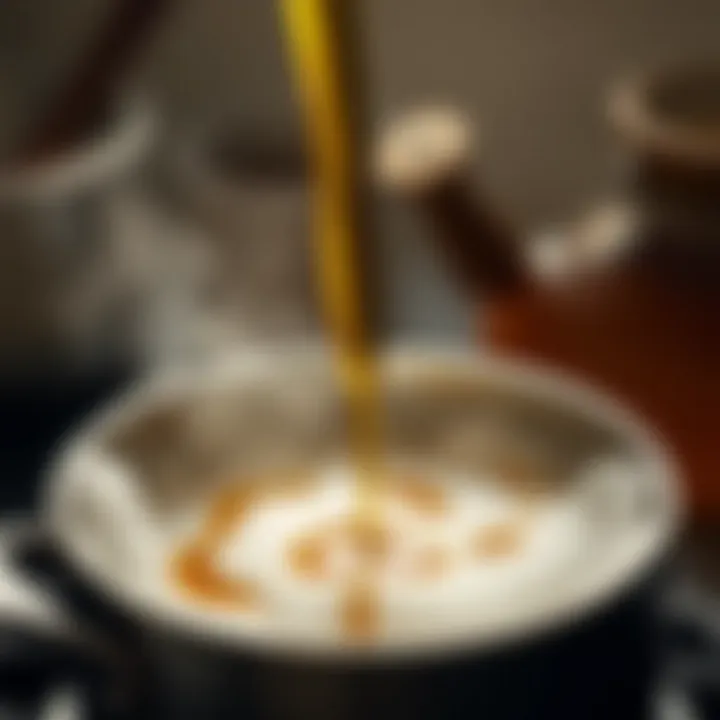
Sugar syrup is the bedrock of every great boba tea. This sweet concoction not only elevates the flavor profile of the drink but also plays a pivotal role in achieving the desired texture. While many may think that store-bought options are sufficient, there's an unmatched artistry that comes with crafting homemade sugar syrup. By learning the intricacies of this process, culinary enthusiasts can unlock the true potential of their boba creations.
The preparation of sugar syrup is not merely a cooking task; it encompasses a blend of chemistry and creativity. Getting the right balance of sweetness can transform a mediocre boba tea into an exquisite beverage. In this article, we will explore the nuanced methods of sugar syrup preparation, different types of syrup that can enhance your boba experience, and common pitfalls to avoid when making your syrup at home.
By immersing yourself in understanding the essence of sugar syrup, you’ll be better equipped to craft flavorful drinks that can be enjoyed anytime. Whether you are a casual sipper or a serious boba aficionado, this guide promises to illuminate the path to syrup mastery.
Prelude to Sugar Syrup
In the intricate world of boba tea, sugar syrup plays a pivotal role that goes far beyond mere sweetness. It is the unseen thread that binds the elements of texture and flavor, creating a tapestry of culinary artistry. When properly harnessed, sugar syrup becomes not just an ingredient but a cornerstone that elevates the entire boba experience.
Sugar syrup is not just a sweetener. It's the baseline for adjusting overall taste and enhancing the boba tea's character. For many who enjoy the beverage, the syrup is what can make or break the drink. If you’ve ever savored a well-made boba tea, you might have noticed how the syrup seamlessly merges with the tapioca pearls, enhancing their chewiness while imparting a delightful sweetness. This crucial interplay is what we'll explore further, as it serves to anchor the various components of this beloved drink.
Historical Context of Boba Tea
Boba tea, often called bubble tea, has its roots deep within Taiwanese culture. Legends suggest that it all began in the 1980s when tea houses in Taiwan sought to innovate their offerings. Initially, tapioca pearls were added to sweet tea or milk tea, leading to the product we know today. As boba tea gained traction, so did the use of sugar syrup as a crucial component.
The historical significance of sugar syrup traces its lineage back to this initial creativity, representing a shift towards a palette that craved sweeter variations of traditional teas. In this sense, sugar syrup is not merely an additive; it represents a culinary transformation that mirrors societal changes, such as globalization and evolving taste preferences.
The Importance of Sugar Syrup in Boba
The art of making boba tea hinges on achieving the right balance of flavors. Sugar syrup holds the key to this equilibrium. Its importance cannot be overstated; after all, a poorly prepared syrup can overshadow the delicate taste of tea and the rich texture of the boba itself.
When we talk about sugar syrup in boba, several factors come into play:
- Variety: Different types of sugar, such as brown sugar or cane sugar, yield unique flavors, and each can enhance the boba in its own right.
- Texture: The thickness of the syrup impacts how it interacts with the tea and tapioca pearls, influencing the overall mouthfeel.
- Customization: Sugar syrup allows for endless possibilities in personalizing drinks, empowering users to cater to their sweetness preference.
Ultimately, sugar syrup is the hidden elixir that can transform a simple drink into a delightful experience, one sip at a time. Understanding its significance helps one to appreciate not just the flavors but also the cultural tapestry that defines boba tea.
"In every drop of syrup lies the legacy of a beverage that has captured hearts and taste buds worldwide."
Understanding Sugar Syrup
In the world of boba tea, understanding sugar syrup isn’t just an optional side note; it’s the very heartbeat of the drink. The sweetness you experience in a well-crafted boba is often a direct result of the sugar syrup's quality and preparation. This section breaks down the fundamental aspects of sugar syrup, making it easier for both budding and experienced cooks to appreciate its role in elevating the boba tea experience.
Definition and Composition
Sugar syrup is essentially a solution of sugar and water that, when heated, dissolves to create a sweet liquid. It’s the foundation upon which the boba's flavor profile builds. The ratio of sugar to water may vary, but typically you’ll find a simple mix of one part sugar to one part water. Additionally, the syrup can be taken a step further by incorporating various flavoring agents such as fruits, spices, or herbs, infusing the syrup with a unique character.
The composition matters greatly; when done right, the syrup can beautifully complement the chewy tapioca pearls, adding depth and enhancing the overall sensory experience. On the contrary, an improperly managed syrup can lead to excessive sweetness or a grainy texture, compromising the delicate balance of flavors that boba enthusiasts crave.
Basic Ingredients for Sugar Syrup
Making sugar syrup is straightforward, yet subtle nuances matter.
Types of Sugar
When it comes to choosing sugar for syrup, the options can be quite diverse. Granulated white sugar is almost the standard choice, providing a clean and straightforward sweetness. However, experimenting with different types of sugar can yield exciting results. For example, brown sugar adds a rich, caramel-like undertone, creating a deeper flavor profile that pairs well with certain teas. Alternatively, raw sugar or demerara might introduce a rustic flair. Each type comes with its own advantages: white sugar dissolves easily, while brown sugar offers more complexity.
Using brown sugar for your boba syrup can significantly enhance the drink’s overall flavor profile, offering a unique twist that traditional white sugar simply can't match.
Water Quality Considerations
Water might seem like the most basic of ingredients, but the quality of water used in sugar syrup preparation is something to consider. Tap water can sometimes introduce unwanted minerals or flavors, which could alter the final taste of the syrup. Many pple opt for filtered or bottled water to avoid these pitfalls.
Filtered water not only ensures a cleaner flavor but also helps you achieve a consistent texture in the syrup. It’s the kind of detail that can easily be overlooked, yet it often makes a world of difference in the final drink. The unique composition of different water sources can either enhance or detract from your beverage, leading to inconsistencies that might make you scratch your head in confusion.
Methods of Preparing Sugar Syrup
The preparation of sugar syrup is pivotal in enhancing the overall experience of indulging in boba tea. The way sugar syrup is made influences not just the sweetness but also the texture and mouthfeel of the drink. Different methods come with unique sets of benefits tailored to individual preferences and available resources. By mastering these methods, one can elevate their boba creations and ensure a wider appeal, satisfying the diverse tastes of consumers.
Traditional Stovetop Method
Step-by-Step Instructions


Making sugar syrup using the traditional stovetop technique is a classic approach favored for its simplicity and reliability. Following a step-by-step process is key in reaching the desired consistency and flavor profile. Here’s how one can do it:
- Ingredients: For standard syrup, use a ratio of 1:1 for sugar and water. Adjust quantities depending on volume needs.
- Combine Ingredients: Pour water into a saucepan. Add sugar, stirring to combine.
- Heat the Mixture: Place the saucepan over medium heat. Stir occasionally until the sugar dissolves completely.
- Simmer: Once dissolved, let the mixture simmer for several minutes, which allows it to thicken slightly.
- Cool: Remove from heat and transfer syrup to a glass bottle for storage. Let it cool before sealing.
This method stands out because it provides control over the heat and consistency, thus allowing for easier tweaks in sweetness. A key characteristic is the manual oversight, ensuring one can stop cooking when it reaches their preferred taste. While it may take a few extra minutes compared to other methods, the precision and fullness of flavor you achieve is typically worth the wait.
Tips for Precision
Ensuring your syrup achieves the right taste and texture is all about precision. Here are some handy tips:
- Use a cooking thermometer: Measuring the temperature can aid in achieving the perfect consistency, generally around 230°F (110°C) for a ‘medium thick’ syrup.
- Constant stirring: Stir as you cook to prevent burning, particularly as the syrup transitions from liquid to thicker consistency.
- Taste test: Don’t shy away from giving it a taste mid-preparation to adjust sweetness or add flavoring agents if desired.
These tips emphasize the importance of meticulousness when crafting sugar syrup. Accuracy can greatly reduce common issues such as crystallization or overly sweet results, proving beneficial for those who value their output.
Cold Brew Technique
The cold brew method offers a refreshing alternative, particularly during warmer months. It requires no heat, allowing one to infuse flavors gently over time. Simply mix sugar and cold water in a jar, then refrigerate for several hours to dissolve naturally. This method brings out unique flavor notes found in natural sugars, creating a slightly different taste than the traditional syrup. Its main advantage is the ease with which it can be prepared, making it ideal for individual servings or small batch production.
Alternative Methods
Microwave Method
The microwave method is a game-changer for those short on time. With a quick zap, you can create a syrup effectively. To do so:
- Combine equal parts sugar and water in a microwave-safe container.
- Heat on high for short intervals, typically 30 seconds, stirring in between until dissolved.
- Allow to cool before using or storing.
The key attribute of this method is speed. It’s especially beneficial for impromptu gatherings where instant sugar syrup is required. However, the main downside is the potential for uneven heating, which can lead to pockets of un-dissolved sugar if not stirred enough.
Instant Pot Variations
Using an Instant Pot for sugar syrup preparation brings forth an element of efficiency and ease. By using this device, one can produce syrup under pressure, which enhances flavor extraction and reduces cooking time. To prepare:
- Add sugar and water to Instant Pot in a 1:1 ratio.
- Set to the sauté function, stirring until dissolved, then switch to pressure cook mode for a quick burst of heat.
- Release pressure and let cool before bottling.
A standout feature is the time saved; making syrup this way can take a fraction of the traditional time. While it’s advantageous for quick batches, it's also important to be cautious with the settings as adjusting pressure too high can alter the consistency.
By employing these varied methods of sugar syrup preparation, one can find what best suits their culinary approach and preferences, allowing for creativity and customization in the wonderful world of boba tea.
Flavoring Sugar Syrup
Flavoring sugar syrup isn’t just a luxury; it’s a fundamental component that elevates boba tea from an ordinary drink to a delightful experience. The choice of flavors can dramatically enhance the overall profile of the beverage, allowing for customization and personal expression. Each syrup variation offers unique opportunities to pair different tastes with the chewy texture of tapioca pearls, bridging sweetness with new, refreshing dimensions.
In a world where every sip counts, the impact of flavoring can’t be understated. Varying the essence of syrup encourages exploration, leading to creative combinations that tantalize the taste buds. The aim is to strike the perfect balance, ensuring that the sweetness complements rather than overwhelms the main ingredients of the drink.
Adding Fruit Extracts
Incorporating fruit extracts is one of the best ways to impart vivid flavors into sugar syrup. Fruits like mango, passionfruit, and strawberry work wonders. These extracts, whether fresh or in essence form, bring brightness and vitality to the syrup, creating a burst of flavor that awakens the palate. What’s more, they can also contribute a splash of color, adding visual appeal alongside taste.
When preparing syrups with fruit extracts, it’s essential to consider the sweetness levels. Some fruits are gentler while others pack a punch. It’s all about balancing the flavors, so the end result is neither cloying nor bland. Fresh fruit ingredients tend to deliver a more vibrant flavor, though canned or concentrated forms can be quite convenient and yield a longer shelf life.
Infusing Herbs and Spices
Infusions using herbs and spices can transform regular sugar syrup into something extraordinary. Ingredients like basil, mint, and cinnamon can infuse the syrup with aromatic layers, offering a complexity that traditional fruit extracts might miss.
Popular Combinations
The combinations of herbs and spices can create a symphony of flavors that resonates well with the taste of boba tea. For instance, pairing basil with lime creates a refreshing combination that cuts through the sweetness and adds a hint of pungency. Similarly, cinnamon can lend warmth to the syrup, making it a cozy choice for colder months, while mint brings an invigorating quality perfect for hot summer days.
When exploring popular combinations, it’s worth noting that the key characteristic is balance. The infusion should enhance the syrup without pushing the cocktail over the edge. These unique flavorings not only contribute to enhancing taste but also promote aromatic experiences, enhancing the entire drinking experience.
Balancing Flavors
Balancing flavors is crucial when creating flavored sugar syrup. Overwhelming one element can easily derail the intended profile. For example, too much mint can eclipse the tropical notes of mango, rendering the drink a muddled mess. To avoid this, always err on the side of subtlety when incorporating strong flavors first. The process involves sampling and adjusting after every addition, ensuring the harmony of all ingredients is intact.
Creating a well-balanced syrup means tasting as you go. This ensures the end product fits the desired profile. Ultimately, balancing flavors allows the drinker to appreciate the intricacies of the boba tea, making it not just a beverage, but a crafted experience. Without careful consideration, a good syrup can quickly become just another sweet addition.
“Flavor is the essence of enjoyment, a journey captured with every sip.”
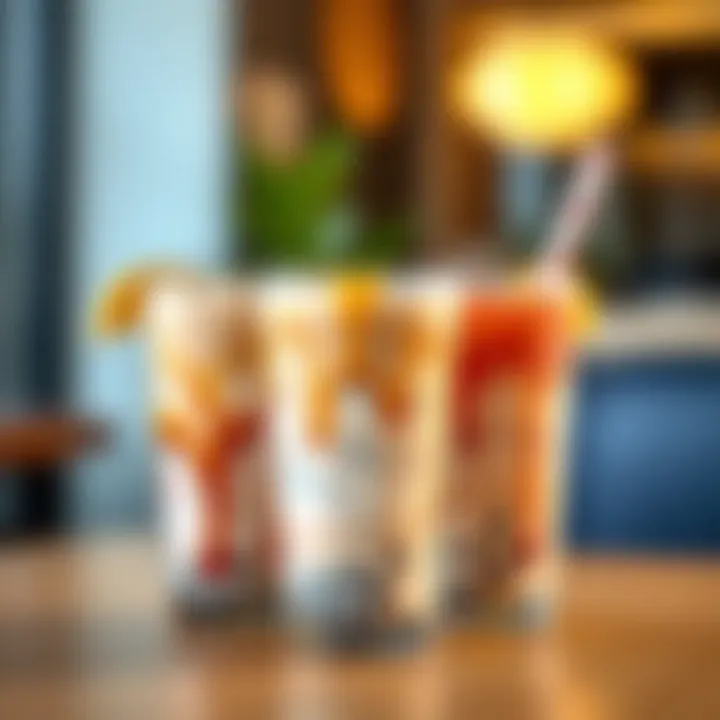
This nuanced approach to flavoring sugar syrup illustrates that there’s much to gain from thoughtful combinations and processes. Consumers who seek greater depth and complexity in their boba drinks will find that flavoring sugar syrup is more than an ingredient; it's a pathway to culinary creativity.
Utilizing Sugar Syrup in Boba
Sugar syrup acts like the secret sauce in boba tea—almost invisible, yet adds depth to the entire experience. Without it, boba would still be good, but it wouldn't hit that sweet spot that makes every sip delightful. Understanding how to utilize sugar syrup correctly is key to creating an unforgettable boba drink. It elevates flavors, turning a simple beverage into a culinary delight.
The choice of sugar syrup impacts the overall taste and texture, providing a solid backbone for other ingredients, like tea, milk, or fruit. Since the syrup is incorporated into the mix, balancing the sweetness is essential. A well-crafted sugar syrup harmonizes perfectly with the boba and other elements, making the drink both refreshing and flavorful.
Integrating with Tapioca Pearls
To truly appreciate boba tea, one must understand the dance between sugar syrup and tapioca pearls. These pearls are not just chewy balls sitting at the bottom of the cup—they play a vital role in the texture profile of the beverage. When you integrate syrup with tapioca, it doesn’t just coat the pearls; it infuses them with flavor. This integration creates a delightful burst of sweetness with each chew and elevates the overall drinking experience.
The texture of the tapioca pearls also complements the syrup's viscosity, adding a chewy element that contrasts beautifully with the smoothness of the tea or milk. However, over-syruping can lead to an excessively sweet clumping, which isn’t enjoyable. Finding that sweet balance is crucial to crafting a memorable drink—something that makes it stand out in a crowded boba market.
Creating Signature Drinks
Experimenting with Layering
Layering is one of the most innovative ways to showcase boba drinks. By carefully adding different ingredients—like various types of teas, sugars, and infusions—alongside the sugar syrup, a stunning visual appeal emerges. Each layer can have its own distinctive flavor, providing a multi-dimensional tasting experience.
The beauty of layering lies not just in the aesthetic but in how flavors evolve as you sip through the layers. However, it can be tricky; improper layering might cause flavors to blend prematurely. The key characteristic of this technique is the lip-smacking excitement it brings, making it a popular choice among boba enthusiasts.
Combining Textures
Texture plays a big role in creating memorable boba drinks. When combining syrup with various textures—such as creamy elements, fruity chunks, or even crunchy toppings like toasted coconut—you introduce an exciting interplay of sensations. This multifaceted approach adds complexity to each sip and keeps the drink interesting.
Fusing textures can also help in balancing sweetness levels; for instance, the creaminess of milk or yogurt can counteract the sugary aspect of syrup, giving a well-rounded flavor experience. However, it demands careful planning. You wouldn’t want to go too far and make the drink confusing rather than delightful. Noticing how textures interact enhances the overall enjoyment of boba tea, turning it into an artistic creation.
Utilizing sugar syrup in boba is not merely about sweetening; it’s about weaving together flavors and textures to craft a drink that’s greater than the sum of its parts.
Common Mistakes and Troubleshooting
When it comes to making sugar syrup for boba, the smallest misstep can lead to a world of difference in flavor and texture. This section focuses on common pitfalls that many encounter while preparing syrup, providing insights and solutions to ensure your boba experience remains exceptional. Understanding these mistakes not only helps refine your technique but can also elevate your overall culinary skills. After all, in the quest for that perfect cup of sweetness, awareness is key.
Overly Sweet Syrup Solutions
One of the most prevalent issues with homemade sugar syrup is the tendency to make it overly sweet. The sweetness can overshadow other flavors in your boba tea and create an imbalanced drink. First and foremost, it’s essential to remember that sugar preferences vary from person to person. What might be sweet enough for one might be cloying for another. If you find yourself with a syrup that’s too sugary, consider these solutions:
- Dilution: A simple trick is to dilute the syrup with a bit of water. Start with a small amount and taste as you go to avoid further sweetness.
- Balancing Acts: Adding a splash of freshly squeezed citrus juice can counteract the overpowering sweetness while complementing the flavor profile. Lemon or lime juice works wonders here.
- Experiment: Different sugars have different sweetness levels. For instance, using brown sugar can lend depth without being overwhelmingly sweet compared to regular granulated sugar.
Inconsistent Texture Issues
Creating sugar syrup that boasts a uniform texture is crucial for ensuring it combines well with tapioca pearls and doesn’t leave clumps behind. Inconsistencies can make your syrup grainy or cause it to separate, detracting from the luxurious mouthfeel you seek in your boba tea.
Adjusting Consistency
Getting the syrup's viscosity just right is integral for smooth incorporation into drinks. If the syrup ends up too thin or, conversely, too thick, it can create a less than desirable drinking experience. Here are some strategies for adjusting consistency:
- Heat Adjustment: During cooking, ensure you keep the heat at a steady simmer. This allows the sugar to dissolve uniformly and helps to achieve the desired thickness.
- Simmer Time: Cooking the syrup for too long can lead to a syrup that's overly thick. Keep an eye on the texture as it reduces. Less cooking time often yields a smoother texture.
- Use a Cornstarch Slurry: If your syrup is too thin, adding a cornstarch slurry can help thicken it slightly without changing the flavor dramatically. Mix cornstarch with cold water to create a paste, then add it to your syrup while still heating.
Preventing Crystallization
Another sticky situation is crystallization, where sugar forms unwanted crystals in your syrup, leading to a gritty texture. This issue often arises if sugar syrup is cooked at too high a temperature or cooled too quickly. Fortunately, prevention methods exist:
- Avoid Disturbance: Once the syrup is cooking, avoid stirring it excessively, as this can lead to sugar crystals forming on the sides of the pan.
- Lemon Juice Addition: A splash of lemon juice can alter the pH and inhibit the crystallization process. Just a teaspoon can make a difference, balancing the syrup's flavor while working against graininess.
- Proper Storage: Store syrup in air-tight containers, and if possible, refrigerate. A cold environment can prevent further crystallization once your syrup is done.
"An informed cook is an empowered cook. Avoiding common pitfalls streamlines your syrup-making process and enhances your boba experience."
Through understanding and addressing these common mistakes in your syrup preparation, you'll not only create mesmerizing boba drinks but also enlighten your journey in the culinary world. Emphasizing balance and texture will undoubtedly enhance your boba creations.
Nutritional Considerations
When exploring the world of sugar syrup for boba, it’s essential to consider the nutritional aspects that accompany sweetness. Sugar syrup, while pivotal to achieving the delightful taste of boba tea, brings with it a range of nutritional implications that one must acknowledge. This discussion is not merely about indulging in a treat; it’s about understanding the impact of what’s being consumed. The complexity of sugar and its alternatives shapes both our drinks and our health.
Sugar Content Analysis
The primary ingredient in sugar syrup is, unsurprisingly, sugar itself. The amount of sugar in your syrup can significantly affect the overall flavor and health profile of your boba tea. When evaluating sugar content, it's vital to consider the types of sugar used, whether it's granulated white sugar, brown sugar, or even specialty sugars like coconut or date sugar. Each type has its unique flavor and texture contributions:

- Granulated White Sugar: It creates a clean, sweet taste, perfect for a classic boba experience.
- Brown Sugar: Adds depth and a hint of molasses; many prefer this for a richer flavor.
- Coconut Sugar: Offers a lower glycemic index and brings a caramel-like taste.
"Sugar in moderation can enhance the experience, but an overload is a slippery slope to health concerns."
Excessive sugar consumption can lead to a host of health issues, such as obesity and diabetes. Hence, understanding the quantities you’re pouring into your boba is crucial, as even small adjustments can tailor your drink’s health profile. Monitoring total daily sugar intake and using sugar syrup judiciously can mitigate negative health impacts while still allowing for enjoyable treats.
Healthier Alternatives
As health consciousness rises, many are looking for ways to sweeten their boba without the negative consequences of refined sugar.
Natural Sweeteners
Natural sweeteners, such as honey, agave nectar, and maple syrup, are popular options for individuals who want sweetness without guilt. One of the key characteristics of these sweeteners is that they often contain trace vitamins and minerals, making them a more attractive choice. For instance:
- Honey: Offers antioxidant properties and can support immune function.
- Agave: Has a lower glycemic index than regular sugar, making it easier on blood sugar levels.
A distinct advantage of natural sweeteners is their unique flavors, which can add interesting layers to boba drinks that refined sugar simply can’t match. However, they're still calorically dense, so one has to be cautious about portions.
Caloric Comparisons
When weighing the caloric content of different sweeteners, an interesting aspect comes to light. Traditional sugar contains about 16 calories per teaspoon, whereas natural sweeteners can vary:
- Honey: Approximately 21 calories per teaspoon.
- Agave Nectar: About 20 calories per teaspoon.
This comparison shows that while natural sweeteners may offer some health advantages, they can be slightly higher in calories. Understanding the caloric differences helps boba enthusiasts make informed choices while keeping tabs on their caloric intake.
"Choosing wisely makes a world of difference; our boba can still be sweet and a bit kinder on the waistline."
In essence, the choice between sugar syrup and its healthier alternatives needs careful thought. By integrating knowledge about sugar content, health benefits, and caloric implications, one can savor the delightful experience that boba offers, without compromising on health concerns.
Boba Culture and Global Influence
Boba tea, often affectionately referred to as bubble tea, isn't just a drink; it's a phenomenon that has captured the hearts and palates of people around the world. Its rise is not merely a reflection of shifting consumer preferences; it encapsulates a rich tapestry of culture, community, and innovation. The ingredient that steals the spotlight in this explosive growth is none other than sugar syrup, the secret weapon that makes boba tea so irresistibly sweet.
Boba's Rise to Popularity
Boba tea's journey began in Taiwan during the 1980s, and since then, it has burgeoned into an international sensation. What started as simple tapioca pearls floating in sweetened milk tea has transformed into a sprawling universe of flavors, textures, and visual delights. The fusion of ingredients like fruit, matcha, and even cheese has turned boba into a canvas for culinary creativity.
This drink's popularity can be predominantly attributed to social media platforms, where stunning photos have gone viral, showcasing colorful layers and chewy pearls in oversized cups. Boba tea shops have popped up across continents, from bustling cities in the U.S. to quaint corners in Europe and Asia. Moreover, its appeal crosses demographics, attracting everyone from high schoolers looking for an after-school treat to culinary connoisseurs interested in haute tea experiences.
This enthusiasm is not just about taste; it signifies a communal experience. When friends gather to sip on their favorite flavors of boba, they share laughter, stories, and time. This social aspect of boba tea elevates it beyond a mere refreshment.
Influence on Global Beverage Trends
Boba's impact on global beverage trends is profound. As it permeates diverse markets, it spurs innovation in beverage design and flavor profiles. The essence of sugar syrup plays a pivotal role here, as it can be adapted and flavored to match local tastes. For instance, in the U.S., we see variations such as matcha lattes infused with vanilla syrup or caramelized brown sugar, while in Southeast Asia, traditional flavors like pandan or coconut sugar are often used.
The trend has prompted even mainstream cafés to experiment with boba-inspired drinks, integrating tapioca pearls into coffee beverages or even smoothies. It encourages mixologists and baristas alike to think outside the box; cocktails and non-alcoholic mixtures incorporate boba for an intriguing texture and visual flair.
Additionally, boba’s influence extends to young entrepreneurs who are eager to start their own tea shops. It has spurred a small business revolution, allowing individuals from diverse backgrounds to express their creativity and connect their heritage while introducing new audiences to innovative flavor profiles.
"The evolution of boba from a Taiwanese street food into a global cultural icon reveals the adaptability and creativity in us all while catering to varied palettes."
As we look ahead, the significance of sugar syrup within boba culture cannot be understated. It serves as the bridge between unique flavors and the beloved tapioca pearls, contributing to a beverage experience that is as much about community and enjoyment as it is about taste. Indeed, understanding the dynamics of boba culture and its global influence helps appreciate not just the drink but its ongoing impact on culinary and social patterns worldwide.
Closure
In the realm of boba tea, sugar syrup emerges as a cornerstone that significantly influences the overall experience. The balance of sweetness and texture it provides is not mere happenstance; it requires attention to detail and an understanding of the various techniques of preparation. This article emphasizes that mastering sugar syrup is essential, as it not only enhances the natural flavors of the tea and tapioca pearls but also heightens the aesthetics of the drink.
One cannot overlook the diverse methods available for crafting this syrup, whether it’s a simple stovetop routine or a cold brew approach. Each technique brings out different characteristics, offering boba enthusiasts opportunities to experiment and customize. The flexibility in flavoring—be it through fruit extracts or aromatic spices—opens yet another avenue to create personalized beverages, catering for varied palates. It is about exploring boundaries while keeping the essence of the drink alive.
Moreover, the pitfalls of syrup preparation can mar what could have been a delightful drinking experience. Addressing such issues, this discourse delves into solutions and tips to navigate common mistakes. The consideration of nutritional factors also plays a major role; by choosing alternative sweeteners or being mindful of sugar content, one can enjoy boba in a more health-conscious manner.
"Understanding sugar syrup's role adds a whole new layer to enjoying boba tea. It's more than a simple sweetening agent; it’s an art form in itself."
Recap of Key Points
- Essential Role of Sugar Syrup: It profoundly affects the flavor and texture of boba tea, serving both as a sweetener and enhancer.
- Various Preparation Methods: Different techniques are available, from traditional to innovative, each yielding unique qualities.
- Flavoring Enhancements: There’s a wide canvas for creativity through adding flavors, leading to personalized drinks.
- Troubleshooting Mistakes: Awareness of potential issues allows for smoother syrup-making processes.
- Nutritional Awareness: Considering healthier alternatives and satisfying cravings without overindulgence fosters a balanced enjoyment.
The Future of Sugar Syrup in Boba
The trajectory of sugar syrup in the boba scene appears promising, with trends leaning toward healthier alternatives and an appreciation for artisanal approaches. As culinary knowledge expands, enthusiasts might witness a growing number of local producers emphasizing organic sugars and homemade syrups. This could lead to a renaissance of flavors, with experimentation outweighing standard formulations.
Additionally, as global influence continues to weave itself into the boba tapestry, variations from different cultures may emerge, incorporating unique ingredients or sweetening techniques that align with regional preferences. Innovative sweeteners could reshape the landscape, making boba even more accessible to health-conscious consumers.