
Quick and Easy Coleslaw Recipe for Everyone


Recipe Overview
Coleslaw, a salad typically made up of finely shredded raw cabbage and dressed most commonly with vinaigrette or mayonnaise, is a dish that has traveled through time and culture, adapting beautifully to fit different palates. At its heart, coleslaw is a refreshing side dish that offers a crunch and zest, making it a perfect accompaniment for barbecues, picnics, or casual family dinners. It’s not just a sidekick; with the right ingredients, a simple coleslaw can steal the show.
Recipe Name and Description
This quick and easy coleslaw recipe embodies a balance of creamy and tangy, harmonized with a delightful crunch. It's straightforward to make, requiring only a handful of ingredients and minimal prep time. Whether you enjoy it as a topping on tacos or as a traditional side with fried chicken, this coleslaw will enhance your meal effortlessly.
Cuisine Type
Coleslaw is often associated with American cuisine, particularly in Southern and barbecue styles. However, variations can be found worldwide, reflecting local tastes and ingredients. From the classic creamy coleslaw to lighter, vinegar-based versions, this dish has roots in many culinary traditions.
Ingredients List
Creating the perfect coleslaw starts with a thoughtful selection of ingredients. Here’s a detailed breakdown of what you’ll need:
- Cabbage: Green cabbage is the classic choice, but purple or savoy can be delightful as well.
- Carrots: Fresh grated carrots add sweetness and color.
- Dressing: A mix of mayonnaise, vinegar, sugar, salt, and pepper gives that creamy texture we crave. For a lighter option, consider using plain yogurt or a vinaigrette.
- Seasonings: A sprinkle of celery seed or a dash of mustard can enhance the flavor profile.
Detailed Ingredient Breakdown
- Cabbage: Aim for about half a head, finely shredded. Optional: mix different colors of cabbage for visual appeal.
- Carrots: One large carrot, grated or julienned, brings sweetness and crunch.
- Dressing Ingredients:
- Additional Mix-Ins (optional): Chopped fresh herbs like parsley or cilantro, diced apples, or chopped nuts can add unique flavors.
- ½ cup mayonnaise
- 2 tablespoons apple cider vinegar
- 1 tablespoon sugar (or honey for a natural touch)
- Salt and pepper, adjusted to taste
Substitutions for Dietary Needs
- Dairy-Free: Use a vegan mayonnaise or an avocado-based dressing.
- Gluten-Free: All listed ingredients are gluten-free by default, but always check labels for pre-packaged items.
- Low-Sugar: Substitute sugar with stevia or another sugar alternative as per your preference.
"The beauty of coleslaw lies in its versatility and adaptability; it can be made to suit any dietary preference, keeping the crunch intact while tweaking flavors to your liking."
With a clear understanding of the ingredients, preparing your coleslaw becomes a delightful task. Next, let’s get into the method of whipping this dish together swiftly and effortlessly.
Intro to Coleslaw
Coleslaw has a unique place in the world of culinary delights, serving as both a refreshingly crisp side dish and an excellent complement to many main courses. Understanding coleslaw is essential for anyone who wishes to enrich their dining experiences, whether at family gatherings or casual barbecues. This article will explore its history, the cultural significance, and what makes it so versatile and beloved. There’s more to this humble salad than meets the eye; its layers of flavor and texture are a testament to the creativity surrounding it.
A Brief History of Coleslaw
The origins of coleslaw can be traced back to the Roman times, where the early version consisted of cabbage, eggs, and vinegar. The term itself is derived from the Dutch word "koolsla," which means "cabbage salad." This dish migrated to America in the 18th century, initially gracing tables as a simple yet nutritious side dish. Over the years, variations sprung up across different regions, each introducing its twist on this classic recipe, showcasing the adaptability of coleslaw.
As recipes evolved, ingredients changed, and today’s versions range from the heavily dressed American style to the tangier, vinegar-based preparations found in Southern cuisine. These shifts not only reflect regional tastes but also the influence of various cultures on the dish, leading to a cornucopia of flavors and textures.
Cultural Significance of Coleslaw
Coleslaw holds a revered place in culinary culture across the globe. In the United States, it’s often associated with summer barbecues, picnics, and family feasts. Many people have fond memories of it being served alongside fried chicken or adorned in a pulled pork sandwich. In its essence, coleslaw symbolizes comfort, togetherness, and tradition.
"Food is an integral part of cultural identity; coleslaw, in particular, showcases how simple ingredients can unite people over a meal."
In other cultures, such as in Germany with their famous "kohlrabi salad," or in Asia where they relish fresh cabbage slaws laden with spices and herbs, coleslaw takes on different aspects and showcases unique flavor profiles. These variations reflect the local climate, agriculture, and taste preferences, demonstrating how a modest dish can transcend cultural boundaries. The ability of coleslaw to adapt while maintaining its core identity is a brilliant example of culinary evolution.
As we explore the essential components of coleslaw in the following sections, it is essential to appreciate its historical roots and the cultural significance that this dish carries worldwide. It’s not just a simple side salad; it’s a connection to the past and a celebration of flavors that continue to evolve.
Key Ingredients for Coleslaw
The essence of a great coleslaw lies in its ingredients. When we speak about coleslaw, we aren't just talking about a quick side dish; we are exploring a delightful medley of flavors and textures. Each ingredient plays a crucial role in defining the dish, both in terms of taste and nutritional value. One might argue that without the right balance of components, your coleslaw can easily turn into a watery, bland affair rather than a crunchy, invigorating experience.
Vegetables: The Base of Coleslaw
To start off, vegetables form the backbone of any coleslaw. The classic choices include cabbage—green or red—along with carrots, and sometimes celery or bell peppers. Cabbage, with its crisp leaves, offers a satisfying crunch that’s simply unmatched. Red cabbage can add a pop of color and a slightly peppery note, while carrots lend a hint of natural sweetness.

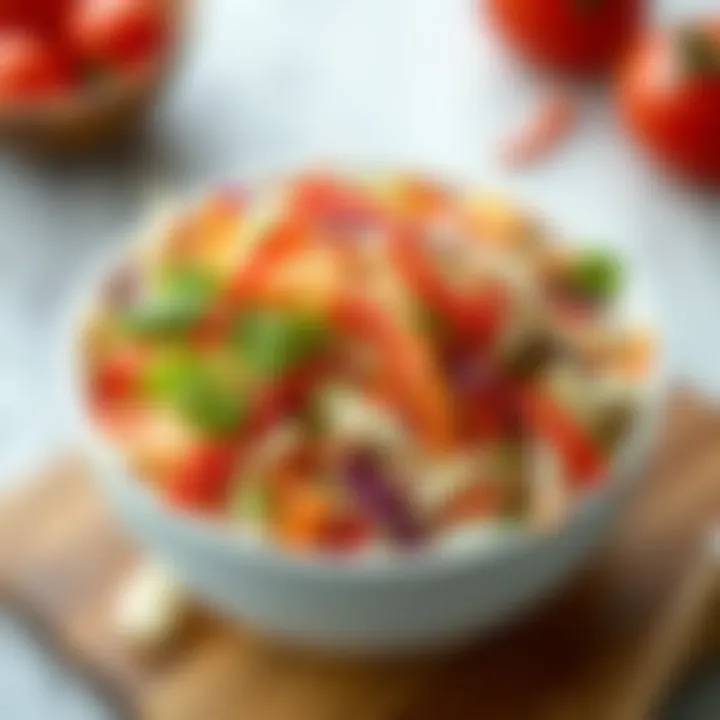
Sourcing fresh vegetables is vital for quality. The more colorful your vegetables, the more nutritious they usually are. One can often find different varieties of cabbage at local farmer's markets, bringing freshness and unique flavors right to the table. Another crucial aspect is how you cut your veggies. Shredding them finely can ensure they absorb the dressing fully while providing a delightful texture in every bite.
Diverse Dressing Options
The dressing is where coleslaw gets its character. It’s not all about mayonnaise anymore. Vinegar-based dressings are excellent for those who prefer a lighter taste; they can cut through the richness of heavy meals. One popular option is a mixture of apple cider vinegar, sugar, and mustard which balances sweetness and acidity beautifully.
For those who enjoy a creamier affair, using yogurt instead of traditional mayonnaise could replicate lusciousness without the extra calories. You can use ratios that suit your palate, adding spices or herbs for a personal touch. Even a dash of hot sauce can bring exciting heat to the mix.
Toppings to Enhance Flavor
To elevate your coleslaw beyond the ordinary, don’t forget about toppings. They can add layers of flavor and architectural finesse. Consider mixing in nuts and seeds for a satisfying crunch—think sunflower seeds or sliced almonds. Add-Ins such as dried cranberries or raisins can balance the overall taste with sweet and tart notes. Then there are fresh herbs like dill, parsley, or cilantro that introduce bright nuances.
For a global twist, try adding some jalapeños for heat, or a sprinkle of cumin for a smoky essence. Toppings aren’t just for flair; they bind the entire dish together, making each spoonful a mini-exploration of flavors.
"Remember, the best coleslaw is not just about what's in it; it's about how these ingredients come together to create a symphony of flavors."
Crafting coleslaw is all about knowing your ingredients and how to let them shine. By combining fresh vegetables, diverse dressings, and thoughtful toppings, it’s possible to create a coleslaw that is both nutritious and mouthwatering. So, next time you prepare coleslaw, think beyond the basics and let your creativity flourish!
Preparation Methods
Preparation methods play an essential role in crafting a memorable coleslaw. The way you chop, mix, and dress the ingredients can transform a basic dish into a culinary delight. Choosing the right techniques ensures that the flavors meld beautifully and that the textures are just right. When it comes to coleslaw, proper preparation helps preserve the crunchiness of the vegetables, making the dish refreshing and appealing.
Essential Tools and Equipment
Having the right tools at your fingertips can make the process of making coleslaw a breeze. Here are some must-haves:
- Sharp Knife or Food Processor: The key to excellent coleslaw is finely chopped vegetables. A sharp knife allows for precision, while a food processor can speed things up if you're in a hurry.
- Mixing Bowl: A large bowl not only accommodates all your ingredients but also provides space for mixing without spilling.
- Tongs or Salad Fork: When it comes to tossing and serving your coleslaw, having tongs or a sturdy salad fork facilitates thorough mixing without bruising the veggies.
- Measuring Cups and Spoons: Accurate measurements ensure that the dressing is balanced.
"Good tools make the job easier and the dish better."
Step-by-Step Preparation Guide
Crafting coleslaw is straightforward, but the sequence matters. Follow these steps for the best results:
- Prepare Your Vegetables: Start by washing your cabbage and other vegetables thoroughly. Shred the cabbage either with a knife or food processor. If using carrots, peel and julienne or grate them.
- Combine Ingredients in a Bowl: Toss the chopped vegetables into your mixing bowl. Ensure even distribution for the best flavor.
- Make the Dressing: In a separate container, whisk together your choice of dressing ingredients, ensuring a smooth blend.
- Dress the Coleslaw: Pour the dressing over the vegetables. Use tongs to toss everything together, making sure every piece is coated.
- Let it Chill: For the flavors to develop, let your coleslaw sit in the fridge for at least 30 minutes before serving. This step can intensify the taste significantly.
Tips for Achieving Perfect Texture
Getting the texture just right can be a matter of preference. Here are some effective tips to keep in mind:
- Avoid Overcutting: If you chop your vegetables too finely, they can turn mushy. Keeping them somewhat chunky helps retain crunch.
- Salt Your Cabbage: Lightly sprinkling salt on the cabbage before mixing can draw out excess moisture, preventing the coleslaw from becoming watery.
- Dress Right Before Serving: To keep the coleslaw crisp, avoid dressing it too early, as this can lead to sogginess. Instead, gor for a quick toss just before it hits the table.
- Experiment with Time: Some enjoy a crunchy coleslaw, while others prefer a softer texture. Adjusting the chilling time can help you achieve your desired outcome.
By keeping these preparation methods in mind, you can create coleslaw that’s not just easy to make but also exciting to eat.
Customizing Your Coleslaw
Coleslaw isn’t just a one-size-fits-all kind of side dish; it’s an open canvas waiting for your culinary touch. Customizing your coleslaw allows you to refine flavors, enhance nutrition, and tailor the dish to accommodate various dietary preferences. In a world where personal health and flavor profiles matter significantly, being able to adjust a coleslaw recipe opens up endless possibilities. Whether it’s swapping out a dressing, introducing a new vegetable, or adjusting seasonings, these simple changes can take your coleslaw from basic to brilliant.
Health-Conscious Variations
When considering variations for those who prioritize health, there are several straightforward adjustments one can make. Greek yogurt can serve as a creamy base instead of the traditional mayonnaise, drastically cutting calories and saturated fat while boosting protein intake. Substituting sugar with honey or agave syrup can also enhance sweetness without the downside of refined sugars.
- Fat-free yogurt or plant-based options like almond yogurt can yield great texture with fewer calories.
- Adding nutrient-dense ingredients like kale or spinach to your coleslaw can provide essential vitamins and minerals.
- Whole grains like quinoa or brown rice, mixed in lightly, contribute fiber while keeping the dish hearty and satisfying.
Using these health-conscious alternatives not only makes your coleslaw healthier but can also appeal to a broader audience.
Incorporating Seasonal Ingredients
Taking a cue from nature’s seasonal bounty, incorporating seasonal ingredients can elevate your coleslaw both in flavor and freshness. Seasonal vegetables like radishes in spring or Brussels sprouts in autumn can replace typical cabbage, leading to a unique twist. Embracing what’s fresh can redefine your coleslaw experience.


- Summer options might include juicy tomatoes or sweet corn, lending a crisp, refreshing bite.
- In the colder months, shredded carrots, apples, or even roasted beets can add delightful sweetness and a splash of color.
This approach not only ensures vibrant, flavorful dishes but also promotes sustainability by using local produce, contributing to a smaller environmental footprint.
International Twists on Classic Coleslaw
Global cuisines offer a treasure trove of flavors that can enhance your coleslaw game exponentially. Adding an Asian twist with sesame oil, ginger, and green onions can transform a traditional coleslaw into a delightful fusion dish.
- Mexican-inspired coleslaw with lime, cilantro, and a hint of jalapeño adds a zesty kick, perfect for BBQs.
- For a Mediterranean flair, throw in feta cheese, olives, and a drizzle of olive oil to provide a rich, salty tang.
These international variations not only bring exciting flavors to the table but allow you to cater to diverse palates, making your coleslaw a hit at gatherings!
In summary, customizing your coleslaw is about making it your own. Whether focusing on health, seasonal ingredients, or cultural variations, the key is to experiment and discover what pleases your taste buds while enhancing the dish’s overall appeal.
Serving Suggestions
Serving coleslaw isn’t just about putting a side dish on the table; it’s about elevating the entire dining experience. Coleslaw, with its delightful crunch and tangy bite, pairs beautifully with many main dishes, balancing flavors and textures. It's the kind of companion you'd be hard-pressed to find in just any old salad. In this section, we dive into how to best present your coleslaw and which dishes bring out its vibrancy.
Pairing Coleslaw with Main Dishes
The beauty of coleslaw lies in its versatility. This side dish can fit alongside a plethora of main courses, making it an all too perfect table mate. Here are some thoughtful pairings:
- Grilled Meats: Try serving coleslaw with barbecued chicken or pork ribs. The sweetness of the barbecue sauce combined with the tangy freshness of coleslaw creates a symphony of flavors.
- Sandwiches: Think of classic dishes like pulled pork or fried chicken sandwiches. Adding a scoop of coleslaw inside the sandwich not only adds texture but enhances the overall taste, bringing a refreshing crunch amidst the savory goodness.
- Seafood: A light, creamy coleslaw complements fish tacos well. The coolness of the slaw offers a nice contrast to the spicy elements often present in the tacos.
- Plant-Based Delights: For a vegetarian option, pair coleslaw with vegetable burgers. The crispness of the slaw can really help to lighten the meal and bring out the flavors of the burger toppings.
"Good coleslaw can be the unsung hero of many meals; it does not just accompany, it completes."
Presentation Techniques
A well-presented dish invites more than just appetites; it opens the door to conversation and appreciation. Here are some ideas to ensure that your coleslaw stands out on the table:
- Use Colorful Ingredients: Incorporate a blend of green cabbage, purple cabbage, and carrots for a colorful mix that catches the eye. You can even throw in some sliced bell peppers for added vibrancy.
- Serve in an Inviting Bowl: Consider using a rustic wooden bowl or an elegant glass serving dish. A beautiful bowl adds a touch of class to your spread.
- Garnish Thoughtfully: Sprinkle some sesame seeds, fresh herbs, or even a few slices of lime or lemon on top. This not only adds appealing color but also hints at the flavors inside.
- Layered Presentation: Create a layered look by alternating your slaw with whole leaves of lettuce or other greens in a deeper dish. This method brings a height to the presentation and looks impressive when served at gatherings.
Storage and Shelf Life
Understanding how to properly store coleslaw and its shelf life is crucial for anyone who enjoys creating this vibrant side dish. The freshness of coleslaw can significantly impact its taste and texture, which means knowing the best storage methods can help preserve those crisp vegetables and zesty flavors. When considering storage, one must think about how to avoid unpleasant surprises, such as a soggy salad or a soured dressing.
Keeping coleslaw fresh is all about moisture control and temperature.
Best Practices for Storage
To keep your coleslaw in prime condition, a couple of straightforward strategies can be invaluable. First off, it’s essential to choose an appropriate container. Airtight containers are your best friends in this scenario. They not only keep air out but also significantly reduce the risk of moisture accumulating inside, which can lead to wilting and decay.
- Refrigerate Promptly: Right after preparing your coleslaw, place it in the fridge. The sooner you cool it down, the longer it can last. Ideally, try to chill it within two hours of making it.
- Keep Dressing Separate: If you make coleslaw ahead of time, consider storing the dressing separately. Mixing dressings into the salad too early results in a soggy mess.
- Opt for Glass or BPA-Free Containers: Materials can leach into food over time, especially when in contact with acidic ingredients like vinegar. Using glass or BPA-free containers minimizes this risk.
- Limit Exposure: When dishing out portions, try to limit how much of the coleslaw is exposed to air and ambient temperatures. This helps maintain its fresh bite.
Understanding Coleslaw’s Shelf Life
The lifespan of coleslaw can depend on various factors such as the ingredients used and how it’s stored. Typically, a well-stored coleslaw can last around 3 to 5 days in the fridge, but there are nuances at play.
- Vegetable Freshness: The fresher your vegetables, the longer your coleslaw will last. Pay close attention to the state of your cabbage, carrots, and any other ingredients you include. If they're nearing the end of their shelf life before you even start, your coleslaw won’t last as long either.
- Dressing Effects: A vinegar-based dressing typically extends shelf life compared to creamy options. The acidity in vinegar helps preserve the integrity of the vegetables longer, while mayonnaise may cause quicker spoilage.
- Visual and Olfactory Checks: Always trust your senses. If your coleslaw appears discolored or gives off a strange odor, it’s best to err on the side of caution and toss it.
Keeping these details in mind will not only save your coleslaw from turning into a mushy disappointment but will also ensure that it's fresh and flavorful for all your culinary needs.
Common Mistakes to Avoid
Making coleslaw seems straightforward, but a few common pitfalls can detract from the experience. Understanding these mistakes is crucial to ensure a delicious and well-balanced dish that complements your meals perfectly. This section highlights key areas where many cooks go awry and how to sidestep those traps.
Overdressing Your Coleslaw
One of the most common errors in crafting coleslaw is giving in to the temptation to drown the vegetables in dressing. Overdressing can lead to a soupy mess that overwhelms the freshness of the ingredients.


When coleslaw is dressed too heavily, the vegetables, especially cabbage, can lose their crunch. A light hand with the dressing not only preserves the textural integrity but also allows the flavors to shine through. Instead of adding the dressing all at once, try drizzling it in gradually while tossing the slaw. This way, you can control how much is used, ensuring every bite is infused with just the right amount of flavor without being overly soggy.
"A heavy hand with dressing can turn a crisp salad into a soggy disappointment. Aim for a balance to enhance your coleslaw experience."
Neglecting Seasoning
Another frequent oversight is skimping on seasoning. While the dressing is important, the power of salt and pepper should never be underestimated. The right amount of seasoning can elevate the flavors of your coleslaw; without it, the dish might taste bland and unexciting.
When preparing your slaw, be sure to toss in salt and pepper to taste right before serving. If you wait too long, the salt can draw out moisture from the vegetables, leading to sogginess even before it hits the table. Consider also incorporating fresh herbs or spices to give an extra punch to the flavor profile.
Using Subpar Ingredients
The quality of the ingredients dictates the overall success of your coleslaw. Using wilted cabbage or poorly ripened tomatoes can significantly compromise your dish. Fresh, crisp vegetables form the backbone of good coleslaw, contributing both flavor and texture.
Always opt for the best produce you can find. If you're using pre-packaged coleslaw mix, ensure it has a good balance of colors and varieties of cabbage. Additionally, pay attention to the expiration dates on any dressings or sauces, as old ingredients might impart undesirable flavors. Investing in superior ingredients will yield a noticeable difference in the final outcome of your coleslaw.
Exploring Additional Resources
Cookbooks and Online References
Cookbooks often serve as a reliable cornerstone of culinary knowledge. Many food enthusiasts might overlook their value, especially with the waves of online content available today. However, specialized cookbooks focused on vegetables or salads can offer gems of wisdom that elevate your coleslaw game.
Here are a few reasons why you should check them out:
- In-depth knowledge: Cookbooks often delve into the history and origins of dishes, offering context that simply reading a recipe cannot provide. Books like "The Coleslaw Compendium" present variations and techniques you’d not find in usual recipes.
- Structured learning: Having a physical book lays out a pathway of learning. You can follow along from basic recipes to advanced techniques at your own pace.
- Inspiration galore: Cookbooks present visuals that can spark soda ideas. The vibrant images often encourage creativity with your ingredients.
You’ll find treasure troves of inspiration both in physical books and online platforms like Cooking Light or America's Test Kitchen.
Food Blogs and Community Contributions
Now, let’s not forget the wealth of information floating around in the blogosphere. Food blogs have developed into dynamic platforms where everyday cooks share their tricks and experiences, creating a lively community.
Food blogs allow for a more personal touch, often featuring stories behind recipes. These contribute to a sense of connection among food lovers who wish to share their self-taught wisdom or family traditions.
Some key benefits include:
- Real-life experiences: Blog writers share genuine trial and error, which can save you from making the same mistakes. They often respond to the chaos of cooking in real time.
- Variety of perspectives: With countless food blogs available, you'll discover styles and flavors from around the globe, each with unique takes on coleslaw. Diverse influences can spice up your usual recipe.
- Community engagement: Platforms such as Reddit or Facebook groups let you engage with fellow foodies for advice, feedback, or communal recipe sharing. You can even request variations tailored to specific dietary preferences.
In summary, don't just rely on a single source; combine classic cookbooks with the lively contributions from food bloggers. This synergy can truly enhance your coleslaw-making experience.
"Exploring beyond basic recipes can drastically improve your culinary skills and make cooking a delightful adventure."
For more insights and shared experiences, check out Food52 or Serious Eats. They’re gold mines for anyone looking to elevate simple dishes like coleslaw to new heights.
Closure
Creating coleslaw is not merely about mixing cabbage with a dressing; it’s an exploration of flavor, texture, and culture. In the grand scheme of culinary delights, coleslaw holds a unique place. This article has walked you through what makes a great coleslaw, emphasizing key elements, significant variations, and thoughtful preparation techniques.
Importance of Coleslaw
The importance of crafting a quick and easy coleslaw shines not just in simplicity, but also in versatility. With just a handful of ingredients, you can cater to diverse dietary preferences and occasions. This humble dish has the ability to bring together flavors from various culinary traditions while being adaptable to your personal taste. From a picnic spread to a lavish dinner table, coleslaw can effortlessly complement a multitude of main dishes.
When considering nutritional aspects, coleslaw is a way to sneak in those crucial vegetables into your meal. A well-balanced coleslaw contains fiber, vitamins, and minerals, making it a healthy addition to any plate.
Benefits of Mastering Coleslaw
- Ease of Preparation: The straightforward process allows both novice cooks and seasoned chefs to whip up a batch in no time.
- Customizable: You can play around with various ingredients to create unique combinations. Seasonal vegetables or unexpected toppings can transform a traditional recipe into something new and exciting.
- Long-lasting: A well-stored coleslaw can maintain its integrity for several days, making it perfect for meal prep or leftovers.
- Cultural Appeal: Understanding the historical and cultural context of coleslaw adds depth and appreciation to your culinary skills.
Considerations for the Perfect Coleslaw
While the ingredients and preparation techniques are crucial, thoughtful consideration in seasoning and dressing is equally vital. As previously noted, balancing flavors is the key to a delightful coleslaw.
As you practice and perfect your coleslaw recipe, remember to enjoy the process. Whether you find joy in selecting fresh ingredients or in experimenting with unique dressings, the act of creating coleslaw can be as rewarding as the final product itself.
Subtle adjustments can lead to remarkable changes in taste and texture. You might find, for example, that swapping out mayo for yogurt could add a luscious creaminess while cutting calories. Or, adding nuts might introduce a satisfying crunch that keeps your guests reaching for seconds.
Coleslaw is a reflection of your culinary creativity and the flavors you cherish. Now, with the insights and techniques shared in this article, you are well on your way to creating a quick and easy coleslaw that will delight all who taste it.