Top No Carb Pasta Alternatives for Healthier Meals
Intro
As more people shift towards low-carb diets, the search for satisfying and nutritious alternatives to traditional pasta has grown immensely. Whether it’s for weight management, health reasons, or simply personal preference, the demand for no carb pasta substitutes is on the rise. Interestingly, these alternatives often bring a unique twist to your meals, adding different textures and flavors that can elevate your culinary experience.
The Relevance of No Carb Pasta Substitutes
In this exploration, we find it crucial to understand what makes these substitutes not only palatable but also beneficial. Besides providing the satisfaction of a pasta dish, these alternatives can be packed with nutrients, fiber, and even protein. Moreover, they cater to various dietary needs, making them accessible to a wide audience.
From spiralized vegetables like zucchini to innovative options like konjac noodles, there is a world of possibilities awaiting eager cooks.
In the following sections, we’ll delve into a variety of substitutes, how to prepare them, and delicious recipes that bring them to life. This comprehensive overview aims to equip both novice cooks and seasoned culinary enthusiasts with the knowledge to navigate the no-carb landscape successfully.
Understanding No Carb Pasta Alternatives
As our diets become more health-conscious and focused on low-carbohydrate intake, the interest in no carb pasta substitutes has surged. Understanding these alternatives is not just helpful but necessary for those seeking diverse culinary experiences without the heavy drawback of traditional pasta. These substitutes not only help in maintaining a balanced diet but also open doors to innovative cooking and creative meal planning.
Definition and Importance
No carb pasta substitutes refer to various food items designed to mimic the shape and texture of traditional pasta while containing little to no carbohydrates. This is particularly significant for individuals following keto or low-carb diets, where a high carb intake is not feasible. Exploring these alternatives can transform how we perceive pasta and broaden our culinary horizons.
The importance goes beyond just dietary restrictions. The rise in plant-based diets and the search for gluten-free options have created a fertile ground for these substitutes. Understanding no carb pasta alternatives enables everyone, including amateur cooks and dietary experts, to cater to a wider range of preferences while fostering a healthier lifestyle.
Nutritional Considerations
When examining no carb pasta alternatives, it is crucial to consider their nutritional compositions. Different substitutes have varied profiles that can impact health in diverse ways.
Macronutrient Profiles
The macronutrient profiles of no carb pasta substitutes vary greatly, depending on their source ingredients. For instance, zucchini noodles, often called zoodles, are primarily composed of water, with minimal protein and virtually no fat. In contrast, Shirataki noodles, derived from the konjac plant, are almost calorie-free and contain a significant amount of glucomannan, a type of soluble fiber that can aid in digestion and promote satiety.
This distinction in profiles is vital. While the lower carb content can be appealing, one must also consider whether enough protein and healthy fats are included in the meal to ensure balanced nutrition. Each substitute comes with its unique merits, making it a beneficial choice for our culinary explorations.
Fiber Contents
Fiber is an integral component of any healthy diet, and this holds true when discussing no carb pasta substitutes. Many alternatives, like Shirataki noodles, carry a high fiber content that benefits digestive health. Fiber contributes to a feeling of fullness, which can be advantageous for weight management—a common goal among low-carb dieters.
Additionally, options like spaghetti squash not only serve as a pasta alternative but also provide vitamins and minerals alongside dietary fiber. This makes them a smart choice for anyone looking to boost their daily nutrient intake alongside enjoying their favorite pasta dishes.
Glycemic Index Factors
When delving into glycemic index factors, it's clear that no carb pasta substitutes rank differently on the scale compared to traditional wheat pasta. The glycemic index measures how quickly foods affect blood sugar levels. Since many no carb alternatives like zucchini noodles have low glycemic indices, they can be excellent choices for individuals managing diabetes or those who are simply conscious about blood sugar spikes.
Moreover, the lower levels of carbohydrates with these substitutes could reduce insulin spikes, making them not only favorable for weight management but also beneficial for overall health. As such, integrating these low-GI alternatives presents a strategically sound approach to meal planning.
Popular No Carb Pasta Substitutes
The rise of low carb diets has created a buzz around alternatives to traditional pasta. For those looking to cut back on carbohydrates without giving up their beloved pasta dishes, no carb substitutes offer a viable solution. Not only do these alternatives provide variety, but they also cater to various dietary needs, be it for weight management, diabetes control, or gluten sensitivity. By exploring delicious substitutes like zucchini noodles, shirataki noodles, spaghetti squash, cabbage noodles, and egg noodles, individuals can enjoy their favorite pasta dishes without the guilt.
Zucchini Noodles (Zoodles)
Zucchini noodles, often called Zoodles, have blossomed in popularity. They're often celebrated for their light texture and ability to absorb flavors, making them a brilliant choice for low-carb dishes.
Preparation Techniques
To create zoodles, one typically uses a spiralizer, a tool that turns zucchini into long, thin strands. This technique is not just elegant; it’s practical. It allows for a quick transformation of fresh zucchini into a noodle-like form in mere minutes. The key characteristic of this preparation is its low effort with high reward. Unlike traditional pasta, which requires meticulous cooking, zoodles are quick to prepare, saving time in the kitchen. The main disadvantage could be their watery texture, which can sometimes lead to soupy sauces if not cooked properly. A quick sauté or a brief steam can help eliminate excess moisture.
Flavor Pairing and Sauces
When considering flavor pairing for zoodles, their mild taste allows them to be compatible with many sauces. From classic marinara to creamy alfredo, zoodles are flexible and ready to absorb flavors. A particularly advantageous feature is that they handle spices and herbs well, enhancing the dish’s overall profile. However, it’s important to choose sauces that aren’t overly heavy, as they can overwhelm the lightness that zoodles bring. Using light dressings or homemade sauces allows for a fresh taste that truly shines.
Recipe Ideas
Zucchini noodle recipes can range from simple to sophisticated. A classic zoodle salad tossed with cherry tomatoes and basil can be made in minutes, while a zoodle lasagna layered with ricotta and spinach offers a unique twist on a traditional favorite. The main advantage of zoodle recipes lies in their adaptability; whether you want a quick snack or an elaborate dinner, the options are nearly endless. However, be cautious, as overcooking can lead to a lackluster texture.
Shirataki Noodles
Shirataki noodles are crafted from the konjac yam, making them a fascinating substitute in the low-carb pasta world. They are quite popular among those pursuing a ketogenic lifestyle due to their negligible carbohydrate content.
Origin and Composition
Originating from Japan, shirataki noodles are made by processing the konjac root, which is mostly water and fiber known as glucomannan. This unique composition is what gives them their low-calorie, no-carb status. The characteristic of being virtually calorie-free is a significant draw for health-conscious diners. However, one might argue that their flavor is somewhat bland, requiring a good sauce or seasoning to truly shine.
Cooking Methods
When it comes to cooking methods, shirataki noodles are as straightforward as it gets. They can be rinsed under cold water, heated briefly, and served. Unlike traditional noodles, no boiling is required, making them a quick option for busy meals. The primary disadvantage could be their gelatinous texture, which may not appeal to some. However, this feature serves well in soups or stir-fries, providing a chewy contrast to other ingredients.
Serving Suggestions
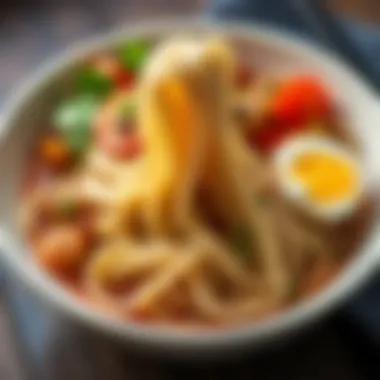
Shirataki noodles shine in dishes that accentuate their texture. Pairing them with bold flavors like spicy peanut sauce or savory stir-fries is recommended. The key aspect here is their adaptability; they can absorb flavors very well, making them versatile. However, the unique texture can be a hit-or-miss depending on personal preferences, which might limit their universal appeal.
Spaghetti Squash
Spaghetti squash is another unique option that has gained traction. This winter squash, when cooked, separates into strands resembling spaghetti, presenting both a visual and sensory twist.
Roasting Techniques
Roasting spaghetti squash usually involves cutting it in half, scooping out the seeds, and baking it face down in a pan. This method caramelizes the natural sugars, enhancing its flavor. The main characteristic that sets this technique apart is the resulting texture, which has a heartiness that can mimic real pasta. A drawback, however, is the time it requires—roasting can take up to an hour, which is a considerable commitment compared to other methods.
Texture Comparison
Comparatively, the spaghetti squash texture differs greatly from traditional pasta. While it may not offer the same springy bite, its unique strands provide an interesting mouthfeel. The versatility of its texture allows it to pair well with chunky sauces or in baked dishes. However, depending on cooking time, over-roasting can lead to mushiness, which diminishes its pasta-like appeal.
Creative Dishes
Creative dishes using spaghetti squash could include a classic marinara with meatballs or a more inventive stuffed spaghetti squash baked with chicken and spinach. The main advantage of this option is its ability to stand on its own in various recipes. Nonetheless, some might find that the initial preparation can be daunting, ultimately limiting its everyday use for certain cooks.
Cabbage Noodles
Cabbage noodles bring a refreshing twist to the no-carb pasta scene. Used as a wrap or a base for dishes, they provide a crunchy, satisfying alternative.
Preparation and Versatility
To prepare cabbage noodles, simply slice them into thin strips. The versatility of cabbage is its strongest trait; it can be used in stir-fries, salads, or even homemade coleslaw. This simplicity makes it an attractive option for busy individuals. However, some may find the texture less satisfying than traditional pasta or other substitutes, which could deter them.
Common Pairings
Common pairings for cabbage noodles include savory ingredients like garlic, olive oil, and ginger. The characteristic crunch can complement many dishes well, providing textural interest. One advantage here is that cabbage noodles can be a great way to add more vegetables into a meal. Some downsides could be that the tastes might not appeal to everyone, depending on their preference for leafy greens.
Nutritional Benefits
Nutritionally, cabbage is a powerhouse, high in vitamins C and K, while offering fiber that assists in digestion. This healthy profile is a significant benefit when substituting for pasta. Furthermore, its low-calorie nature makes it a guilt-free alternative. On the downside, not everyone enjoys the flavor of cabbage, which can be a barrier for some dieters.
Egg Noodles
Egg noodles make for a rich and satisfying substitute, particularly for those who enjoy the denser texture of traditional pasta. They are easy to find and prepare, and they add a hearty element to dishes.
Simplistic Recipes
Simplistic recipes featuring egg noodles can include classic butter and garlic dishes or a simple egg noodle casserole. These recipes highlight the inherent flavor and richness that egg noodles provide. They are a straightforward option that doesn’t require fancy ingredients or methods, showcasing their versatility. However, some individuals may not view egg noodles as a true no-carb substitute, as they may contain more carbs compared to other alternatives.
Cooking Tips
Cooking tips for egg noodles include watching the boiling time closely to avoid overcooking. A general rule is to cook until just al dente—this ensures the noodles maintain enough firmness. The unique feature that stands out here is the ability to incorporate quick-cooking methods for a speedy meal. Nevertheless, if prepared improperly, they can become mushy or too soft, detracting from the dish.
Meal Ideas
Meal ideas with egg noodles can extend to anything from rich fettuccine alfredo to Asian-inspired noodle dishes. These ideas are appealing because they allow for creativity while still delivering comfort food vibes. Their downside might be the perception that they stray slightly from a strictly no-carb diet, thus requiring careful consideration in meal planning.
Unique and Innovative Alternatives
In recent years, no carb pasta substitutes have captured the attention of health enthusiasts and culinary adventurers alike. It has become increasingly important to explore unique and innovative alternatives to traditional pasta, especially for those who wish to maintain or reduce carbohydrate intake. These alternatives not only cater to specific dietary needs but also offer an exciting variety of flavors and textures that traditional pasta simply cannot match.
The versatility of these substitutes opens doors to a world of culinary creativity. From how they are prepared to the various flavors they can be paired with, understanding these alternatives can transform one's approach to cooking. Plus, they often bring nutritional benefits that align well with low-carb diets, allowing people to enjoy their favorite meals without the guilt.
Palmini Pasta
Production Process
Palmini pasta is crafted from a unique vegetable, the heart of the palm, which is harvested from the peach palm tree. This process begins with slicing the palm hearts into noodle-like shapes, then they are packaged in a liquid to preserve their fresh state. Not only is this method efficient, but it does a great job of retaining the nutritional integrity of the ingredient.
One of the standout characteristics of Palmini's production is its all-natural composition. There are absolutely no added preservatives or artificial flavors, making it a beneficial choice for health-conscious individuals seeking a guilt-free meal option. Its unique attribute lies in how it maintains a low-calorie count while being packed with nutrients. For those looking for a quick, healthy pasta alternative, Palmini stands out among competitors.
Taste Profile
When it comes to taste, Palmini pasta brings a subtly earthy flavor that is not overbearing. This characteristic makes it a favorable choice for those who aim for versatility in their meals. The neutral taste allows it to absorb various sauces and spices, enhancing its appeal even further.
what’s interesting is that there’s no need to overpower it with flavors—simply toss it with a bit of olive oil and herbs, and it shines. However, some may find the flavor milder compared to traditional pasta. Those who appreciate more robust tastes might have to tweak their often go-to dishes a bit to get that taste satisfaction.
Recipe Inspiration
Cooking with Palmini offers an array of possibilities. For instance, creating a creamy Alfredo with grilled chicken is one way to get your dose of comfort food without the carb overload. Simply sauté garlic in butter, mix in cream and cheese, and fold in the Palmini—quick and satisfying.
Another great idea is a light stir-fry with vegetables and a splash of soy sauce. This approach not only elevates the dish but also ensures a well-rounded meal. The ability to endlessly adapt recipes makes Palmini an innovative choice, providing a canvas for culinary exploration without the downsides of traditional pasta.


Coconut Flour Pasta
Steps to Make
Coconut flour pasta is an exciting alternative that you can prepare at home, using just a few simple ingredients: coconut flour, eggs, and seasonings. The process is straightforward. First, combine the coconut flour and eggs until they form a dough. Let it rest briefly for a softer texture, then roll out and cut into your desired shape.
This method resonates with those seeking a hands-on approach to their meals. It’s not only health-conscious but also creative. Coconut flour pasta is gluten-free and generally low in carbs, appealing to a broad spectrum of dietary preferences.
Texture and Flavor
The texture of coconut flour pasta tends to be denser compared to traditional wheat pasta. This characteristic means that it holds sauces particularly well without falling apart. Expect a slightly nutty sweetness that can complement many dishes effectively.
The unique feature is that it can also absorb flavors wonderfully, making it an excellent addition to rich sauces or even lighter toppings. However, it's worth noting that if you prefer a more neutral taste, the hint of coconut might require some adjustment.
Combining Flavors
Coconut flour pasta provides a fantastic base for various combinations. This makes it especially popular among those who enjoy fusion cuisine. Pair it with spicy marinara, creamy Alfredo, or even with pesto for an exciting flavor experience.
The possibility of mixing it with vegetables or meats is endless, contributing to a dynamic culinary landscape. While it may not be as mainstream, coconut flour pasta introduces a vibrant twist to meal planning, appealing to adventurous food lovers.
Konjac Noodles
Health Benefits
Konjac noodles, made from the konjac yam, are rich in glucomannan, a soluble fiber that can aid digestion and help you feel full longer. This natural component of konjac is a strong selling point for many individuals looking to engineer better eating habits.
The primary health benefit lies in its low-calorie count, making it ideal for weight management. Additionally, it plays a potential role in lowering blood sugar levels, which is compelling for those who are managing diabetes.
Cooking Recommendations
When preparing konjac noodles, it’s essential to rinse them thoroughly to remove any residual smell from packaging. Cooking techniques vary, but popular methods include boiling, stir-frying, or even adding them directly into soups. However, it’s advisable to aim for a brief cooking time since overcooking may lead to a mushy texture.
This rapid preparation aligns perfectly with busy lifestyles, enabling you to whip up a quick meal that is both satisfying and healthy. However, be sure to monitor the cooking time to retain an enjoyable bite.
Presentation Ideas
For presentation, konjac noodles can be an attractive addition to any dish. Using colorful vegetables and garnishes can make a visually appealing plate. Serving it with a drizzle of rich sauce and topped with fresh herbs can elevate the experience.
Arranging the noodles in a nest, keeping a clean plate, and using contrasting colors not only adds aesthetic appeal but also signals the creativity wrought from innovative cooking. Remember, you eat with your eyes first, so make it count!
How to Prepare and Cook No Carb Pasta Substitutes
Navigating the world of no carb pasta substitutes can be a journey of flavors and culinary creativity. It's not just a matter of swapping out traditional pasta; understanding how to prepare and cook these alternatives properly elevates your meals. Getting the techniques right ensures you capture the essence of pasta without the carb load. Whether you're in a pinch for a quick dinner or planning a fancy meal, having knowledge of cooking methodologies can make all the difference. The following sections will delve into essential cooking techniques and flavor enhancements that bring your no carb dishes to life.
Essential Cooking Techniques
Blanching Techniques
Blanching serves as an essential technique when preparing no carb pasta substitutes. The core idea behind blanching is to briefly boil your ingredients, then plunge them into ice water, effectively halting the cooking process. This step helps brightens the flavors while maintaining a crisp texture, ensuring that your vegetable-based noodles do not turn mushy.
A popular choice for vegetables like zucchini or cabbage, blanching not only enhances color but can also reduce bitterness in some greens. This technique is particularly beneficial for aspiring cooks; it permits a straightforward way to prepare vegetables without overcooking. However, timing is key! If you leave something too long in the boiling water, it will lose its character.
Sautéing Tips
Sautéing is a straightforward and effective method to elevate no carb pasta substitutes. It involves cooking ingredients quickly in a bit of oil over relatively high heat. The beauty of sautéing lies in its versatility; it allows for flavors to meld together beautifully.
Pairing sautéed zoodles with garlic and olive oil can be a game changer. The high heat locks in the flavors while providing a nice sear. Ensure your pan is adequately heated before adding anything. One consideration here is that moisture can be an issue; if cooking methods are not carefully controlled, your no carb pasta can become soggy. This is one of the biggest pitfalls that can turn a delightful meal into a regrettable experience.
Serving Temperature
Finally, serving temperature can affect the overall experience of your no carb dishes. Generally, it's best to serve these substitutes warm, as most flavor compounds are more pronounced at higher temperatures. This guideline holds true for both sauced and unsauced variations.
However, some preparations lend themselves well to being cooled, like cold pasta salads made with spiralized cucumber or carrot. The unique charm here is in how the flavors develop differently at varying temperatures. Serving them too hot can potentially mute the flavors, while serving too cold can sometimes not do justice to your carefully constructed dish.
Flavor Enhancements
Herbs and Spices
In the realm of no carb pasta substitutes, herbs and spices become your best pals. A sprinkle of fresh basil or a pinch of chili flakes can transform your dish from bland to grand. This characteristic advantage is crucial, given that many vegetable alternatives can sometimes lack strong flavor on their own.
Adding herbs not only enhances taste but can elevate presentation as well. However, be cautious with the amount; too much can overwhelm the veggies' subtle flavors. The art is in the balance, making it one more layer of an already intricate culinary dance.
Sauce Compatibility
When it comes to sauces, understanding what pairs well with your no carb substitutes can set the tone for the entire dish. A light tomato sauce can work wonders with zoodles, while a rich Alfredo may be the star with shirataki noodles.


The unique texture of these noodles can imply certain sauces are a better fit than others. One challenge here is that some sauces may cling better than others, affecting the overall satisfaction of your dish. Blending flavors and textures can create an experience that feels indulgent without the guilt of traditional pasta.
Garnishes to Consider
Garnishes may seem like an afterthought, but they play a vital role in completing your no carb pasta meal. Whether it’s a sprinkle of Parmesan or some toasted pine nuts, they add that finishing touch that elevates the dish visually and taste-wise.
Choosing the right garnishes goes beyond mere aesthetics. They can add that crunch factor you might miss with soft vegetable noodles. However, too much embellishment can detract from the dish's core flavors, so keep it balanced.
"Cooking is not just about following a recipe, but rather about understanding flavors and what complements them."
With these techniques and flavor enhancements, you're well on your way to mastering the art of low-carb cooking. Engaging with your food on this level can make all the difference, turning healthy meals into delightful feasts.
Incorporating No Carb Pasta into Daily Meals
The dining table is often the heartbeat of everyday life, and finding ways to incorporate no-carb pasta into daily meals can significantly enhance one’s culinary repertoire. Such alternatives not only allow those avoiding carbs to enjoy familiar dishes but also introduce new flavors and textures that can be both exciting and satisfying. The essence of using no-carb pasta is rooted in its versatility; it can effortlessly transform a mundane meal into an appealing one, while still aligning with dietary goals.
This section highlights several key aspects of incorporating no-carb pasta into daily meals, emphasizing quick meal solutions and meal prepping techniques that can simplify cooking and improve nutrition without compromising taste.
Quick Meal Solutions
Lunch Ideas
Crafting lunch can be a challenge, especially when trying to keep it both nutritious and delicious. No-carb pasta options provide a brilliant solution. The key characteristic of lunch ideas with these substitutes is their adaptability. From a bustling office setting to a relaxed home environment, you can whip up a delightful meal in a flash.
For instance, a stir-fry with zoodles and a dash of soy sauce topped with sesame seeds can be ready in under 15 minutes. The ability to throw together a meal that feels indulgent while remaining low in carbs is what makes it a wise choice for anyone looking to manage their dietary intake. Lunch ideas like this offer the advantage of keeping energy levels high throughout the afternoon without the dreaded post-lunch slump. However, one might miss out on the satisfaction that traditional pasta brings; the texture, often, is different.
Light Dinner Recipes
Dinner should feel like a celebration of flavors after a long day, yet it can be all too easy to fall into a pattern of heavy dishes. Light dinner recipes using no-carb pasta, such as spaghetti squash with marinara sauce and a sprinkle of fresh basil, allow for a fulfilling meal without the weight of traditional pasta.
The hallmark of these recipes is their refreshing nature, making them a beneficial choice for anyone wanting to keep evening meals light. The unique feature of light dinner recipes is their ability to infuse freshness, often incorporating seasonal vegetables, which enhances the enjoyment. Nevertheless, it’s crucial to ensure these meals still pack enough protein and nutrients, in order to leave you satisfied.
Cold Pasta Salads
When the weather heats up, a filling yet refreshing meal is needed, and that’s where cold pasta salads shine. Using konjac noodles or palmini pasta in a salad lightens up the typical pasta dish and adds a refreshing twist. The cold pasta salad is characterized by its versatility, working well with a variety of ingredients like cherry tomatoes, olives, chickpeas, and a zesty dressing.
This adaptability is a significant advantage, as it allows for personalization based on taste preferences and dietary restrictions. Cold pasta salads are undoubtedly more appealing in warmer months when one seeks lighter options, though they require some know-how to balance flavors effectively, which can pose a bit of a challenge if ingredients clash.
Meal Prepping with No Carb Alternatives
Batch Cooking Techniques
For many, life gets hectic, and fitting in home-cooked meals can feel daunting. Batch cooking techniques with no-carb pasta alternatives are ideal solutions for those juggling busy schedules. The hallmark of this method is the ability to prepare meals in advance, ensuring that nutritious options are always within reach.
With techniques like prepping large portions of zoodles or spaghetti squash that can be easily reheated, you can save time and avoid resorting to unhealthy options. Yet, one needs to be cautious, as storing these types of pasta for too long can lead to loss of texture. Preparing these ahead of time can make lunchtime or dinnertime a breeze.
Storage Tips
Not every pasta alternative behaves the same way when it comes to storage. Ideal storage tips include keeping cooked zoodles or shirataki noodles in airtight containers to preserve their texture and freshness. The critical element is understanding that while some may hold up well in the fridge, others can spoil quickly if not properly stored.
Knowing how to keep these alternatives fresh ensures they remain a viable option throughout the week, allowing for a spontaneous culinary experience every day. The downside, however, can be that some no-carb pastas might not taste as fresh after being refrigerated due to moisture absorption.
Reheating Methods
Bringing no-carb pasta back to life after storage can be tricky if not done correctly. Specific reheating methods matter significantly in retaining flavor and texture. A practical method includes placing the noodles in a pan with a touch of olive oil, gently warming them, and ensuring not to overheat, as it can lead to a mushy dish.
The merit of this method lies in its ability to restore a semblance of the original taste without compromising the meal. While some may prefer simply tossing them into the microwave, the results are often underwhelming. Mastering reheating can transform an otherwise plain meal into something enjoyable.
In summary, incorporating no-carb pasta substitutes into daily meals allows for inventive culinary experiences that cater to diverse dietary needs while keeping the flavor front and center. Discovering lunch ideas, light dinner recipes, and strategies for meal prepping can pave a pathway to healthier eating habits, one plate at a time.
Ending: The Future of Low Carb Pasta Substitutes
In recent years, low-carb diets have surged in popularity, transforming the way many individuals approach food. This marks a significant shift in dietary habits, where traditional pasta has often had to make way for innovative substitutes. The topic of no carb pasta is not just a passing trend; it reflects a broader understanding of nutritional choices that cater to diverse dietary needs, including those of health-conscious individuals and those with specific health conditions.
Notably, the importance of no carb pasta substitutes extend beyond mere caloric reductions. These alternatives provide opportunities for incorporating various textures and flavors into dishes that were once dominated by wheat-based products. As a result, home cooks and professional chefs alike can explore endless culinary options.
Trends in Low Carb Diets
There is a growing tendency towards low carb diets driven by recent research highlighting the potential benefits of reducing carbohydrate intake. Many people are turning to options such as the keto and paleo diets where pasta substitutes are becoming essential components of meal planning. This movement isn’t merely a fad; it’s underpinned by experience and results.
- Health Awareness: As awareness of health issues, such as diabetes and obesity, increases, individuals seek foods that help manage these conditions. No carb pasta provides a delicious alternative that fits into this solution.
- Greater Variety: Once limited mainly to zucchini and spaghetti squash, the range of alternatives is expanding. From Shirataki to palmini, new products emerge that cater to different tastes and textures.
- Convenience Factor: As lives get busier, people look for quick-to-prepare options. Many no carb pasta substitutes are quick to cook or even pre-prepared, fitting conveniently into hectic lifestyles.
This convergence of dietary choices is essential and reflects broader shifts towards holistic health and well-being.
Sustainability Considerations
While focusing on the nutritional benefits, it is vital to also consider the environmental impact of food choices. Many of the ingredients used in no carb pasta substitutes are more sustainable than traditional wheat production—an essential contemplation in today’s climate-conscious society.
- Resource Efficiency: Vegetables like zucchini and cabbage require fewer resources to grow compared to grains. By opting for these alternatives, there's a potential reduction in the carbon footprint associated with pasta production.
- Local Sourcing: Many no carb options can be sourced locally, reducing transportation emissions. This supports local farmers and reinforces community health and vibrancy.
- Minimalism in Processing: Most no carb alternatives can be made with minimal processing, preserving their natural state and nutritional value. Emphasizing fresh, whole ingredients lets consumers make better choices for the planet as well.
Ultimately, as food creators innovate in this space, it presents an avenue for both environmental and personal health to go hand-in-hand. The future of no carb pasta substitutes is not just about what’s on our plates but how those choices affect our world. The discussions around sustainability and health will continue to evolve, leaving a solid ground for no carb alternatives to flourish.