Delicious Fourth of July Cookies to Celebrate Independence


Intro
The Fourth of July is a time of rejoicing, when families across the United States gather to celebrate independence and reflect on their shared history. Amidst the fireworks and barbecues, a distinct culinary tradition takes shape, one that involves the creation of vibrant and delectable cookies. These treats, often adorned with the red, white, and blue colors of the American flag, do more than just satisfy a sweet tooth; they symbolize creativity and community spirit.
As we delve into the world of Fourth of July cookies, we’ll explore how these confections can be more than a mere dessert. They are vessels of tradition that stir nostalgia, as well as avenues for inventive expression in baking. Whether you're a seasoned home baker or an enthusiastic novice, the upcoming sections will provide a glimpse into popular recipes, essential ingredients, and tips for crafting eye-catching presentations that will wow your guests.
Remember, it’s not just about baking cookies; it’s about celebrating a moment. Let's pull up our sleeves and dive into the artistry of cookie creation, ensuring that the sweet taste of independence resonates long after the day has ended.
Understanding Fourth of July Traditions
The Fourth of July stands as a pivotal date in American history, a day when freedom and independence are not only recognized but celebrated with gusto. Understanding Fourth of July traditions is key to appreciating the cultural fabric of the nation. While fireworks and barbecues commonly steal the show, the role of cookies in this celebration brings a unique, personal touch to gatherings.
Cookies have a rich place in the summer festivities, symbolizing connection and joy. They often serve as conversation starters at family reunions or neighborhood get-togethers. Beyond their sweetness, these treats embody the spirit of community and the traditions shared across generations. When families come together to bake cookies, they are not just preparing food; they are passing down stories, values, and history, creating lasting memories that children carry into adulthood.
Moreover, cookies allow for individual creativity. Each baker can add their unique spin—be it flavors, colors, or decorating techniques—thereby refreshing traditional recipes while keeping the foundational elements intact. This freedom to innovate within a framework mirrors the very essence of what the Fourth of July represents: a celebration of liberty and the ability to express oneself. Ultimately, grasping the significance of these traditions allows one to appreciate the broader context of the Fourth of July beyond just the fireworks and hot dogs. It unlocks the door to understanding how food, particularly cookies, plays a vital role in commemorating history and nurturing community bonds.
Historical Context
The signficance of July 4th traces back to 1776, when the Declaration of Independence was adopted. The historical context of the day shapes our modern understanding of celebration. Early festivities were marked more by speeches than by baking—a reflection of the era's priorities. However, as the decades rolled on, celebrators began to integrate food into demonstrations, with cakes and cookies making their way into gatherings, symbolizing the abundance of freedom.
Over the years, cookies became an easy, shareable sweet treat, perfect for flag-waving picnics, neighborhood block parties, and backyard barbecues. Each unique recipe speaks to the regional pride and differing customs across the United States, from classic sugar cookies decorated in red, white, and blue to pie crust cookies representing the nation's culinary diversity. With each bite of a cookie, one truly tastes the rich history that flavored the nation.
Modern Celebrations
In today's whirlwind of celebrations, July Fourth has evolved into something beyond just a day marking independence; it’s now a vibrant mix of cultures and culinary experiences. The modern celebration embraces inclusivity and diversity, showcasing an array of activities—live music, parades, and of course, the grand finale of fireworks lighting up the night sky. Cookies have maintained a steady and sweet presence throughout these festivities.
Families often bake together in the days leading up to the holiday, fostering connection as they craft treats that align with patriotic colors. The tradition of cookie decorating has gained traction, providing a creative outlet for individuals of all ages, combining art with baking. In essence, these cookies serve as both a sweet indulgence and a symbol of American pride—functioning not only as dessert but also as a vehicle of expression during a time that celebrates national identity. Whether one favors elaborate designs or simple sugar shapes, cookies are more than just food; they are a testament to the spirit of the holiday and the memories made along the way.
Understanding traditions, both historical and contemporary, aids in appreciating how culinary practices shape our experience of national celebrations.
The Role of Cookies in Festivities
Cookies play an integral part in the Fourth of July festivities, weaving together threads of culture, tradition, and community. These sweet treats do far more than satisfy a craving; they embody the spirit of celebration, bringing people together through shared experiences and joyous expressions. Understanding the role of cookies is essential when striving to create memorable July Fourth gatherings.
Cookies often serve as conduits of fond memories and personal stories. The traditional recipes passed down through generations can inspire topics around family heritage, as each cookie tells a story. Baking cookies together can become an offer to create special moments, making the kitchen a hub of creativity and laughter amidst the holiday hustle.
When considering the role cookies play during this festive time, it’s crucial to realize their potential for symbolic significance. The act of sharing cookies—whether at neighborhood barbecues, parades, or community gatherings—fosters a sense of belonging. They become tangible reminders of goodwill, establishing connections that extend beyond the mere act of consuming dessert.
Beyond their symbolism, cookies are also an art form, where creativity shines through. Decorative techniques allow bakers to tailor their creations, reflecting their individuality and the spirit of independence. From icing to intricate shapes, the craftsmanship transforms cookies into edible works of art.
Thus, cookies are not just a sweet addition to Fourth of July celebrations; they hold a deeper meaning. They link us to cherished traditions and encourage engagement in community. When we bake and share cookies, we participate in an age-old ritual that enhances the holiday experience.
Symbolic Significance


The symbolic significance of cookies during Fourth of July lies in their ability to represent the core values of American culture: freedom, creativity, and togetherness. The very act of crafting cookies reflects an essential part of independence—the liberty to create and innovate. With roots tracing back to many cultural influences, American cookies offer a canvas for personal expression.
Cookies adorned in the red, white, and blue of the American flag serve as edible symbols of patriotism. They stand as a delicious reminder of the sacrifices made for freedom and unity. Traditional cookie recipes might derive inspiration from regional flavors, fostering not only a sense of identity but also a reminder of the diversity that strengthens America.
"Cookies may be small in size, but their ability to unite people and evoke national pride is monumental."
When opting to bake these layered narratives of flavors and colors, one engages in an act of storytelling. Each batch crafted with love can spark discussions—stories are exchanged over how a certain cookie reminds someone of a family gathering or a cherished moment in childhood.
Sharing and Community Engagement
Cookies also play a pivotal role in community engagement on the Fourth of July. They facilitate interactions that transcend age, allowing young and old alike to partake in the celebrations. Whether in a small gathering of neighbors or a large family reunion, sharing cookies fosters an atmosphere of hospitality and warmth.
Baking and sharing cookies can lead to community bonding. Think about baking cookies as a project to unite not only family members but also neighbors. Organizing cookie swaps or bake sales can strengthen ties within the community. As families come together to share their favorite recipes, they also share their stories, creating a richer cultural tapestry.
Moreover, in this age of social media, cookies can spark connections beyond geographical boundaries. Creatively decorated treats can be shared online, where others are inspired to recreate and innovate, leading to a continuous cycle of sharing. It’s not uncommon for these delightful baked goods to pop up on platforms like Facebook or Reddit, showcasing the artistry involved in both baking and presenting them.
As a result, cookies become more than mere desserts; they embody the collective spirit of celebration that resonates through communities across the country on Independence Day.
Classic Fourth of July Cookie Recipes
When celebrating Independence Day, cookies do more than fill the dessert table; they enrich the festivities with a burst of color and flavor. Cookies like the classic sugar cookie and layered butter cookie are not just treats, but also serve as a canvas for creativity. The importance of these recipes lies in their ability to bridge tradition and innovation. When creative homemade cookies adorn the July 4th table, they become a symbol of celebration, uniting family and friends through shared experience around culinary craft.
Red, White, and Blue Sugar Cookies
Ingredients
To achieve that iconic red, white, and blue aesthetic, the ingredients play a crucial role. A vibrant beet powder can serve as the red, and naturally derived blue coloring from spirulina or blueberries can provide a non-artificial option for color. Sugar, flour, butter, and vanilla are staples in sugar cookies, creating a sweet base that complements the patriotic colors. One might also consider using almond extract alongside vanilla for an added depth of flavor that's both subtle and compelling.
These ingredients are foundational for Fourth of July cookies, making them a beneficial choice as they not only offer flavor but also a visual appeal that captures the holiday spirit. The unique feature of this combination lies in the option for health-conscious substitutions—many can opt for organic sugar or gluten-free flour without sacrificing taste. However, it’s essential to note that the use of natural dyes might yield varying intensities in color, which can affect the overall presentation of the cookies.
Preparation Steps
The preparation steps involved in making these cookies are straightforward, making them accessible to bakers of all levels. Begin by creaming the butter and sugar together until light and fluffy, beating in eggs one at a time. After mixing in the vanilla, fold the dry ingredients in gently to keep the cookies tender. The rolling and cutting process allows for creativity, as users can shape the dough into stars, stripes, or any festive shape they fancy.
What makes these preparation steps easy is the lack of complicated techniques. Anyone can whip up a batch without needing to be a top-tier baker. The downside, however, is that the cookies require chilling time to prevent spreading during baking, which may slow down the process for those eager to dig in.
Tips for Success
To ensure that these cookies turn out perfectly, consider the following tips: use fresh ingredients for the best flavor, chill the dough before rolling, and keep an eye on baking time to avoid overbaking. Employing parchment paper can vastly improve cleanup and prevent sticking, making for a smoother baking experience. Another advice includes rotating the baking sheets halfway through baking, to allow for even cooking—an easy step that can make all the difference.
The key aspect of these tips is simplicity and effectiveness, making them popular for both novice and experienced bakers. While these tactics enhance the chances of success, they also add a touch of craft to the baking process, transforming it into an artistic endeavor rather than a mere task.
Patriotic Layered Butter Cookies
Ingredients
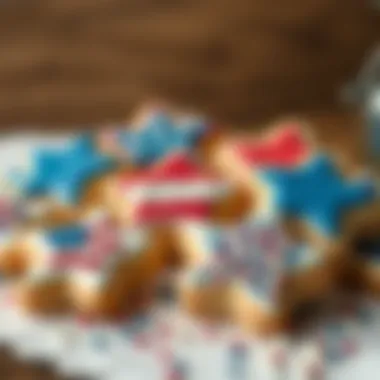

Layered butter cookies offer a delightful visual experience paired with a rich, buttery flavor. The fundamental ingredients include butter, sugar, flour, and eggs. However, the star of the show is undoubtedly the food colorings that create the layers. Quality food dye ensures that the colors won’t bleed into one another during baking, which is crucial for an appealing look.
These ingredients provide a base with great flavor while also allowing for artistic expression through color. The advantage here is that the simple mixture can be customized or flavored if desired—adding lemon or almond essence is a nice touch. Conversely, the use of excessive dye might make the cookies too sweet or may alter the texture slightly due to the additional liquid introduced.
Preparation Steps
The preparation of layered cookies begins with making a standard butter cookie dough. Divide the dough into parts, adding food coloring to each to create vibrant layers. After chilling, roll out the colored doughs and stack them carefully before cutting into shapes. This step might seem daunting, but patience is key, and the end result is worth every minute spent.
These preparation steps allow for creativity and personal flair in the presentation, which adds excitement to the baking process. The disadvantage, if any, is the potential for wasting dough if not handled properly, or mismatched color layering which can lead to less than festive results.
Best Practices for Layers
To achieve stunning layered cookies, focus on uniform thickness while rolling out the dough. This is critical to ensure that the cookie bakes evenly and retains the distinct layers after being cut. It’s also best to chill the layers before cutting; this holds the shape and prevents any mishaps in presentation.
Using a sharp knife or cookie cutter will help maintain the integrity of each layer, which contributes to the overall visual feast these cookies present. The most significant benefit here is enhanced visual appeal, making these cookies not only delicious, but also a centerpiece for any Fourth of July celebration. However, achieving those perfect layers often requires practice, as it can be tricky to maintain the aesthetic without compromising flavor.
Innovative Takes on Tradition
In a world where culinary arts continually evolve, the Fourth of July is no exception. This annual celebration, rich in history, provides a unique opportunity for food enthusiasts to merge classic recipes with modern twists. Innovative takes on tradition inspire creativity, enabling individuals to craft cookies that not only celebrate patriotism but also cater to diverse dietary needs and preferences. Adding elements of innovation guarantees that the age-old festivities remain exciting and relevant, ensuring that they resonate with each new generation.
Cookie Decorating Techniques
Icing Techniques
Icing techniques are vital for transforming standard cookies into artistic delights. Various icing methods, such as royal icing and buttercream, enable bakers to enhance the aesthetic appeal of their cookies dramatically. Royal icing, in particular, is noteworthy due to its firm texture when dried, allowing for intricate designs that can stand the test of time. This characteristic makes it a go-to for many decorators, as it permits detailed work without the fear of smudging. Additionally, it can be colored using food dyes, offering versatility to match Fourth of July themes.
One downside, however, is the drying time needed for royal icing, which can be prohibitive for those eager to display their creations immediately. Despite this minor drawback, the benefits of achieving stunning visual effects far outweigh the waiting period. Ultimately, mastering icing techniques can elevate cookie decorating to an art form, engaging bakers and their guests alike during festive gatherings.
"The joy of cookie decorating combines the creativity of art with the satisfaction of baking, creating a memorable experience for everyone involved."
Use of Edible Glitter
Edible glitter presents an enchanting way to add sparkle and flair to Fourth of July cookies. It serves as a finishing touch, turning ordinary treats into eye-catching masterpieces that catch the light beautifully. This decorative element is often a crowd favorite, especially among younger audiences who are naturally drawn to visually stimulating presentations. The shimmering effect that edible glitter creates brings a sense of festivity essential for July Fourth celebrations.
While the visual appeal is significant, one must consider the flavors. Some edible glitters can affect the taste of the cookie, depending on their base ingredients. However, many brands now offer flavorless options that provide the desired shine without compromising taste. The balance of aesthetics and flavor is achieved when bakers carefully select their edible glitter, ensuring the final product remains both enchanting and delicious.
Health-Conscious Variations
With increasing awareness around health and wellness, health-conscious variations of traditional Fourth of July cookies are becoming more popular. These alternatives not only cater to dietary restrictions but also align with the growing demand for healthier dessert options overall. This shift is critical in making sure that everyone can indulge in festive treats without compromising their health goals.
Gluten-Free Options
Gluten-free options hold a prominent place in the conversation of healthy variations. These cookies cater to those with celiac disease or gluten sensitivities, ensuring inclusivity in celebrations. Popular gluten-free flour substitutes like almond flour and coconut flour provide unique textures and flavors, allowing the cookies not only to maintain their delicious qualities but also to introduce novel ingredients into the mix.


One of the challenges with gluten-free baking is achieving the desired texture and density, often found in traditional flour cookies. However, with the right combination of alternative flours and binding agents like flaxseed or chia seeds, bakers can produce cookies that equally delight the palate and sight. The growing array of gluten-free recipes available has made it easier than ever for anyone to partake in Fourth of July festivities.
Low Sugar Alternatives
Low sugar alternatives represent a thoughtful approach to indulgence. With sugar consumption being a rising health concern, many are seeking out desserts that satisfy their sweet tooth without overloading on sugar. Utilizing natural sweeteners like honey, maple syrup, or stevia can significantly reduce sugar content while still delivering a pleasant sweetness.
The craft of making low-sugar Fourth of July cookies lies in the balance. While the aim is to lessen sugar, adjustments in other ingredients like fats or additional flavorings become necessary to compensate for taste. This meticulous process can yield cookies that not only contribute to a healthier lifestyle but are equally enjoyable during celebrations. The response from those with sweet preferences is often positive, demonstrating that dessert doesn’t always have to come with a guilt-trip attached.
Innovation in celebrating the Fourth of July through cookies enriches the festivities. From delightful decorating techniques to health-aware choices, these updates to tradition allow for a culinary experience that resonates with the values and tastes of today.
Presentation and Serving Suggestions
When it comes to Fourth of July celebrations, it's not just about the food—it's how you present it that can truly elevate the experience. Presentation and serving suggestions play an essential role in creating an inviting atmosphere. Cookies, often a centerpiece of the festive spread, deserve to shine not only in taste but in how they're displayed. These details can spark conversation and create lasting memories, not to mention enhance the overall aesthetic of the gathering.
Creating a Festive Spread
Color Coordination
One of the hallmark characteristics of a successful Fourth of July cookie display is color coordination. Using a mix of red, white, and blue aligns perfectly with the patriotic theme of the holiday. Color coordination isn't just beneficial; it's an eye-catching choice that draws people in. Each hue can symbolize something—red for courage, white for purity, and blue for justice—adding layers of meaning to your celebration.
When arranging cookies, consider using colored platters or decorative trays that complement the colors of your cookies. For example, a vibrant blue tablecloth can make red and white cookies pop, creating a visual feast. Each cookie type can be strategically placed to ensure an even spread of colors. The unique feature of this method is its versatility; matching the colors of cookies with your overall decor sets a cohesive mood for the gathering.
Nonetheless, a possible disadvantage is that it might require extra thought and planning, especially if you’re aiming for intricate designs. However, the effort is often rewarded with a stunning visual that enhances the festive spirit.
Plating Techniques
Plating techniques are where culinary artistry can shine through. Instead of just piling cookies on a plate, consider offering an organized approach. Elegant stacking, grouping by flavor, or using tiered stands can transform a simple cookie display into something visually appealing and sophisticated.
An essential aspect of plating is considering height and layers. For instance, a tower of cookies creates depth and interest. A key benefit of appealing plating is that it encourages guests to engage with the display. When cookies look great, people are more likely to grab one, creating an atmosphere of indulgence and enjoyment.
One unique feature of creative plating is the use of garnishes—such as fresh berries or sprigs of mint—to elevate the look further. On the downside, trying to achieve a professional look may present a challenge, particularly for those not well-versed in food styling. But remember, even simple techniques can have a significant impact.
Pairing Cookies with Drinks
The experience of enjoying Fourth of July cookies can be profoundly enhanced when paired with the right drinks. Whether serving iced tea, lemonade, or something a bit more festive like cocktails, the right combination can turn an ordinary cookie tray into a standout feature of your celebration.
Think about flavors that complement your treats; for example, a tangy lemon drink can bring out the sweet notes in buttery cookies. Additionally, when presentations are combined, consider clear glasses and colorful drinks that accentuate the color scheme of your cookies, making the entire spread more cohesive. The consideration in pairing drinks not only serves the palate but also enhances the visual feel of your gathering. Remember, the goal is to create a joyful and memorable experience for everyone involved.
Culmination
As we wind down our exploration of Fourth of July cookies, it’s clear that these sweet treats hold more significance than just their delightful taste. They embody the spirit of togetherness and celebration, serving as a delicious beacon of joy on a day that marks the birth of a nation.
Culinary Creativity and Community
The art of making Fourth of July cookies transcends mere baking; it’s a manifestation of culinary creativity that brings people together. When families and friends come together in the kitchen, they’re not just mixing flour and sugar; they’re crafting memories that last a lifetime.
Altering classic recipes to reflect individual tastes or health considerations fosters a sense of storytelling through food, where each batch of cookies can tell a tale of innovation and personal touch. For instance, a gluten-free red velvet cookie can resonate with those wanting to indulge without compromising their dietary preferences, while a layered flag cookie might provide a visual feast that sparks conversations about tradition and heritage.
Bringing these delightful cookies to the table at gatherings serves as a more than just a food experience; it enhances communal spirit. The laughter shared over frosting mishaps or the thrill of guessing the secret ingredient adds layers of enjoyment far beyond the mouthfeel of a cookie.
In essence, the significance of these treats goes hand-in-hand with the essence of the Fourth of July itself: freedom, creativity, and community. They offer a chance to connect over shared experiences, sparking dialogues and reminiscing about past celebrations. So when you present a plate of cookies, consider it a peace offering, a symbol of enthusiasm inviting friends and family to savor not just a sweet, but a moment in history. Let your cookies stand as a bridge to conversations that echo the values of community and creativity that are so vital today.Full of color, flavor, and nostalgia, these cookies remind us that life is not just about the end product, but the journey taken to create it.