Exploring the Rich Flavors of Middle Eastern Sweets


Intro
Middle Eastern sweets are much more than just desserts; they are a deep-rooted part of the cultural identity and culinary landscape of the region. From the bustling markets of Istanbul to the elegant tea houses in Cairo, these confections weave a rich narrative, intertwining flavors and history. Every bite tells a story of tradition and innovation, serving as an ambassador of the region’s diverse cultures.
These sweets range from baklava to halva and beyond, each with distinctive textures and flavors that reflect the unique ingredients of their home countries. For instance, the use of honey, dates, nuts, and aromatic spices like cardamom and saffron creates a symphony of taste and aroma that is simply irresistible. Moreover, the rituals surrounding their preparation, presentation, and consumption further enhance their allure.
As we venture deeper into this exploration, we’ll uncover the secrets behind the recipes that have stood the test of time, along with modern takes that cater to changing palates. This journey not only highlights the exquisite flavors of Middle Eastern sweets but also sheds light on their significance within various cultural contexts. Through this lens, readers will gain a deeper appreciation for these delightful treats, igniting a passion to savor them more fully.
To set the stage, let's dive into one of the most beloved recipes that exemplifies the beauty of Middle Eastern sweets.
Preface to Middle Eastern Sweets
When one speaks of Middle Eastern sweets, it isn't just about indulging in sugary delights; it's a journey into a world where culture, history, and culinary art intersect. These exquisite confections echo the rich heritage of a vast region, revealing insights into the lives and traditions of communities that have embraced these flavors for centuries. The importance of this segment lies not just in the delectable treats themselves, but in the stories they tell and their profound impact on social interactions, celebrations, and even commerce within Middle Eastern society.
Defining Features of Middle Eastern Sweets
Middle Eastern sweets are known for their intricate preparation methods, unique ingredients, and diverse flavors, which vary significantly from region to region. From the flaky layers of baklava to the syrup-soaked strands of knafeh, each sweet has its own distinctive characteristics. The use of sesame seeds, pistachios, and flavored syrups creates a sophisticated balance of textures and tastes that captivates the palate. It's not mere confectionery; it’s a celebration of culinary heritage.
Cultural Significance
Sweets in the Middle East transcend their role as mere desserts. They symbolize hospitality, generosity, and the essence of community. Offering sweets to guests is considered a sign of respect and warmth. During festive occasions such as Ramadan and weddings, these delicacies take center stage, enriching celebrations with their vibrant flavors and textures. Notes of cardamom and rosewater fill the air, creating an atmosphere steeped in joy and cultural pride.
"In many cultures, sweets are a symbol of life's sweetness. In the Middle East, they embody the soul's warmth and a connection to history."
Health Considerations
However, with rising health consciousness, the consumption of these sweets raises questions about moderation and balance. Many traditional recipes rely heavily on sugar and fats, prompting a reevaluation of how these desserts fit into modern dietary concerns. This awareness calls for a closer examination of ingredients and a shift towards more mindful indulgence.
Conclusion
Through this introduction, we lay the groundwork for a more in-depth exploration into the specifics of Middle Eastern sweets. From understanding their historical roots to dissecting the key ingredients that shape their flavors, readers will embark on a detailed journey through the layers of tradition, innovation, and cultural significance. The world of Middle Eastern sweets invites everyone—food lovers, culinary enthusiasts, and curious minds alike—to engage with a gastronomic legacy that is both rich and inviting.
Historical Significance
Understanding the historical significance of Middle Eastern sweets provides vital context for their rich flavors and diversity. This section digs into how these confections have evolved over centuries, entwining with various cultural and social dynamics effectively. Each piece of sweet not only serves as a treat but also represents stories and traditions passed down through generations.
Origins of Confectionery Culture
The roots of Middle Eastern confectionery date back to ancient times, and they stem from a variety of cultural influences merging seamlessly. As civilizations rose and fell, so did the methods and ingredients used in creating sweets.
Key elements of this evolution include:
- Ancient Recipes: The first known recipes for sweet dishes can be traced back to the Mesopotamians, who used honey, dates, and nuts long before sugar became prevalent. These natural sweeteners laid the groundwork for future developments in confectionery.
- Culinary Crossroads: The Middle East has been a crossroads for various cultures, leading to a rich exchange of culinary traditions. For example, Persians contributed unique spices that transformed basic desserts into elaborate feasts that tantalize the taste buds.
An interesting anecdote worth mentioning is that the word "sugar" itself comes from Arabic, illustrating the integration of language and flavor. This fusion has manifested into many modern dishes that resonate deeply in Middle Eastern kitchens today.
Influences from Trade Routes
The significance of trade routes cannot be overstated when discussing Middle Eastern sweets. Historic trade routes like the Silk Road facilitated not just the exchange of goods, but also the sharing of culinary skills and ideas across continents.
"Trade routes were the beating heart of cultural exchange, shaping the very essence of local cuisines."
As merchants traveled between distant lands, they carried with them new ingredients and cooking techniques that left an indelible mark on the sweets of the Middle East.
- Spice Exchange: Spices like cinnamon and cardamom, introduced through traders, became staple flavors in desserts, adding depth and complexity.
- Sweetening Alternatives: The arrival of sugar from India shifted culinary practices dramatically. By the Middle Ages, recipes that used honey began to evolve, incorporating this new ingredient into traditional dishes, creating entirely new varieties of sweets.
The transition from simple honeyed treats to elaborate layered pastries and syrup-soaked desserts is a testament to how interconnectedness transformed Middle Eastern cuisine.
Key Ingredients in Middle Eastern Sweets
When you step into the realm of Middle Eastern sweets, one cannot overlook the pivotal role played by key ingredients. These elements do not merely act as compounds in a recipe; they embody the essence of culture, tradition, and artistry that has evolved over centuries. Each ingredient contributes distinct flavors and textures, making the sweets not just desserts but also vessels of history and identity.

Nuts and Their Varieties
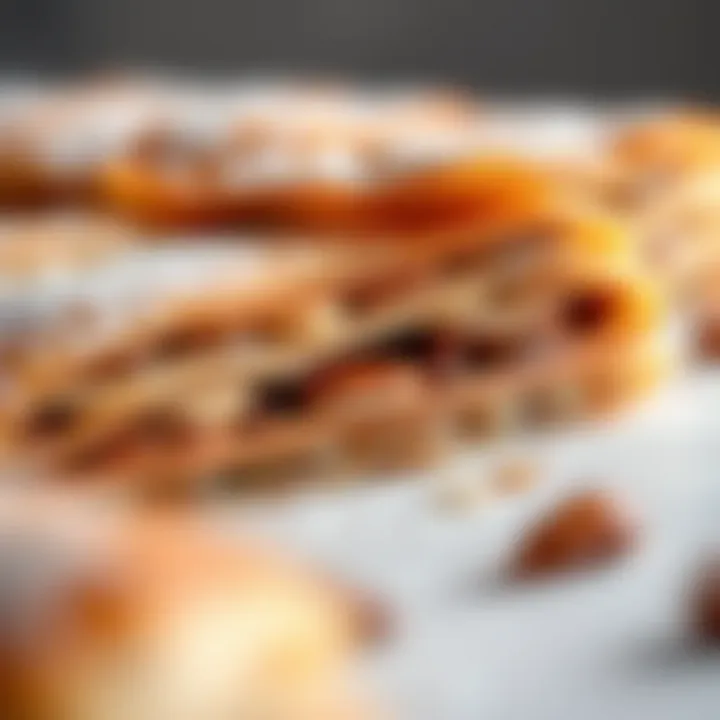
Nuts are the backbone of many Middle Eastern treats. Think of pistachios, almonds, and walnuts—they are like the stars in a movie that spark joy. These nuts bring crunch and richness that balance the sweetness in confections. For instance, baklava wouldn’t reach its full potential without a generous sprinkling of crushed pistachios, adding color, flavor, and delightful texture. Moreover, Iran is famous for its roasted saffron almonds, giving a luxurious twist.
- Pistachios: Often used in many sweets, giving a vibrant green color and unique, nutty flavor.
- Almonds: Common in marzipan and often blanched, they provide a delicate crunch.
- Walnuts: They are typically used in fillings, bringing earthiness that complements syrups and sugars.
The importance of these nuts goes beyond flavor; they are often associated with prosperity and generosity, making their presence essential during celebrations and family gatherings.
Honey vs. Sugar
When it comes to sweetness in Middle Eastern sweets, honey and sugar are two heavyweight contenders. Honey often offers more than just sweetness—it carries a depth of flavor and a unique aroma. For example, when honey is used in baklava, it infuses the layers of pastry with a floral note that plain sugar cannot replicate.
On the other hand, sugar is widely accepted in many regions where economic factors might make honey less accessible. It blends seamlessly into sweets, providing sweetness without overwhelming the other flavors. It’s a balancing act, much like a fine wine pairing. Both ingredients have their place—honey is often preferred in traditional recipes, while sugar may be seen in modern adaptations.
- Honey: Known for its rich, floral notes; elevates many recipes.
- Sugar: Provides sweetness without altering the fundamental flavors.
Spices That Define Flavors
Middle Eastern sweets are often rich in spices which define and enhance their flavors. The aromatic mix of cardamom, cinnamon, and nutmeg can transport you straight to a bustling bazaar rich in culture and history.
These spices do not just occur randomly; they are carefully chosen to enhance the overall experience. For example, cardamom mingles beautifully with the creaminess of desserts like kunafeh, offering warmth that complements its texture.
- Cardamom: Adds a citrusy warmth, often found in pastry doughs.
- Cinnamon: Its sweet yet spicy notes elevate desserts like rice pudding.
- Nutmeg: Known for its nutty essence; often used in various baked goods.
"Spices in Middle Eastern sweets are like a well-written poem, each ingredient contributing its own rhythm and flow."
In summary, understanding these key ingredients goes a long way in appreciating the intricate designs of Middle Eastern sweets. From the nutty crunch of pistachios to the warm embrace of spices, each component plays a vital role in weaving together the rich tapestry of flavors that characterize these culinary treasures.
Popular Varieties of Middle Eastern Sweets
Understanding the popular sweets of the Middle East is akin to peering into a window that reveals not just dessert, but culture and tradition. Each sweet has its own story, shaped by history and ingredient availability. This section dives into well-loved treats that span across not just countries, but generations. It provides an engaging glimpse into these confections that play significant roles in celebrations, family gatherings, and everyday life.
Baklava: A Classic Delight
Different Regional Variations
When one thinks of baklava, a rich pastry drizzled with syrup often comes to mind. Yet, this beloved treat takes various forms across the Middle East. In Turkey, baklava often boasts layers with pistachio nuts, while in Lebanon, walnuts take the spotlight. Each distinct type showcases a unique texture and taste. This diversity contributes significantly to the appeal of baklava, making it suitable for various occasions.
One might say that the different spins on baklava represent a broader spectrum of cultural expressions. For instance, while Turkish baklava typically leans sweeter and uses a bit of semolina, Lebanese baklava is thinner, focusing on the nut flavors with crispy layers of dough. This versatility is beneficial because it allows for a wide range of tastes, appealing to many palates.
Preparation Techniques
The art of preparation is another facet that elevates baklava to the status of a beloved delicacy. The process generally includes layering thin sheets of phyllo dough with a rich nut mixture and plenty of butter. This technique creates flaky layers that are both crispy and melt-in-your-mouth tender. While it may sound simple, achieving the perfect balance requires know-how and practice.
One distinctive aspect of making baklava is the generous use of butter, which ensures that each layer has a splendid flavor. However, the challenge lies in handling the delicate phyllo sheets without tearing them. Practice and patience make perfect for this technique, allowing bakers to create beautiful and delicious servings that delight the eyes and the taste buds alike.
Knafeh: A Textural Experience
Origin and Evolution
Knafeh, with its vibrant yellow hue and tantalizing texture, is a staple in many Middle Eastern countries. Originating in Palestine, it has grown and morphed with influences from surrounding regions, resulting in varieties tagged with local flavors. The base consists of fine noodle-like pastry or semolina, topped with soft cheese and layered with syrup.
The evolution of knafeh over the years showcases its importance beyond mere dessert. It often appears in festive gatherings and special occasions, cementing its role as a beloved comfort food. As it travels from one region to another, local touches—like adding orange blossom or rose water—bring unique character to the dish.
Serving Styles


The way knafeh is served holds equal importance as its taste, creating an inviting experience. Typically served hot, knafeh is often garnished with crushed pistachios or walnuts. This not only adds texture but also complements the richness of the cheese below it.
Another unique feature is its presentation. Often found in round trays or squares, this allows for easy serving at gatherings. These visual and tasting elements make knafeh an approachable sweet that appeals to all ages, bringing friends and families together in shared enjoyment.
Ma'amoul: Grape Filled Cookies
Traditional vs. Modern Recipes
Ma'amoul cookies have long been a staple in Middle Eastern festivities, particularly during holidays and celebrations. Traditionally, these cookies are filled with dates, figs, or nuts, illustrating a strong connection to the land and its produce. Contrast this with modern interpretations, where innovative fillings such as chocolate or grape take precedence, blurring the lines of tradition.
Choosing between traditional and contemporary recipes presents a delightful dilemma for bakers. The traditional recipes, with their fragrant spice blends and natural sweetness of dates, give a sense of nostalgia and cultural heritage. But modern recipes entice with a range of flavors catering to new palates, thus expanding the reach and appreciation of these cookies beyond their original audience.
Popular Fillings
The fillings of ma'amoul add an important layer to its appeal. Commonly seen with dates and nuts, these fillings not only encapsulate the essence of the season but also allow for creativity. With grape becoming a popular choice, some bakers are exploring distinctive blends that surprise and delight.
The unique feature of these multitudes of fillings is their versatility. Each family might make their own versions based on personal preference, making ma'amoul a delightful topic of conversation during gatherings. Those seeking a new taste experience may find that exploring popular fillings expands their appreciation for Middle Eastern sweets.
Basbousa: The Semolina Cake
Regional Variations
Basbousa is a moist, sweet semolina cake enjoyed across the region, but it is the regional variations that give it exceptional depth. From Egypt’s signature lemon flavor to the coconut-infused version in the Levant, one can explore how even slight tweaks transform a beloved cake into a unique offering.
Understanding these regional variations enhances one's knowledge of how culture affects culinary preferences. The variations frequently reflect local tastes and ingredient availability, painting a picture of each area’s richness and history.
Serving Suggestions
Serving basbousa offers yet another chance to share its delightful nature. Commonly paired with a drizzle of syrup or a spoon of yogurt, it takes on a new dimension. Many families will serve it warm, which enhances the enjoyment, particularly when shared amongst friends after a meal.
Its simplicity makes basbousa a perfect dessert for gatherings. The ease of distribution and sharing promotes bonding, aligning with the values often seen in Middle Eastern hospitality.
Ultimately, the popular varieties of Middle Eastern sweets will not only satisfy cravings but also weave together the stories of various cultures, helping to create cherished memories through shared tastes.
The Role of Sweets in Cultural Traditions
Sweets hold a profound place in the cultural framework of Middle Eastern societies. They are not merely confections but symbols of hospitality, celebration, and community bonding. Each dessert tells a story, representing local customs and traditions that enhance the overall dining experience. In many families, sweets are intertwined with life events, celebrations, and even daily rituals, be it a simple gathering or a grand festival. This role is essential in understanding not just the cuisine but also the people and their values.
Festivals and Celebrations
Festivals in the Middle East often showcase elaborate sweet displays. During Eid al-Fitr, for instance, a feast featuring an array of sweets like ma'amoul and knafeh signifies the joy of breaking fast after Ramadan. Each region has its own traditional sweets that reflect local ingredients and culinary techniques.
During weddings, sweets play a pivotal role, symbolizing sweetness in the couple's new life. Baklava can often be found at these celebrations, layered with nuts and honey, captivating both eyes and taste buds. Every holiday has its hallmark dessert, making sweets an indispensable part of cultural festivities.
- Importance of Sweets in Festivals:
- Serve as communal treats that foster unity.
- Reflect regional diversity and creativity in ingredients.
- Embody the spirit of giving and sharing.
Sweets also appear during religious observances. For instance, at Mawlid, the birthday of the Prophet Muhammad, special sweets are prepared to honor the occasion. This tradition of providing sweets is believed to bring blessings and joy to households.
Hospitality and Generosity
In Middle Eastern culture, hospitality is paramount, often illustrated through the act of offering sweets to guests. When someone enters a home, it is common to be greeted with a platter of freshly made basbousa or halva. This gesture is not just about satisfying hunger; it's an expression of warmth and respect, embedding the sweet treats deeper into social practice.
The act of sharing sweets can also strengthen social ties. Inviting friends or family over typically involves offering these treats, marking significant moments in relationships. Even in casual settings, sweets can serve as an icebreaker, paving the way for meaningful interactions.


"In many Middle Eastern cultures, to offer sweets is to offer a piece of one's heart."
Whether it's during festive occasions, family reunions, or casual visits, sweets symbolize a bridge between generations. They serve to convey stories of the past while also creating memories for the future. In this way, sweets are not just culinary delights; they are threads that weave together the intricate tapestry of Middle Eastern traditions.
Modern Adaptations and Innovations
As the world evolves, so does the art of creating delightful sweets. The idea of modern adaptations and innovations within the realm of Middle Eastern confections plays a pivotal role in keeping these culinary treasures alive and relevant. The amalgamation of traditional elements with contemporary tastes not only invites creativity but also broadens the appeal of these desserts to diverse audiences.
The traditional recipes, rich in history, often provide a foundation for innovation. Modern chefs and pastry artisans are frequently experimenting with ingredients, introducing exciting flavor profiles, or employing cutting-edge techniques that transform age-old recipes into something entirely new. The result is an enticing array of treats that appeal to both purists and those who seek adventure in their culinary experiences.
Contemporary Flavors and Techniques
In today's fast-paced world, the adaptation of Middle Eastern sweets has met the palate of a curious global audience. For instance, some chefs have begun to incorporate unusual ingredients with classic components. Instead of just using traditional almonds or walnuts, one might find pistachios paired with vibrant matcha or even infused with exotic lychee.
A notable trend is the integration of health-conscious ingredients. Many varieties are now incorporating natural sweeteners such as agave or maple syrup, making them more suitable for those who are mindful of sugar consumption. This adaptability ensures that traditional sweets can be enjoyed even by those who may have dietary restrictions.
Here are some popular contemporary techniques embraced by chefs today:
- Sous-vide infusions: A method of cooking vacuum-sealed foods in temperature-controlled water, resulting in concentrated and flavorful infusions.
- Deconstructed desserts: Presenting familiar flavors in innovative ways, breaking them down into separate components for a fresh experience while still paying homage to traditional roots.
- Artisanal approaches: Focusing on craftsmanship, sourcing locally, and respecting traditional methods while introducing a modern flair.
Fusion Desserts
Fusion desserts represent a significant leap in how Middle Eastern sweets are perceived and enjoyed today. By blending elements from various cuisines, chefs craft imaginative desserts that still hold that essence of tradition but resonate with a wider audience.
For instance, one may encounter a French-Middle Eastern macaroon infused with rose water or cardamom, bringing together the delicate texture of macarons and the aromatic flavors characteristic of Middle Eastern cuisine. Another popular example is the introduction of baklava cheesecakes, merging the classic layered nut pastry with the creamy richness of cheesecake, thus creating a delightful tension between taste and texture.
Not only do fusion desserts allow for creativity, but they also open doors for cultural appreciation, giving diners a chance to explore and enjoy the nuances of different traditions through a shared culinary experience.
"The beauty of fusion desserts lies in their ability to celebrate diversity while fostering a sense of community through shared flavors."
While exploring these modern adaptations, it is important to strike a balance between innovation and tradition. The challenge often lies in respecting the core flavors and textures that define these sweets while encouraging experimentation. As Middle Eastern sweets continue to adapt and evolve, their legacy perseveres, finding new life in every bite.
Health Considerations in Middle Eastern Sweets
When diving into the delightful realm of Middle Eastern sweets, it's easy to become enchanted by their rich flavors and textures. However, understanding the health aspects of these confections is paramount, especially in today's health-conscious world. In this section, we will explore practical implications regarding nutrition, the energetic boost that certain ingredients provide, and how to enjoy these treats without straying too far from a balanced diet.
Nutritional Value of Common Ingredients
Middle Eastern sweets are crafted with a host of ingredients, each of which carries its own nutritional profile. Some of the staples include:
- Nuts such as almonds and pistachios, rich in healthy fats, protein, and crucial vitamins.
- Honey, a natural sweetener, is not only a source of energy but also provides antioxidants that can support overall health.
- Semolina, often used in cakes like Basbousa, provides carbohydrates essential for energy, along with fiber that can aid digestion.
Reexamining these components unveils a complex landscape of nutrition that merits consideration. For instance, while baklava has a reputation for being decadent due to its syrupy sweetness, the generous inclusion of nuts elevates its nutrient density.
Balancing Indulgence and Health
Recognizing that sweets, in any culture, often symbolize joy and hospitality, it's crucial to approach them with a mindset that values moderation. Here are some practical tips:
- Portion Control: Instead of indulging in a whole plate, try enjoying just a piece or two. This small act can significantly reduce sugar intake while still allowing the pleasure of savoring these desserts.
- Time of Consumption: Consider enjoying these sweets as part of a balanced meal rather than alone; pairing them with proteins or fibers can slow down sugar absorption and help stabilize blood sugar levels.
- Homemade Variations: If you're up for it, consider whipping up these confections at home. You can substitute certain ingredients, like using dates instead of sugar or reducing the amount of syrup, leading to a slightly healthier yet still flavorful treat.
"In essence, while Middle Eastern sweets may seem indulgent, with thoughtful choices, they can fit into a vibrant and balanced diet."
By weaving these health-conscious threads into the fabric of enjoying Middle Eastern sweets, one can celebrate flavors and traditions without compromising well-being.
Culmination: The Sweet Legacy of the Middle East
Middle Eastern sweets carry a legacy that is as rich as the flavors they present. These desserts have been crafted over centuries, each one telling a story of culture, tradition, and the palette of a people. They are not just sugary delights; they embody the spirit and hospitality of the Middle Eastern culture.
In their very essence, Middle Eastern sweets reflect the amalgamation of history and community. For instance, the way baklava is prepared during Ramadan speaks volumes of family gatherings and the emphasis on sharing during significant times. The act of enjoying these confections transcends mere taste; it builds bonds and creates memories. This connection to cultural identity holds immense importance, especially in a time when global influences are incessantly shaping local traditions.
Moreover, understanding the geographic diversity within the Middle East offers greater insight into the variations of these sweets. You might find that the ingredients, techniques, and even the serving styles differ remarkably from one region to another. For example, while pistachios might dominate in some variations of baklava, others might lean heavily towards walnuts or almonds, illustrating the local tastes and available resources. This is a testament to how the land and its offerings shape culinary traditions.
The significance of these desserts is not only taste; it is also about nostalgia. Many people have fond memories associated with these sweets, whether it's the aroma of fresh baklava wafting through the air at a family gathering or the satisfaction of biting into a piece of knafeh. They evoke feelings of home and belonging, influencing how they are perceived even outside of their native lands.
Cultural Continuity
These confections have also adapted over the years, blending old traditions with modern tastes. As younger generations seek to innovate, they are not just preserving these sweets but breathing new life into them. Contemporary takes on classic recipes—such as vegan baklava or gluten-free basbousa—showcase the adaptability of these desserts and their enduring relevance.