Essential Guide to Emergency Meals Preparedness Kit


Intro
This article outlines the key components of creating your emergency meals kit, emphasizing not just the types of food to include, but also the storage strategies that extend their shelf life. Moreover, it dives deep into the necessity for nutritional balance during stressful times, offering practical advice to tailor your kit according to individual dietary needs.
In short, this guide is an indispensable resource for anyone serious about fortifying their preparedness and ensuring they can weather any storm with confidence.
Understanding the Importance of Food Preparedness
In a world where calamity lurks around every corner, the significance of food preparedness cannot be overstated. Emergencies can strike fast and without warning, leaving individuals and families in dire situations, both physically and mentally. A solid understanding of food preparedness goes beyond mere survival; it encompasses security, peace of mind, and the assurance that one can endure hard times.
Being prepared means knowing that you’ve got a safety net when the rope gets tight. Imagine being snowed in for days, or facing a natural disaster that disrupts not just your daily routine, but your access to basic necessities. Food preparedness is like having a lifeline—allowing you to be self-sufficient when external support is not available.
Having an emergency meals kit means having the right food at your fingertips, ensuring you’re not forced to rely on short-term solutions. From canned beans to rice, every item can be a part of a larger strategy geared towards resilience and self-reliance. While it’s easy to dismiss food storage as a chore, it carries great weight in maintaining well-being during a crisis.
Rationale Behind Emergency Preparedness
The need for emergency preparedness can often seem distant, a topic better suited for doomsday preppers than the average family. However, every household should approach the idea seriously. The rationale for preparing meals in advance aligns with common sense—disasters often strike when we least expect them. It’s not just about grabbing some quick eats; it’s about providing sustenance, family security, and enough nourishment to weather the storm.
Moreover, emergencies can affect daily behaviors and routines. Store shelves may be bare, power outages can last for days, or roadways may become impassable. The unpredictable nature of disasters reinforces the argument that preparedness saves time, money, and stress in the long run. Let’s face it, having a stockpile of food reduces panic. It's smart planning that speaks to the heart of self-sufficiency.
In many scenarios, food is not just a luxury—it’s an absolute necessity. When time is of the essence, planning meals before disaster strikes keeps your loved ones fed and comfortable, lessening the impact of distressing circumstances.
Potential Scenarios Requiring Emergency Kits
When considering what types of emergencies necessitate preparedness, a variety of situations come to mind. Here are a few scenarios to think about:
- Natural Disasters: Hurricanes, earthquakes, floods, or wildfires can displace families or lead to isolation. These events often result in power outages and scarcity of resources.
- Pandemics and Health Crises: As we've seen globally, health emergencies can prompt a sudden need for isolation, affecting shopping habits and access to food.
- Economic Disruptions: Financial crises may not lead to disasters in the traditional sense. However, unemployment or inflation can make it hard to secure food consistently.
- Civil Disobedience and Conflict: Unrest in community settings can disrupt supply chains and lead to hoarding behaviors.
- Transportation Disruptions: Whether due to strikes, snowstorms, or other barriers, being cut off from regular food supplies puts pressure on every house.
Having a comprehensive understanding of these scenarios sharpens one’s strategy for assembling the food preparedness kit. You never quite know what might come your way, but being prepared to face various situations can turn hardship into manageable challenges. It’s a proactive fight against a passive reliance on systems that might fail.
Components of an Effective Emergency Meals Kit
An effective emergency meals kit is fundamental to ensuring that individuals and families can sustain themselves during unpredictable situations. These kits act as a safety net, allowing people to feel secure knowing they'll have access to nourishment when the unexpected strikes. The key components of these kits revolve around practical, non-perishable foods, carefully considered nutritional elements, and reliable hydration methods. A thoughtful approach to assembling these components makes the difference in not just surviving, but maintaining health during challenging times.
Essential Non-Perishable Foods
Non-perishable foods form the backbone of any emergency meals kit. They are designed to last for extended periods without spoiling, offering reliable sustenance during crises.
Canned Goods
Canned goods are a staple in any emergency meals kit. They contain a variety of options, from vegetables to meats, making them versatile for cooking or direct consumption. One fundamental characteristic of canned goods is their longevity; most can last several years if stored under optimal conditions. Also, they often come pre-cooked, which allows for immediate use. Because of their density and packaging, they’re easy to stow away without much hassle. The only disadvantage might be the need for a can opener, but collapsible or multi-tools can remedy that.
Dried Grains
Dried grains, such as rice, lentils, and quinoa, contribute significantly to a well-rounded emergency meal kit. Their key characteristic lies in their ability to provide essential carbohydrates, which are vital for energy. Grains can be stored for years without spoiling and are a lightweight option. What's more, they can be cooked easily with just water. As for drawbacks, they require cooking, so some minimal resource might be necessary, particularly if fuel sources are compromised.
Freeze-Dried Meals
Freeze-dried meals have become increasingly popular in the realm of emergency preparedness. One standout feature of freeze-dried foods is their excellent shelf life, often extending to 25 years or more. This method retains the nutritional value of the original food while significantly reducing weight. They only require the addition of boiling water for preparation, making it simple in a resource-limited emergency scenario. However, alongside the benefits, there's the consideration of cost—these meals can be pricier compared to traditional canned options.
Nutritional and Dietary Considerations
In emergencies, simply having food isn’t enough; ensuring that the food is nutritious is equally important. Attention to macronutrient balance and dietary restrictions can make all the difference in sustaining health during a prolonged crisis.
Balanced Macronutrients
Maintaining a balance of macronutrients—carbohydrates, proteins, and fats—is crucial in any emergency meals plan. The key characteristic is to create meals that provide sustained energy and vitality. Selecting foods that include beans for protein, whole grains for carbs, and a measure of healthy fats helps to optimize energy and keep spirits high. The downside might be the extra effort to ensure variety, but it certainly pays off when discussing longer survival scenarios.
Dietary Restrictions


Addressing dietary restrictions in an emergency meals kit is vital for inclusivity and health. Whether it be allergies, vegan or gluten-free diets, understanding what works for everyone in the household makes the kit effective for all. Including ingredients that cater to these needs shows forethought and planning. However, this could complicate selection and logistics because it often requires separate storage of specialized items. When properly curated, the advantage is a collective peace of mind knowing everyone has access to suitable food.
Water and Hydration Needs
Water is as critical as food in any emergency situation. Therefore, having a reliable plan for securing hydration resources is imperative.
Storage Recommendations
Proper storage of water can significantly impact safety and availability. The best practice is to use food-grade plastic containers that are clean and free from any chemicals. It’s recommended to keep at least one gallon per person per day for at least three days. It’s also key to rotate bottled water every six months to ensure freshness. Nevertheless, the actual tap water can also be stored in clean containers as an alternative.
Long-Term Availability
Long-term availability of water ensures that a family can survive extended situations without access to clean water sources. This means utilizing methods such as water purification tablets or filters. The significant characteristic here is sustainability; having systems in place to collect rainwater or purify ground sources can greatly extend self-sufficiency. The downside can be the initial investment in equipment and storage, but the long-term benefits outweigh these initial costs.
Creating a Personal Emergency Meals Plan
Creating a personal emergency meals plan is a critical aspect of ensuring your household is equipped to handle unexpected situations without a hitch. Having a tailored approach means you are not just filling a cupboard with random food items, but instead curating provisions that specifically meet the unique needs of your family. This plan enhances your preparedness, giving you peace of mind that sustenance is ready when it’s needed most. Let’s dig into how to properly craft this plan, focusing on essential elements such as assessing household needs and customizing food selections.
Assessing Household Needs
Family Size Considerations
When it comes to preparing meals in times of crisis, the size of your household plays a significant role in what and how much food to stockpile. It’s crucial to tailor your emergency meals kit according to the number of mouths to feed. A small family—maybe a couple or a parent with a child—might not need the same quantity of supplies as a larger group consisting of multiple children or extended family members. The key characteristic here is balance: stock enough food without overdoing it to avoid waste.
- A beneficial choice here is understanding how to assess food quantities. For example, a good rule of thumb is to plan for a minimum of three days’ worth of meals for each family member, ideally packaged in a way that’s easy to prepare with limited resources.
- On the flip side, larger families can incur advantages by dividing responsibilities and diversifying meal options, yet the challenge lies in coordinating preferences and dietary needs.
Thus, assessing family size is more than just counting heads; it involves planning for logistical challenges and ensuring everybody’s taken care of, from the youngest to the oldest.
Children’s and Pets' Needs
It’s not just humans who require care during emergencies. Children and pets add an additional layer of complexity to your planning. Children often have specific tastes and may need age-appropriate food, whereas pets necessitate their own dietary restrictions. This characteristic makes addressing children’s and pets’ needs vital for successful emergency meals preparedness.
- Kids may need snacks that are both engaging and nutritious, such as fruit cups or individual packs of crackers. Plus, don’t forget their favorite comfort foods; in stressful situations, a bit of normalcy can help.
- For pets, you wouldn’t want them to go hungry during a crisis either. Including a small stash of their regular food can save you from dealing with a hangry dog or cat— which is certainly not something you want to deal with amidst chaos.
In summary, outlining the needs of children and pets isn't just good practice—it's essential for maintaining a sense of normality during emergencies.
Customized Food Selections
Cultural Preferences
Another cornerstone of an emergency meals plan is recognizing and embracing cultural preferences. In many households, food is intertwined with traditions, flavors, and shared memories, which can be comforting in difficult times. Stockpiling foods that honor these preferences can not only meet nutritional needs but also provide emotional comfort.
- Consider incorporating rice, beans, or spices widely used in traditional meals, ensuring that even during tough times, family members can enjoy familiar flavors.
- However, a downside is that cultural foods might have different storage needs; for instance, some spices might lose potency over time, so factor that into your planning.
Thus, acknowledging cultural preferences can enrich your emergency meals kit culturally and nutritionally, making it a vibrant lifeline in tough situations.
Food Allergies
Understanding food allergies is paramount for creating a personal emergency meals plan. Many families have specific dietary restrictions due to allergies, making it crucial to account for these when preparing your kit. Identifying this unique feature of allergies is vital—nobody wants to put their loved ones at risk.
- It may be beneficial to swap out common allergens with alternative options, like gluten-free grains or nut-free snacks. This makes your emergency meals kit inclusive while ensuring safety.
- On the downside, finding acceptable and allergy-free options can limit some food choices. Balancing between nutrition and safety can be a tricky tightrope to walk.
To conclude, tailoring your food selections to consider food allergies makes your emergency meals kit not just practical, but also indispensable for the well-being of every individual in your household. It’s about ensuring everybody has access to safe, nourishing foods when it matters most.
Storage Solutions for Emergency Supplies
When it come to bein’ ready for any kind of emergency, havin’ the right storage solutions in place can mean the difference between goin’ hungry and makin’ do. In the chaos of an emergency situation, it’s vital to secure your supplies in a manner that not only keeps ‘em fresh but also makes ‘em easily accessible. Think of storage as the backbone of your emergency meals kit, protectin’ your investments in food while also maintainin’ their nutritional quality.
Optimal Storage Conditions


Temperature Control
Temperatures can have a significant impact on food quality and safety. Most non-perishable items fair best in a cool, dry environment; think of your grandma’s old chilly pantry where she kept her goods safe. The recommended storage temp for most foods is around 50°F to 70°F (10°C to 21°C). Keeping your supplies in a stable temperature range helps to slow down the spoilage process, making temperature control a crucial aspect of your emergency kits.
One of the defining characteristics of temperature control is its direct correlation to food longevity. When you store items at fluctuating temperatures, you might find the wheels of deterioration start turnin’ quicker. For instance, canned foods tend to retain their quality for years, but if they are left in a hot environment (say a garage during summer), you might open a can only to find its contents spoiled. While temperature control is not something you can always manage during a crisis, establishing a solid initial storage practice can do wonders.
Humidity Levels
Alongside temperature, humidity is another silent player that can make or break the quality of your emergency food supply. Humidity affects how quickly moisture permeates through packaging and can lead to spoilage or even mold growth. When humidity levels are high, it can open the door to all sorts of uninvited guests—bacteria, mold—and the like. On the flip side, too little humidity can cause dry goods like pasta to harden, making ‘em almost inedible.
This makes humidity levels a hot topic worth considerin’. The ideal range for food storage is typically between 20% and 60% relative humidity. Utilizing resealable bags, oxygen absorbers, and storing items in airtight containers can help manage humidity effectively. One feature that makes humidity control so vital is its role in prolonging shelf life. When done right, you can save yourself money and time in the long run, without having to constantly replace spoiled food.
Durability of Food Items
As you gather your emergency supply kit, keep in mind that not all food items are created equal when it comes to durability. If you don’t have an eye on how long items hang around, you might end up with food that's just, well, not edible when you need it most.
Expiration Dates
The expiration date is your best friend when it comes to knowing when food items are still good for consumption. It serves as a guide for maintaining an effective emergency meals kit. This date can vary greatly among different products. For instance, while canned beans might be good for years, fresh produce or dairy products can become problematic much sooner regardless of storage conditions. One key feature of knowing expiration dates is that they can dictate how often you need to check and replenish your supplies.
However, just remember that an expiration date is merely a guideline. In many cases, food remains safe to eat beyond these dates, but it can start to lose flavor or nutritional value. So, while it’s essential to pay attention to these markings, don’t throw out perfectly good beans just because they’ve reached their ‘best by’ date.
Shelf Life Management
Shelf life management is all about keepin’ tabs on how long your food can last in storage while still bein’ safe and tasty to eat. Many factors influence this, like storage conditions, packaging, and the type of food item. For example, freeze-dried meals have longer shelf lives than regular canned goods. This highlights the importance of selecting food items wisely based on how often you’ll need to replace 'em as they get closer to their shelf life limits.
By actively managing the shelf life of your emergency supplies, you’ll find you can effectively plan and rotate your stock on a regular basis. When meals are fresh and ready to eat, you'll minimize food waste and ensure that you have the most nutritious options when you need ‘em. Keeping records, like a simple checklist or calendar, can help remind you when it’s time to replenish your kit.
"It will not always be easy, but preparing is the key to securing your sustenance during unpredictable times."
For further reading and resources on the topic, check websites like CDC’s Emergency Preparedness and FEMA’s Community Preparedness to strengthen your understanding and readiness for potential emergencies.
Maintaining Your Emergency Meals Kit
Maintaining an emergency meals kit is not just a formality; it's a fundamental practice that can mean the difference between surviving and thriving during a crisis. Keeping this kit in top shape ensures that your food supplies remain safe, nutritious, and ready for any unforeseen circumstance. Replacing outdated items, checking inventory, and adjusting for climate changes are all pivotal to proper maintenance and can ultimately enhance one's preparedness.
Regular Inventory Checks
Updating Expiry Dates
Updating expiry dates in your emergency meals kit is critical. There’s no use packing a kit with food that has long since lost its punch, either nutritionally or taste-wise. Keeping track of these dates ensures that you are not left with stale items when you need them most. The key characteristic of regularly updating the expiry dates is it keeps your supplies fresh, making them beneficial during unpredictable situations. A unique aspect of this practice is the awareness it fosters about your food supply's turnover rate, compelling you to regularly engage with your provisions. While it may seem tedious, this habit can prevent nasty surprises during catastrophes when hunger strikes.
Replenishing Stock
Replenishing stock is another significant part of this process. After all, an empty cupboard does no favors in a crunch. This practice allows you to continuously cycle in new food items, ensuring that your kit is both up-to-date and ample enough to meet your needs during an emergency. The key trait of replenishing stock is the continuous flow of food—no gaps, no deficits, just readiness. One unique feature of this is tailoring stock levels according to household changes; whether children are growing or family members are moving, your kit can adapt to current needs. The disadvantage might be the cost associated with frequent updates, but the peace of mind garnered from having a fully stocked kit is invaluable.
Seasonal Adjustments
Winter vs. Summer Needs
Seasonal adjustments are vital to maintaining an effective emergency meals kit. Different climates demand different supplies, and being savvy about this can ensure you're not scrambling at the last minute. Winter tends to require heartier meals that provide warmth and greater caloric needs, whereas summer kits may focus more on hydration and lighter fare. The distinctive nature of this process is the adaptability it offers, meeting the energy requirements specific to seasonal changes. However, one downside is the need for more frequent evaluations as seasonal demands shift, adding a layer of complexity for those who may find consistency easier.
Holiday Considerations
Lastly, holiday considerations can add an interesting twist to kit maintenance. During festive seasons, people often gravitate towards specific dishes that evoke memories and cultural significance. Therefore, incorporating these items not only enhances the personal connection with your emergency meals kit but also ensures that what you have stashed away meets the emotional comfort emergencies can strip away. The primary characteristic is the alignment of supplies with familial traditions, making it more likely that people will consume and update their kits rather than ignore them. However, these considerations can sometimes lead to over-purchasing, which in turn might destabilize long-term storage strategies.
"An emergency meals kit is not just about survival; it's about maintaining dignity and comfort during difficult times."
In summary, maintaining an emergency meals kit is about more than routine checks; it is a thoughtful, ongoing process that keeps your supplies relevant and ready. By focusing on regular inventory checks, seasonal adjustments, and the unique features of maintaining this vital resource, you can ensure that you and your loved ones are never caught off guard.


Practical Cooking Solutions During Emergencies
When emergencies strike, they often disrupt everyday life, making it difficult to access basic necessities, including food preparation resources. Understanding practical cooking solutions becomes critical. In such situations, having effective strategies for meal preparation can mean the difference between sustenance and despair. It focuses on simplicity, efficiency, and the utilization of available resources.
Meal Preparation Techniques
One-Pot Meals
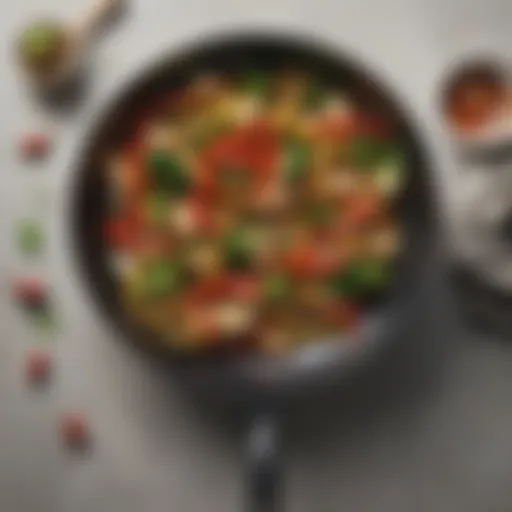
One-pot meals are a cornerstone of practical cooking during emergencies. They emphasize simplicity and require minimal cooking tools, making them especially valuable when resources are limited. The beauty of one-pot meals lies in their versatility; you can toss together various ingredients—whether rice, beans, or canned goods—into a single pot and create a hearty dish.
The key characteristic here is efficiency. With one-pot meals, there's little cleanup involved since everything cooks together, reducing the strain that can come from managing multiple dishes. They also allow for creativity with whatever you have on hand. However, a unique aspect of this cooking technique is that it may lead to a lack of variety in meals over an extended period. When crafting your emergency kit, include easy recipes for one-pot meals that can balance flavor and nutrition.
"One-pot meals provide flexibility, accommodating ingredients based on availability while ensuring nourishment is not compromised."
Snack Options
Snack options are often underestimated but play a vital role in an emergency meals kit. These small bites can help maintain energy levels, especially when main meals may be fewer or less filling. Think of items like protein bars, nuts, or dried fruits. The key characteristic here is portability; snacks can be easily grabbed on the go, allowing individuals to maintain their strength on busy days during crises.
Unique features of snacks include their long shelf life and their ability to require no preparation—ideal for urgent situations. However, one possible disadvantage is that fulfilling nutrition needs solely through snacks can lead to imbalances over time. Therefore, incorporating well-rounded snacks that provide essential nutrients is crucial.
Utilizing Minimal Resources
Cooking Without Power
The capability to cook without power is crucial in emergency scenarios, particularly during blackouts or natural disasters. This aspect teaches us to lean on resourcefulness instead of dependence on electricity. Cooking methods such as utilizing a campfire, solar oven, or even a simple hand-powered stove can conserve energy and keep food preparation going.
The strength of cooking without power emphasizes resilience and adaptability. It encourages individuals to learn different methods of preparing food, ensuring survival. However, the downside might be the need for slightly more preparation time or the availability of adequate materials to cook effectively. Being prepared with knowledge about various cooking techniques can be invaluable.
Portable Cooking Tools
Portable cooking tools simplify the process of preparing meals in emergency situations. These items range from compact camp stoves to simple utensils like multi-tools that can serve multiple functions. The beauty of using portable tools lies in their convenience and ease of storage, making them ideal for emergency kits.
They allow flexibility and help maximize what's available. Still, one must be cautious, as some portable tools may not be sturdy enough for extended use. Selecting high-quality, durable products for your kit ensures they can hold up when needed. In adapting these tools for emergency cooking, focus on choosing ones that require minimal fuel and come with backup options if possible.
Lifesaving Resources and Further Readings
Understanding the landscape of emergency preparedness doesn’t just stop at assembling a food kit. It requires ongoing learning and awareness of your local support system and resources. This section is pivotal, connecting individuals and families to vital information that can save lives during crises. These resources can enhance your preparedness strategy, ensuring you are not alone when disaster strikes.
Government and Community Resources
Emergency Services Information
Emergency services information is a cornerstone of effective preparedness. This includes updates about local shelters, evacuation routes, and even hotlines for distressed individuals. Knowing how to reach out to these services during a crisis can be a lifesaver. In this article, the emphasis on this information is not only beneficial but necessary, as it reduces panic and clarifies available assistance.
A key characteristic of emergency services is their immediacy. For instance, many communities offer alerts through systems that text or call residents during emergencies. This unique feature helps keep everyone informed, especially when time is of the essence. The advantages are clear: timely updates can guide you on safe practices and resources.
Nevertheless, a potential disadvantage might be the dependency on technology. Not everyone has access to a phone or the ability to respond quickly to alerts, particularly in underserved regions. Keeping a printed list of emergency contacts and services can mitigate this issue, ensuring that resources are accessible to all.
Local Food Banks
Local food banks provide a critical resource during times of crisis, acting as safety nets for individuals and families facing food insecurity. They play a large role in community resilience, ensuring that everyone has at least some semblance of sustenance during emergencies. In the context of this article, food banks represent a significant coordination of efforts that reinforce the idea that no one should go hungry, even when adverse events occur.
What makes food banks particularly notable is their adaptability. Many have recently expanded their operations to include hot meals in addition to non-perishable items. This feature enhances their utility greatly, as it can provide immediate relief instead of just long-term stockpiles of food. However, it’s worth noting that food banks may have limited supplies and don’t operate all the time. Always check their operating hours and availability before you rely on them as a resource.
Additional Reading and Tools
Books on Emergency Preparedness
Books dedicated to emergency preparedness offer a treasure trove of information. They delve into various aspects, from planning meals to developing a full-fledged emergency strategy. This form of literature is unique in that it becomes a bottom-line resource, consolidating what you need to know into manageable chunks. These books provide a comprehensive view that caters to everyone, regardless of their experience level.
A distinctive feature of many of these books is their practical exercises. They often include checklists, scenarios, and even meal planning templates—tools that bring the concepts to life. A strong advantage of these resources is the depth of knowledge they contain, yet they might sometimes lack real-time updates on local resources. Pairing a book with current online information can bridge that gap effectively, ensuring that your knowledge stays fresh and relevant.
Online Forums and Communities
Engaging with online forums and communities can dramatically enhance your understanding of emergency preparedness. These platforms offer a communal approach to sharing knowledge, where experiences and tips are exchanged freely. Many find these interactions invaluable as they bring different perspectives and practical advice that books sometimes cannot encompass.
The beauty of online communities lies in their immediacy and accessibility. People share their personal stories, ask questions, and get quick feedback, building a solid network of support. However, it’s essential to navigate these spaces cautiously. Not every piece of advice is reliable, and misinformation can be harmful. Engaging with well-moderated forums is crucial to get the most accurate data possible.