Discovering the Richness of Cranberry Beans


Intro
Cranberry beans, often overlooked in the bustling world of legumes, are more than just a pretty face in the pantry. With their distinctive mottled red and white skin, they carry an aesthetic appeal that brightens any dish they grace. Originating from South America, these beans have found their way into various culinary practices across continents, adding depth and nourishment to countless recipes. In recent years, as health-conscious lifestyles have gained traction, the spotlight on cranberry beans has intensified, uncovering their nutritional benefits and versatility.
Not just a staple in Latin American households, cranberry beans have crossed borders, fitting seamlessly into the fabric of Mediterranean and even Asian cuisines. This article aims to peel back the layers of this humble bean, exploring its botanical traits, historical significance, and culinary potential.
As we dive deeper, readers will uncover the essential nutritional value packed in these beans, alongside optimum storage methods to ensure longevity and freshness. By embracing the cranberry bean, one can enhance their meals, turning ordinary recipes into vibrant, healthful experiences.
Buckle up for a journey that transcends borders, cultures, and culinary practices, reminding us why the cranberry bean deserves a prominent seat at our dining tables.
Prelims to Cranberry Beans
Cranberry beans may not be the first legume that springs to mind when thinking about kitchen staples, yet they possess a unique charm and an array of benefits that warrant a closer look. Their intriguing appearance, featuring a striking maroon and cream pattern, goes hand in hand with a delightful earthy flavor that can elevate numerous dishes. This section serves as a primer on why these beans are significant, especially in relation to their diverse uses and nutritional profile.
Definition and Overview
Cranberry beans, scientifically known as Phaseolus vulgaris, are a type of common bean recognized for their distinctive color and delicate taste. They are often mistaken for pinto beans but boast a lighter texture and a slightly nuttier flavor. The beans, when cooked, turn a beautiful creamy color, making them visually appealing in a variety of culinary creations.
In terms of nutrition, cranberry beans are a powerhouse. They are rich in protein, fiber, and numerous vitamins and minerals, making them a commendable addition to a balanced diet. Their versatility is quite refreshing; whether in soups, salads, or as a base for hearty mains, cranberry beans have the ability to blend seamlessly into a myriad of cuisines. Additionally, they have a respectable shelf-life, whether canned or dried, and thus offer practicality in meal planning.
Cultural Significance
The historical and cultural importance of cranberry beans can’t be overstated. In many regions, these beans have been foundational ingredients, often featured prominently in traditional recipes. For example, in parts of Italy, you might find cranberry beans in minestrone or alongside pasta and seasonal vegetables, reflecting the simplicity and healthfulness of Mediterranean cuisine.
Across the Atlantic, they also find their way into North American dishes that reflect both indigenous practices and contemporary culinary trends. Their presence in various cultural contexts illustrates not just the bean's adaptability, but its ability to connect people through shared culinary experiences.
Besides their use in everyday cooking, cranberry beans are sometimes celebrated in festivals that emphasize local produce, reminding us of the importance of supporting sustainable agriculture and embracing local flavors. This aspect highlights the significance of tradition and communal meals, which are integral to human experience.
"Food is more than just sustenance; it often embodies the history and values of a culture, and cranberry beans serve as a tasty reminder of this truth."
In summary, the introduction to cranberry beans paves the way for a deeper understanding of their nutritional properties and their resonant place in kitchens around the globe. Their longstanding history and the evolving ways they’re used in modern cuisines enrich the landscape of food culture, making it essential for food lovers, chefs, and health-conscious individuals to take note of this remarkable legume.
Botanical Characteristics
Understanding the botanical characteristics of cranberry beans is essential for appreciating their unique role in gastronomy and agriculture. This section delves into their classification and distinctive physical attributes, offering insight into how these qualities shape their use in various cuisines. Knowledge of these characteristics can empower food lovers to make informed decisions in the kitchen, enhancing their culinary creations with an ingredient rich in heritage and flavor.
Classification and Family
Cranberry beans belong to the legume family, specifically in the species Phaseolus vulgaris. They are closely related to kidney beans and black beans, sharing common traits that make them a staple in many diets around the globe. The classification of cranberry beans highlights their adaptability; they thrive in diverse climates, making them a valued crop in both traditional and modern agriculture.
Legumes like cranberry beans are known for their nitrogen-fixing ability, which enriches the soil and supports sustainable farming practices. Moreover, they are part of a wider category that embraces other beans and pulses, each contributing uniquely to cultural cuisines and nutritional needs across the world.
Physical Attributes
A key factor that elevates cranberry beans in culinary discussions is their physical attributes, which play a vital role in their identifiability and utility in dishes. They boast a charming blend of color and shape that not only captivates the eye but also influences their cooking functionalities.
Color and Markings
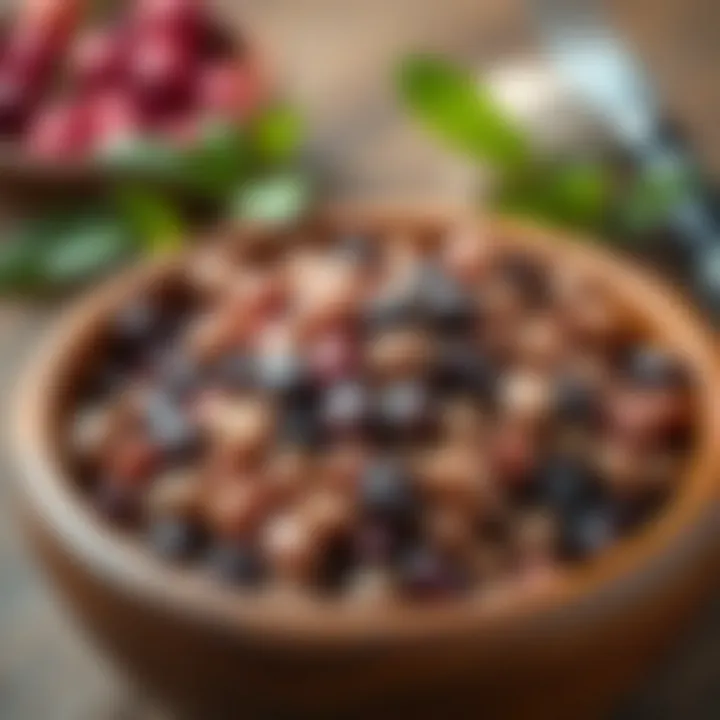
Cranberry beans are renowned for their distinct coloration—a beautiful maroon or reddish-brown base adorned with striking, cream-colored mottles. This vivid appearance makes them a popular choice among cooks wanting to add visual appeal to their dishes. The beauty of their color and markings not only draws attention but also signifies their freshness and quality.
From a culinary perspective, the color of cranberry beans can influence how they blend into a dish. A colorful presentation is often enticing, prompting diners to appreciate not just the taste but also the aesthetic appeal of the meal. However, a disadvantage might be their susceptibility to discoloration if exposed to prolonged soaking or cooking, thus requiring careful handling.
Size and Shape
Cranberry beans are medium-sized, oval-shaped legumes that are slightly larger than navy beans but smaller than kidney beans. This size makes them incredibly versatile, suitable for various cooking methods, from simmering in soups to being included in salads. The optimal size allows them to absorb flavors well while maintaining their structural integrity in dishes.
Their shape also contributes to their usability. Being oval, they fit well in a pot and allow for even cooking. However, their medium size can present a few challenges; for instance, they may require more time to cook than smaller varieties, which can be a consideration when planning meals or recipes.
Overall, understanding the botanical characteristics of cranberry beans helps to appreciate their culinary value. These attributes not only define the beans themselves but also influence how they are integrated into regional dishes, making them an integral part of various culinary traditions.
Historical Context
Understanding the historical context of cranberry beans provides a backdrop that illuminates their significance in both agriculture and cuisine. These beans are not just a mere ingredient; they symbolize the intersection of cultural traditions and the evolution of food practices. The journey of cranberry beans stretches far back in time, revealing a rich tapestry of cultivation and adaptation.
Origins and Cultivation
Cranberry beans, known scientifically as Phaseolus vulgaris, have a storied past that is intertwined with the agricultural advancement of Mesoamerican civilizations. Archaeological findings suggest that these beans were cultivated by indigenous populations over 7,000 years ago. As these societies flourished, so did their agricultural practices, leading to the development of diverse bean varieties, with cranberry beans being a prominent choice for many.
The cultivation of cranberry beans spread to different parts of the Americas as trade routes and exploration expanded. Notably, they became a staple in the Northeastern United States in the 19th century. During this era, farmers recognized the beans' unique qualities, not just for their flavor but also for their adaptability in various soil types. The rise of cranberry beans can also be attributed to their resilience against pests and diseases, making them a reliable crop for sustenance.
To grow these beans successfully, it is essential to consider the environmental conditions. Cranberry beans prefer well-drained soil and benefit from a sunny location. Farmers often practice crop rotation to maintain soil fertility, which has historical roots in indigenous farming methods.
“Beans are a fundamental part of our diet; their journey is closely linked to our evolution as a society.” – Unknown
Evolution Over Time
As time trudged along, the cultivation and culinary uses of cranberry beans evolved significantly. The beans have traveled from the farmland of ancestral tribes to modern-day kitchens worldwide. Their journey reflects not only agricultural evolution but also shifts in culinary trends.
In the mid-20th century, with the advent of fast food culture, many traditional cooking methods began to wane. However, as interest in health-conscious eating and sustainable practices has surged, cranberry beans have gained renewed popularity among food enthusiasts. Chefs and home cooks alike are embracing these beans for their nutty flavor and creamy texture. The bean's ability to absorb flavors makes it a fantastic ingredient in various cuisines, from Italian spaghetti e fagioli to Mexican frijoles de la olla.
Today, cranberry beans find themselves in the spotlight of culinary trends that emphasize plant-based diets and sustainability. As people increasingly seek out nutrient-dense foods, these beans stand out as a powerhouse of protein, fiber, and essential nutrients. This evolution is not just about cooking but also encompasses the growing movement toward organic farming and the appreciation for heirloom varieties.
In summary, the historical journey of cranberry beans from their ancient origins to contemporary kitchens illustrates their importance beyond just nutrition. They encapsulate a story of adaptation, cultural exchange, and transformation that continues to resonate in today’s culinary landscape. Food lovers and health-conscious individuals alike are discovering the value of these beans, ensuring their legacy carries on into the future.
Nutritional Profile
Cranberry beans stand out not just for their eye-catching appearance, but also for their impressive nutritional profile. Understanding the macro and micronutrients they contain helps to highlight why these beans deserve a place in diverse diets. Their unique blend of nutrients contributes to overall health and well-being, making cranberry beans a wise choice for health-conscious individuals and food enthusiasts alike.
Macro and Micronutrients
Protein Content
One of the key selling points of cranberry beans is their substantial protein content. Providing about 8 grams of protein per half-cup serving, these beans offer a robust source of plant-based protein. This characteristic makes them particularly appealing for vegetarian and vegan diets, where protein sources can be limited. The protein found in cranberry beans contains many essential amino acids, which are crucial for muscle repair and growth. Including them in meals can help sustain energy levels and satiate hunger, making it easier to resist unhealthy snacks throughout the day.
Fiber Levels
In addition to protein, cranberry beans are packed with fiber. A half-cup serving offers around 6 grams of dietary fiber, which is essential for a well-functioning digestive system. Fiber aids in promoting regular bowel movements, preventing constipation, and supporting gut health. It also plays a role in prolonging feelings of fullness, which can help manage body weight. Given the modern diet's tendency to lack adequate fiber, incorporating cranberry beans can address this shortcoming quite effectively.
Vitamins and Minerals
Cranberry beans are also rich in vitamins and minerals, crucial for maintaining overall health. They boast significant amounts of iron, potassium, and magnesium, each playing unique roles in the body. Iron is vital for oxygen transport in the blood, while potassium helps regulate fluid balance and muscle contractions. Magnesium contributes to energy production and supports healthy bones. When included in a balanced diet, these nutrients from cranberry beans can foster better health outcomes and assist in preventing nutrient deficiencies.
Health Benefits
Impact on Digestion
The impact on digestion cannot be understated. The high fiber content directly contributes to the health of the gastrointestinal tract. Studies reveal that diets rich in fiber reduce the risk of developing digestive disorders. Fiber enhances the gut flora, promoting beneficial bacteria's growth, which is essential for digestion. It also aids in the prevention of issues such as bloating and constipation, common complaints in many diets today.
Cardiovascular Health
Cranberry beans can play a role in promoting cardiovascular health. The combination of fibers and antioxidants found naturally in these beans contributes to lower cholesterol levels, which is significant for heart health. Regular consumption may also help to regulate blood pressure. The low glycemic index of cranberry beans means they can help in maintaining stable blood sugar levels, further adding to their cardiovascular benefits.


Diabetes Management
For diabetes management, cranberry beans provide an efficient means of controlling blood sugar levels. Their fiber helps slow down the absorption of sugars into the bloodstream, prevent spikes in blood glucose. Furthermore, these beans offer a source of complex carbohydrates that sustain energy release, which is crucial for individuals managing diabetes. By incorporating cranberry beans into meals, individuals can enhance their dietary plans effectively while keeping their blood sugar levels in check.
Incorporating cranberry beans into your diet can support not just individual health goals but also contribute positively to overall well-being.
Overall, the nutritional profile of cranberry beans showcases their role as a healthy, versatile option for various dietary needs. By understanding these aspects, readers can better appreciate their significance and integrate them into their culinary practices.
Culinary Uses
Cranberry beans are versatile players in the kitchen, and their culinary applications truly showcase their unique texture and flavor profile. This section discusses the many ways these beans can be used, emphasizing not just their uses but also the benefits and considerations for incorporating them into various dishes. By exploring different culinary methods, readers can better appreciate the potential of cranberry beans in their own cooking endeavors.
Preparation Techniques
Soaking Methods
Soaking cranberry beans is an essential step that greatly influences their texture and taste. This technique hydrates the beans, allowing them to cook more evenly when prepared. A key characteristic of soaking is that it helps in reducing cooking time significantly. It’s a beneficial choice, especially for those who may want a quicker meal without compromising flavor.
The unique feature of soaking is its capacity to soften the beans, making them less prone to splitting during cooking. However, one disadvantage is that it requires planning ahead, as beans typically need to soak for several hours or overnight. For quick fixers, a good alternative is to use the quick-soak method—bringing the beans to a boil for a few minutes and then letting them sit for an hour before cooking.
Cooking Methods
Cooking cranberry beans is where the magic truly happens. Depending on how you want them to taste and feel, you can choose between several methods such as boiling, baking, or even slow cooking. Each method contributes distinctly to the overall dish. Boiling is a common method that allows the beans to retain their shape, making it a popular choice for those crafting wholesome salads and side dishes.
One notable aspect is that these beans can absorb flavors well from spices and herbs during cooking. This makes them a valuable ingredient for experiments with various cuisines. On the flip side, cooking them incorrectly can lead to mushiness, which might not align with the intended smooth texture for dishes.
Incorporating Cranberry Beans into Dishes
Salads
Adding cranberry beans to salads introduces a delightful texture and nutty flavor, elevating a simple dish into something more satisfying. The beans add not just protein but also color, with their lovely maroon specks contrasting with fresh greens. Their versatility makes them adaptable; they can pair well with fruits, such as oranges and pomegranates, creating a beautiful balance between sweetness and earthiness.
A defining feature of salads is that they can be served cold or warm, which allows for seasonal adjustments. For instance, a warm bean salad with roasted vegetables can be comforting in colder months. But beware, as freshness is crucial; using canned beans might not provide the same flavor depth as freshly cooked ones.
Soups
Cranberry beans are a fantastic choice for soups, providing heartiness and richness. Their creamy texture when cooked to perfection enhances the broth, making every spoonful feel luxurious. Plus, their ability to absorb flavors means they really shine in recipes loaded with herbs and spices.
A striking characteristic of soups is their forgiving nature—different ingredients can be tossed in without causing a fuss. This adds to their appeal as they adapt easily to what's available. However, overly long cooking times without watchfulness can lead to beans turning too soft, which may clash with the desired chunkiness of a hearty soup.
Main Courses
Using cranberry beans in main courses opens up a world of possibilities. They can be incorporated into dishes like stews or casseroles, where their robust nature makes them a suitable alternative to heavier protein sources. Their presence adds depth to the dish, paired well with a mix of vegetables or meats.
Their adaptability is a notable trait; whether you are making a vegetarian chili or a meat-based dish, cranberry beans fit right in. Caution, however, is needed when balancing flavors, as too many strong seasonings can overwhelm the beans' lovely subtle flavor.
Side Dishes
In side dishes, cranberry beans can act as a wonderful accompaniment to various meals, from grilled meats to roasted veggies. Their creamy texture offers a satisfying mouthfeel that can enhance the overall dining experience. A simple preparation—perhaps sautéed with garlic and spinach—can turn an ordinary meal into something special.
A major advantage here is versatility; cranberry beans can be seasoned in numerous ways. However, one downside is that without proper seasoning, they might taste bland on their own. Therefore, pairing them with robust flavors is essential to highlight their appealing characteristics.
In summary, cranberry beans are not just nutritious but also incredibly versatile in culinary practices. Whether enjoyed in salads, soups, main dishes, or as delightful side options, they offer a multifaceted approach to healthy eating.
Storage and Preservation


When it comes to maintaining the quality and viability of cranberry beans, understanding the nuances of storage and preservation is essential. Proper techniques not only prolong the shelf life of these beans but also help in retaining their unique flavor and nutritional benefits. The endeavor of keeping cranberry beans fresh and ready for culinary adventures calls for a bit of commitment and, more importantly, some good old-fashioned know-how.
Fresh versus Dried
Fresh and dried cranberry beans each offer distinct advantages and considerations, deserving their own appreciation in the culinary world. Fresh beans present a delightful burst of flavor and a tender texture that can enhance any dish. However, they have a much shorter lifespan, typically requiring immediate usage or preservation soon after harvest. Fresh cranberry beans, when kept in a cool, dry place, last about a week in the fridge, but it’s a race against time as they can spoil rapidly.
On the flip side, dried cranberry beans have a significantly longer shelf life, often stretching into years if stored properly. While they may not provide the same immediate freshness as their counterparts, dried beans can be an excellent pantry staple. They are typically also more cost-effective. One must consider, however, that prior to cooking, dried cranberry beans require soaking—an initial step that can be time-consuming, though most agree it is well worth the effort for the depth of flavor they bring to the table.
Best Practices for Longevity
To enhance the longevity of both fresh and dried cranberry beans, there are several key practices one should follow:
- For fresh beans:
- For dried beans:
- Store them in a breathable bag, like a paper or cloth bag, instead of plastic, to reduce moisture buildup.
- Keep them in the vegetable drawer of your refrigerator, where cool temperatures preserve their freshness.
- Avoid stacking them too high to prevent bruising which can lead to quicker spoilage.
- Place them in an airtight container, preferably glass or plastic with a tight-fitting lid, to keep moisture out and prevent pest infiltration.
- Stored in a cool, dry, and dark place—like a pantry or cupboard—will extend their shelf life significantly.
- Ensure that the beans are free from any moisture before sealing. Exposure to air lets in moisture, leading to mold growth and degradation of quality.
"The right storage isn't just about keeping beans; it's about keeping their essence alive for culinary masterpieces to come."
By adhering to these practical tips, food lovers can ensure that their cranberry beans remain viable for cooking long after their initial purchase. In a world where ingredients are paramount to culinary success, the importance of proper storage cannot be overstated. Keeping cranberry beans preserves not only their taste but the exciting ways they can enrich our meals.
Global Recipes Featuring Cranberry Beans
Cranberry beans are more than just a nutrition powerhouse; they're a world traveler in the culinary scene. Their international popularity stems from their unique flavor and adaptability, making them a choice ingredient in various cuisines. This section will explore the traditional dishes and modern adaptations that highlight the versatility of cranberry beans. Understanding these global recipes not only enhances your cooking repertoire but also connects you to the cultures that cherish these beans.
Traditional Dishes
Cranberry beans have made a home in an array of traditional recipes across the globe. Their robust flavor and creamy texture lend themselves well to a variety of preparations. Here are a few classic dishes that highlight their culinary potential:
- Tuscan Bean Soup: Originating from Italy, this hearty soup incorporates cranberry beans along with fresh vegetables like carrots, celery, and tomatoes. The beans provide a rich, comforting flavor that makes this dish ideal for chilly evenings.
- Feijoada: A Brazilian black bean stew that famously showcases various meats, can also incorporate cranberry beans for a twist. The beans absorb the smokiness of the meats, making every spoonful satisfying and full of tradition.
- Cranberry Bean Salad: Particularly popular in regions like South America, this salad combines cranberry beans with onions, peppers, and a zingy vinaigrette, offering a fresh and vibrant side dish.
- Baked Beans: In some parts of the U.S., cranberry beans blend seamlessly into baked bean recipes, where they are simmered with molasses, brown sugar, and bacon, resulting in a sweet and savory dish that’s a staple at barbecues.
These traditional dishes not only bring out the flavors of the cranberry bean but also serve as a medium for cultural expression. They tell stories through their ingredients and cooking methods that have been passed down through generations.
Modern Adaptations
As culinary trends evolve, so do the ways we incorporate cranberry beans into our meals. Modern chefs and home cooks alike are reimagining how these beans can fit into contemporary recipes. Here are some innovative ideas that show just how flexible cranberry beans can be:
- Cranberry Bean Hummus: A twist on the classic chickpea version, this creamy dip marries roasted garlic and lemon juice with cranberry beans, creating a smooth spread perfect for appetizers.
- Stuffed Peppers: In a modern take, bell peppers get filled with a mixture of cranberry beans, quinoa, and spices, baked until tender. This meal caters to those seeking healthy alternatives without sacrificing flavor.
- Pasta Dishes: Cranberry beans can be tossed into pasta dishes as a protein source, adding texture and depth. For example, a simple pasta with tomato sauce gets an upgrade when paired with sautéed cranberry beans for a hands-on dish.
- Breakfast Burritos: Integrating cranberry beans into breakfast burritos offers a hearty start to the day. Combined with eggs, avocado, and cheese, they become a nourishing meal packed with flavor.
Modern adaptations keep the essence of cranberry beans intact while pushing the boundaries of how we enjoy them. The creativity in these dishes showcases that even ancient ingredients can find fresh life in today’s kitchens.
"Exploring global recipes with cranberry beans can turn a simple meal into a culinary journey, stimulating both the palate and the mind."
Epilogue
As we dive into the conclusion of our exploration, it’s crucial to reflect on the multifaceted nature of cranberry beans and their important role in both our diets and culinary traditions. These beans are not merely a food item; they embody a rich history, significant nutritional value, and culinary versatility that can adapt to different cultural contexts. This final segment aims to synthesize the key elements discussed throughout, illustrating why understanding cranberry beans is essential for food enthusiasts and culinary explorers alike.
Recap of Key Points
To recap, we embarked on a journey through the botanical characteristics of cranberry beans, discovering their distinct flavors and appearance. We found that these beans belong to the Phaseolus vulgaris family, offering a unique reddish-brown and white mottled look that sets them apart. Historically, they have been cultivated for centuries, particularly in regions like Central and South America, where their significance runs deep in cultural narratives.
Nutritionally, cranberry beans are a powerhouse. Rich in protein and fiber, they contribute to a balanced diet, making them a valuable addition for health-conscious eaters. Their role in supporting digestion, maintaining cardiovascular health, and aiding in blood sugar management was outlined as paramount benefits of their consumption.
In the kitchen, their adaptability shines through. Whether in hearty soups, vibrant salads, or comforting main courses, the versatility of cranberry beans knows no bounds. Additionally, proper storage practices ensure they remain a staple in households, ready to enhance meals at any time.
Future of Cranberry Beans in Culinary Practices
Looking ahead, the future of cranberry beans in culinary practices appears promising. As more chefs and home cooks alike seek out wholesome, plant-based ingredients, the appreciation for legumes, specifically cranberry beans, is likely to grow. It is not only about sustenance but also about embracing more sustainable and eco-friendly cooking methods. Their ease of preparation and the array of flavors they pair well with make them an attractive ingredient going forward.
As food trends evolve, particularly with the rising interest in global cuisines, integrating cranberry beans into new recipes can help sustain their relevance. Innovations in usage, like incorporating them in vegan dishes or grain bowls, might redefine their place in modern gastronomy.