Mastering Pollock Fish: Cooking Techniques and Tips


Intro
Pollock fish, often overshadowed by its more popular counterparts like salmon or cod, has carved its niche in the culinary world. Whether found in fish and chips or as a healthy alternative in various dishes, pollock stands out not just for its taste but also for its numerous health benefits. As more and more kitchen enthusiasts and home cooks explore the realms of cooking, understanding how to prepare this fish can open the door to new savory experiences.
In this comprehensive guide, we’ll navigate through every step necessary for creating delicious pollock dishes. From understanding the fish's flavor profile to uncovering various cooking techniques, we aim to equip both beginners and seasoned cooks with essential knowledge and skills. We will delve into the nutritional aspects, enhancing the reader's appreciation for this versatile ingredient, while also providing practical tips for meal prep and storage. With the right approach, preparing pollock can be as simple as pie, and the result is a dish packed with flavor and nutrients.
Join us as we embark on a journey through the world of pollock, and discover everything from recipes to pairing suggestions that can elevate your cooking game.
"Cooking with fresh ingredients is like painting with a fresh canvas - the possibilities are endless."
This guide not only serves to inform but also aspires to inspire creativity in the kitchen. Buckle up as we dive deep into the art of preparing pollock fish.
Understanding Pollock Fish
Pollock is a fish that has garnered attention for its versatile nature in the culinary world. Understanding Pollock essential lays groundwork for anyone eager to dive into the dynamics of cooking with this fish. From its unique flavors to its many health benefits, readers will obtain a fresh perspective on what Pollock has to offer. Knowing its characteristics allows cooks of all skill levels to make informed choices, ultimately enhancing their dishes.
Nutritional Profile
Vitamins and Minerals
Pollock is a trove of vital vitamins and minerals. It houses a good amount of Vitamin B12, which is necessary for maintaining healthy nerve cells and producing DNA. Furthermore, it contains minerals like selenium and phosphorus, both playing pivotal roles in various bodily functions. A standout feature is its low calorie content while still providing these essential nutrients, making it a popular choice among health-conscious individuals. Many opt for Pollock not only for taste but also for its ability to contribute positively to their nutritional goals.
Protein Content
When it comes to protein, Pollock packs a punch. It delivers a high-quality source of lean protein, containing about 20 grams of protein per fillet. This makes it incredibly beneficial for muscle development and repair. The ease of digestibility is another attractive characteristic here; it allows the body to absorb the protein efficiently. Athletes and fitness enthusiasts particularly favor this fish for its ability to satiate hunger while keeping overall fat content low. Pollock’s protein content truly stands out—it’s not just filling but also nourishing.
Health Benefits
The health benefits of Pollock extend beyond just its nutritional profile. Being rich in Omega-3 fatty acids, it supports heart health by aiding in lowering cholesterol levels. Additionally, it offers anti-inflammatory properties that can reduce the risk of chronic diseases. This fish is low in mercury compared to larger fish, making it safer to consume regularly. The unique benefit of including Pollock in your diet is that it meets the criteria for a food that is both delicious and nutritionally advantageous.
Taste and Texture
Flavor Characteristics
Pollock provides a mild flavor that can easily adapt to various culinary styles. Unlike stronger fish like salmon or tuna, Pollock remains pleasantly subtle, allowing it to pair wonderfully with diverse spices and herbs. This adaptability makes it an excellent base for sauces and marinades, especially for those looking to introduce fish into their meals without overwhelming their palate. The balanced taste is truly one of Pollock's key characteristics, granting it a versatile role in dishes.
Comparison with Other Fish
In comparison to other fish, Pollock shines due to its affordability and availability. It is often found in frozen or processed forms, such as fish sticks or fillets, making it a more accessible option for everyday consumers. Moreover, unlike some more oily fish, Pollock maintains a firm and flaky texture when cooked, which can be a significant factor for those who prefer a lighter dining experience. This unique feature of enjoying a clean bite without excessive greasiness sets it apart from some other common fish options, making them a standout choice without a hefty price tag.
"Pollock is not just a fish; it's a culinary canvas waiting for your creativity to bring it to life!"
In summary, understanding Pollock fish is crucial for any cooking enthusiast. With a dietary profile that supports healthy eating and distinct flavor that easily compliments numerous cooking techniques, it stands as an important ingredient in the home kitchen.
Selecting Fresh Pollock
When it comes to cooking a delicious meal with pollock, starting with fresh fish makes all the difference. Selecting good quality pollock ensures that you’ll have a more vibrant flavor and an enjoyable bite, contributing to a satisfying culinary experience. This section will serve as your guide to finding the best pollock available by discussing where to buy it and what quality indicators to look for.
Where to Buy
Fish Markets
Fish markets can be a treasure trove for seafood lovers looking for the freshest catch. These specialized vendors usually have a wide variety of fish, including pollock, often sourced from local or regional fisheries. One of the key characteristics of fish markets is their freshness; fish is typically sold the same day it’s caught, ensuring that you’re getting peak flavor and quality.
Buying pollock at a fish market can be a beneficial choice for those who appreciate the vibrant atmosphere and the opportunity to interact with knowledgeable sellers. You can ask questions about the fish's origin or the best way to prepare it. However, it's essential to visit well-regarded markets to avoid poor-quality products.
Grocery Stores
In contrast, grocery stores provide a more convenient option for purchasing pollock. They generally stock a variety of seafood, including frozen and fresh options. The key characteristic of grocery stores is their accessibility; most people can find a store nearby, making it easy to swing by and pick up ingredients.
However, grocery store fish often lacks that same freshness found at fish markets. The selection might be limited, and it's not uncommon for products to sit in the display longer than ideal. Inspecting the package and checking the sell-by date is crucial to ensure you’re getting a quality product.
Online Sources
In the age of technology, many seafood lovers turn to online sources for their pollock. Various websites specialize in delivering fresh seafood straight to your door. An attractive aspect of these services is the convenience; you can browse a selection from the comfort of your couch, often with direct access to countrywide sustainable fishing practices.
However, there are some drawbacks. Shipping times can affect freshness, and you might not get to inspect the fish before buying. It's important to read customer reviews and check if the supplier offers proper packaging to maintain quality during transit.
Quality Indicators
When selecting pollock, familiarizing yourself with its quality indicators is vital. Proper appearance, smell, and texture are the three primary aspects to consider.
Appearance
Appearance is your first impression of pollock, and it matters immensely. Fresh pollock should have vibrant, clear eyes and moist skin that glistens. A lackluster look or cloudy eyes can be a warning sign of age. The fish's flesh should appear firm and not overly slimy. This visual inspection helps you avoid subpar products that might ruin your dish.
Smell
The next step when evaluating pollock is the smell. Fresh fish carries a mild, oceanic aroma. A strong, fishy odor is usually a red flag indicating the fish has begun to spoil. If you're shopping in person, getting a whiff of the fish can guide your decision. It’s all about that appealing, briny scent; anything else shouldn't pass your smell test.
Texture
Finally, texture plays a huge role in determining freshness. Fresh pollock should feel firm and springy when pressed. If the flesh easily falls apart or feels mushy, it’s best to put it back. A good texture indicates a quality product that will yield a satisfying eating experience when cooked.
In summary, investing time in selecting fresh pollock will set you up for culinary success. Whether you're shaking hands with a fishmonger or scanning the aisles of your local grocery store, being informed will help you make the best decision for a delectable pollock dish.
"Good cooking is all about using quality ingredients. Starting with fresh pollock is a crucial step for a successful dish."

For more insights into seafood selection, you might find the following resources helpful:
By considering these tips in selecting and understanding fresh pollock, you gear yourself for an enjoyable cooking and dining experience.
Preparing Pollock for Cooking
Preparing Pollock fish is an essential step that sets the stage for a flavorful and satisfying meal. This phase involves multiple important techniques that can greatly enhance the overall culinary experience. When you prepare Pollock properly, you not only maintain the delicate flavor of the fish but also ensure that it is safe and appetizing to eat. Whether you're a novice in the kitchen or an experienced home chef, understanding how to effectively clean, fillet, and marinate Pollock is crucial. It’s the difference between a good dish and a great one.
Cleaning and Filleting
Scaling the Fish
Scaling Pollock is the first step to get started with your cooking journey. It's fundamental to removing the tough, protective outer layer of scales that can impede on the fish’s flavor and texture. This technique stands out because, without it, you're left with an undesirable chewing experience. To scale a Pollock effectively, the use of a fish scaler or the blade of a knife can work wonders.
One key feature of this step is the ease with which scales can be removed, as Pollock's skin isn't particularly tough compared to other species. However, it can be a rather messy endeavor. The scales tend to fly everywhere, which is a consideration if you're cooking in a tighter space. Keeping a damp cloth at hand during scaling can help mitigate this issue.
This process not only preserves the quality of the meat but also enhances the visual appeal of the fillets. Thus, scaling Pollock fish becomes a beneficial choice not just for taste, but also for presentation. The unique feature here lies in its simplicity; even those not particularly adept in the kitchen can manage this task with a little practice.
Removing the Bones
Once you've scaled the fish, the next step is to remove the bones. This aspect of preparation is vital as it contributes significantly to the overall enjoyment of the meal. A bone-free fillet allows diners to appreciate the taste and texture of the fish without any interruptions. Removing bones can be accomplished manually using tweezers or a specialized fish bone plier.
Pollock generally has relatively few bones compared to larger fish, which makes it a user-friendly option for meal prep. That said, attention must be paid to ensure all the little pinbones are pulled out, as finding one mid-bite can ruin an otherwise lovely dining experience. The added advantage is that those who are new to cooking can easily learn how to fillet a Pollock properly, as the bone structure is uncomplicated, making it a great training ground.
Marinating Options
Citrus Marinades
Using citrus marinades can work wonders for Pollock. The acidic nature of citrus not only enhances flavor but also helps to tenderize the fish. The use of lemon or lime juice in a marinade brings forth a light, zesty profile that complements the subtle nature of Pollock perfectly. It’s a popular choice for many cooks due to its versatility and ease of access, as lemons and limes are typically abundant in grocery stores.
One distinctive characteristic of citrus marinades is their ability to infuse flavor fairly quickly. A simple marinade of lemon juice, olive oil, salt, and pepper can bring life to the taste of Pollock in under 30 minutes. However, it's crucial not to marinate for too long, as the acid can actually start to cook the fish. Finding that balance can truly elevate your dish while maintaining the fish’s texture and integrity.
Herbal Infusions
Herbal infusions are another brilliant way to prepare Pollock for cooking. These marinades provide an aromatic depth that can take a straightforward dish to gourmet levels. Incorporating herbs such as dill, parsley, or even basil allows you to create a typically light fare feel that cuts through the richness of the fish. The advantage of using herbs lies in their health benefits and flavor-enhancing properties.
The unique feature of herbal marinades is their flexibility; they can be mixed and matched to cater to individual preferences. For instance, you can create a refreshing combo of dill and garlic for a classic taste, or opt for a spicier experience with cilantro and jalapeño. Being able to adapt your marinade to suit your taste or dietary needs makes this a favorable option. While sometimes more time-consuming than citrus, the end results can often be well worth the effort.
Remember that the preparation methods you choose not only affect the taste but also the overall enjoyment of Pollock.
By mastering these preparations, you'll find that Pollock can be transformed into many inviting culinary creations.
Cooking Techniques for Pollock
Cooking techniques play an instrumental role in how pollock fish is enjoyed across various cuisines. Each method offers unique edges that can enhance the fish’s natural flavor, texture, and nutritional value. By mastering these techniques, anyone can transform a simple catch into a delightful meal, captivating both the palate and the senses.
Baking
Baking is a gentle cooking method that employs dry heat, allowing pollock to cook evenly while retaining moisture. This technique is especially favored because it requires minimal supervision and can produce consistently mouthwatering results. The baking process helps preserve the delicate flavor of pollock, enhancing its natural taste without overshadowing it with heavy seasonings or oils.
Preparation Steps
When preparing pollock for baking, the initial steps are crucial. Start by preheating the oven—a must, as a hot oven ensures an even cooking environment from the get-go. Here’s a quick guide to follow:
- Preheat the oven to 375°F (190°C).
- Prepare the fillets: Pat them dry with a paper towel to remove excess moisture.
- Season the fish: A blend of olive oil, herbs, salt, and pepper can work wonders. Consider adding lemon slices on top.
- Arrange in a baking dish: Ensure the dish is lightly greased, laying the fillets flat with a little space.
This sequence of steps not only enhances flavor but also contributes to the overall cooking process’s success rate. The benefit of baking lies in how it melds flavors over time, providing a nourishing finish that's both hearty and satisfying. The disadvantage is, however, that it takes longer compared to quicker methods like pan-frying.
Recommended Temperatures and Times
The specific cooking temperature and timing can make or break the outcome of nicely baked pollock. Setting the oven at the right temp is vital for achieving that golden exterior without overcooking the fish inside. A good rule of thumb is to bake pollock for around 12 to 15 minutes per inch of thickness, depending on your preferences.
Tips for optimal results:
- Use a food thermometer. Pollock is done when it reaches an internal temperature of 145°F (63°C).
- Check for flakiness. Done fish will flake easily with a fork, showcasing its perfect doneness.
Baking is indeed efficient, but can lead to dryness if not checked adequately. So, attentive monitoring of time is key, ensuring you can enjoy pollock at its best.
Grilling
Grilling pollock imparts a smoky flavor that is hard to replicate with other cooking techniques. It’s an ideal choice when trying to create a dish that not only pleases the taste buds but also showcases a barbecue flair.
Direct vs. Indirect Heat
Grilling can be categorized into two approaches: direct and indirect heat. Direct heat involves placing the fish directly over the flame or heat source, which can yield a beautifully charred exterior. In contrast, indirect heat cooks the fish more gently, preventing it from burning, which tends to seal in moisture.
Comparing the two, direct heat can caramelize sugars and intensify flavors, while indirect heat offers a longer cooking duration for more delicate results. The major consideration here is the thickness of the fillet. Thinner pieces benefit from direct heat. Thicker cuts? Go for the indirect approach.
Grilling Time
Timing is everything on the grill. It’s advised to grill pollock for about 5 to 7 minutes per side over medium heat. Flip only once to maintain juiciness and to prevent breaking. A well-timed flip can lead to a well-cooked, tender fish.
The beauty of grilling lies in the beautiful char and depth of flavor it produces, but it can also pose challenges if your cooking experience is limited. Fish can fall apart or dry out easily if not grilled with care.
Pan-Frying
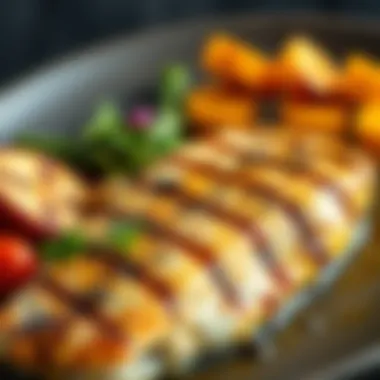
Pan-frying is a classic technique that thrives on convenience and speed without compromising taste. The desired result here is a crispy exterior while keeping the flesh moist and flaky.
Choosing the Right Pan
Selecting the proper pan is a critical aspect. A non-stick skillet works wonders for pan-frying fish, as it minimizes the chances of sticking. Alternatively, a cast-iron skillet can be used for an even heat distribution.
Key considerations include:
- Size of the pan: Make sure the fillets fit comfortably without overlapping.
- Type of heat conductors: Look for pans that offer good heat retention to promote even frying.
The downside of using a non-stick pan is potentially lower browning compared to other materials like aluminum or cast iron. Yet, avoiding stickiness usually outweighs that disadvantage.
Oil Options and Techniques
Here’s where things get a bit fun. When pan-frying pollock, choosing the right cooking oil is essential. Options like olive oil or a light vegetable oil can bring out the fish's natural flavors while ensuring a crisp finish. However, peanut oil offers a higher smoke point, ideal for the frying process.
Simple techniques can be employed for successful frying, such as:
- Coat fish lightly in flour or breadcrumbs for extra crunch.
- Heat oil to the right temperature; around 350°F (175°C) yields ideal frying conditions.
- Do not overcrowd the pan. This leads to steaming rather than frying, which dampens that desired crispiness.
All in all, each frying method possesses its unique potential, but it does require careful management of heat and timing. Combining these considerations ensures your pollock lands on the plate with the perfect golden finish.
Serving Suggestions
When it comes to enjoying Pollock fish, the way it's served truly makes a difference. Serving suggestions not only enhance the meal's overall presentation but also influence flavor dynamics and nutritional balance. Pairing Pollock with the right sides and sauces can elevate a simple dish into a culinary experience. Let's dive deeper into this.
Side Dishes
Vegetable Pairings
Vegetable pairings are essential for rounding out the meal when serving Pollock. They contribute flavors, colors, and textures that complement the fish beautifully. Think about crispy asparagus spears or roasted Brussels sprouts; their earthy notes can balance the subtle taste of Pollock, which is often described as mild and flaky.
One key characteristic of vegetable pairings is how they can bring nutritional variety to the table. Pollock may not be the only player on your plate, but combining it with veggies like broccoli or carrots enhances the meal's vitamin intake. This is particularly beneficial for those looking to incorporate more greens into their diets.
The unique feature of vegetable pairings lies in their versatility. You can go for a fresh garden salad in warmer months or hearty, roasted vegetables in fall and winter, catering to seasonal ingredients. However, one disadvantage might be that not every vegetable pairs well with every cooking method. If you're grilling Pollock, a side of sautéed greens could work, while a baked fish might pair better with something roasted.
Grain Accompaniments
Grain accompaniments are another valuable addition to your Pollock dish. They act as a base that can absorb the flavors of the fish and sauces, making the meal wholesome and filling. Consider using quinoa or brown rice; these options offer rich textures and nutty flavors that go hand in hand with the fish's mild profile.
A distinct characteristic of grain accompaniments is their ability to offer a satisfying chew to every bite. This not only provides filling qualities but promotes a more balanced meal; adding whole grains contributes fiber, which is essential for digestive health. Therefore, they are a popular choice among health-conscious eaters.
The unique feature of grains is their adaptability to different flavors. You can spice up a simple rice dish with herbs or stock to make it more appealing. Yet, one disadvantage is that some grains require longer cooking times, which might not always align with the quick cooking nature of Pollock fish. Ultimately, planning is key to ensuring everything comes together deliciously.
Sauce Pairings
Lemon Butter Sauce
Lemon butter sauce is a classic choice when serving Pollock, as its zesty brightness perfectly harmonizes with the fish's delicate flavor. A rich blend of butter and fresh lemon juice, this sauce adds a luxurious touch that can elevate a simple Pollock dish into something special.
One of the benefits of lemon butter sauce is its simplicity and quick preparation. It can be made in a matter of minutes, often with ingredients you already have on hand. This makes it a go-to option for last-minute meals or special occasions alike. Its unique feature is the balance it offers; the acidity from the lemon cuts through the richness of butter, creating a well-rounded flavor that enhances the fish.
However, it is worth noting that this sauce might not be suitable for those who are lactose intolerant or watching their fat intake. But for those who can indulge, it’s a favored companion for Pollock that guarantees satisfaction.
Herbed Yogurt Sauce
Herbed yogurt sauce is another fantastic pairing for Pollock. This cool and refreshing option adds layers of flavor without overwhelming the fish's natural taste. Made with Greek yogurt, fresh herbs, and perhaps a hint of garlic or lemon, it provides a creamy texture that contrasts nicely with Pollock’s flaky characteristics.
The key benefit of the herbed yogurt sauce is its nutritional profile; it’s lower in calories compared to butter sauces while still offering a satisfying richness. It also brings in probiotics from the yogurt, making it a healthy choice for digestion. The unique feature is its customizable nature; you can change the herbs based on what you have available, making it versatile for any cuisine.
Nonetheless, while herbed yogurt sauce may appeal to many, some diners might prefer something richer. It might not be the first choice if a heartier flavor is desired, but for those looking for a lighter option, it's more than suitable.
Storing Leftover Pollock
Storing leftover pollock is an often-overlooked part of cooking that can help prevent food waste and ensure that your meal remains safe and delicious for a longer period of time. Knowing how to properly refrigerate or freeze pollock can maximize its freshness and quality, making it easy to enjoy your fish dish days after you first cooked it. Let's take a closer look at two main aspects: refrigeration and freezing.
Refrigeration Guidelines
When you're thinking about keeping your leftover pollock handy, refrigeration is the go-to method for short-term storage. It's important to act quickly after your meal; ideally, you should cool the pollock within two hours of cooking. Here are a few tips:
Storage Containers
Selecting the right storage container plays a critical role in how well your leftover pollock holds up. Glass containers, for instance, are a fantastic choice for this purpose. They don't absorb smells or stains and can be sealed tightly, keeping air out, which is a big plus. On the downside, they can be heavy and breakable. Another option are plastic containers, which are lightweight and come with a variety of lid styles. However, they might wear down over time, potentially leaching chemicals into food if left in the fridge too long.
Here’s a quick overview of the pros and cons:
- Glass Containers
- Plastic Containers
- Pros: Non-reactive, keeps odors in check, microwave safe.
- Cons: Heavy and easily breakable.
- Pros: Light, durable, often less expensive.
- Cons: Can stain or retain odors, potential for chemical leaching over long periods.
Best Practices
Following best practices for leftover storage isn't just about keeping your food safe, it's also about maintaining its quality. Always allow the pollock to cool to room temperature before sealing it up. This helps reduce condensation, which can make the fish soggy. Use airtight containers to keep moisture at bay, but do check your leftovers every couple of days. Aim to consume them within three to four days for optimal taste and safety.
Note: Utilizing proper labeling can also make it easier to keep track of your food and its freshness date!
Freezing Methods
If you find yourself with a larger quantity of leftover pollock, freezing might be the best route to take. Proper freezing ensures you have a meal ready to go down the line. Let’s explore the methods.
Preparing Pollock for Freezing
Before tossing your leftover pollock into the freezer, there are some key preparation steps. Make sure to wrap the fish tightly in plastic wrap or aluminum foil. This acts as a barrier against frost. For an extra layer of protection, you can place the wrapped fish into a freezer bag, squeezing out as much air as possible. This will help prevent freezer burn, which can compromise both taste and texture. A quick tip is to cut the fish into servings before freezing; this way you only thaw what you need.
Thawing Techniques
Thawing your frozen pollock is just as important as how you freeze it. While you might be tempted to unwrap and defrost it on the countertop, that can lead to uneven thawing and potential bacterial growth. The best method is to transfer it to the refrigerator the night before you plan to use it. This slower thaw allows the fish to maintain its integrity.
Alternatively, for a quicker approach, you can place the pollock in a sealed bag and submerge it in cold water. This method keeps the fish at a safe temperature while it thaws, ensuring both safety and quality. Just remember, never refreeze pollock that has already been thawed.
Storing your leftover pollock isn't just about convenience—it's about preserving the flavor and freshness of your meal. By keeping these techniques in mind, you'll ensure that your remaining pollock remains just as delightful as it was on the day you cooked it.
Pollock in Global Cuisines
Pollock, a versatile fish with a mild flavor, has made its way into various cuisines around the world. This fish, primarily found in the North Pacific Ocean, is not just a staple for its taste but also for its nutritious profile that appeals to home cooks and chefs alike. In this section, we will explore how pollock is prepared in Asian and European cuisines, demonstrating its adaptability and appeal across different cultures.
Asian Preparations
Sushi and Sashimi
Sushi and sashimi highlight the freshness of pollock, showcasing its delicate texture and taste. When prepared as sashimi, pollock's mild flavor allows it to act as a canvas for the acidity of wasabi and soy sauce, making for an exhilarating bite. The key characteristic of using pollock in sushi lies in its clean, subtle taste that complements the vinegared rice wonderfully, drawing attention to the freshness of the fish itself.
A unique feature about using pollock is its availability; while many may opt for more traditional sushi fish like tuna or salmon, pollock offers an economical alternative without sacrificing quality. However, it’s crucial to ensure the fish is of sushi-grade quality to avoid health risks. The advantages of using pollock in sushi are numerous: it's less expensive and can be a great introduction for those unfamiliar with raw fish options.
Stir-Fried Dishes
Pollock shines in the lively world of stir-fry, too. This cooking method encapsulates the essence of quick, high-heat preparation while locking in the fish's moisture and flavor. Pollock’s soft texture allows it to absorb spices and seasonings remarkably well, adding depth to stir-fried vegetables and grains. By incorporating pollock into stir-fries, cooks can enhance nutritional content without overwhelming the palate with strong seafood flavors.
Its key characteristic is that it cooks rapidly, making it an ideal choice for swift meals that still hit the spot. However, a common disadvantage might be that too much intense heat or cooking for too long can lead to a mushy texture, which is less desirable when indulging in a stir-fry. Care needs to be taken to avoid this pitfall while enjoying the benefits of a quick and delicious meal.
European Influence
Traditional Dishes
In European culinary traditions, pollock often graces the table in various forms, from baked fillets to creamy stews. The importance of traditional dishes using pollock lies in their ability to elevate this fish to a comforting staple, embraced by families across generations. Baked pollock, for instance, often finds itself draped in herbed butter, bringing a rustic touch to dinner tables.
A standout feature here is the use of regional ingredients – herbs, spices, and sauces – that unite with pollock to create hearty and satisfying meals. This method is beneficial for a wholesome dining experience while also reflecting seasonal produce. However, an argument against using pollock in traditional European dishes could be its lower visibility compared to cod or haddock, which are more commonly featured. But with the right preparation, pollock can shine brightly.
Modern Twists on Classics
Modern culinary practices have embraced pollock, integrating it into innovative takes on classic dishes. Chefs are reinventing the uses of pollock by incorporating it into fish tacos or even as a meat substitute in recipes like fish cakes, merging traditional cooking with contemporary preferences.
The key characteristic of these modern twists is their creative approach to texture and flavor combinations. These dishes not only highlight pollock’s adaptability but also resonate with a health-conscious audience seeking lighter fare. While some traditionalists may argue this changes the essence of classic recipes, the advantage lies in reaching newer audiences and providing a variety of choices, making pollock a captivating option in modern cuisines.
"Integrating pollock into global cuisines enhances its appeal, showcasing its versatility while catering to diverse taste preferences."
Health Considerations
Understanding the health implications of consuming Pollock fish is crucial for both the body and the planet. While Pollock is known for its nutritional benefits, it’s equally essential to consider how sustainably it’s sourced and the dietary needs of individuals. Highlighting these factors helps foster a consciousness around food choices that values health and ecological balance.
Sustainable Sourcing
Environmental Impact
The environmental footprint of fishing practices has increasingly garnered attention in recent years. The environmental impact of sourcing Pollock is significant in discussions about sustainable consumption. Overfishing and habitat destruction can lead to volatile ecosystems, making it imperative to recognize the sourcing methods of our seafood. Wild-caught Pollock, often sourced from well-managed fisheries, addresses this concern. By being mindful of sustainable fishing practices, we help to maintain fish populations and support ecosystems.
This method not only secures a stable supply of fish, but it also ensures a healthier environment. In turn, this offers a sustainable choice for consumers, promoting both nutrition and ecological health. By choosing Pollock from fisheries that follow responsible management practices, buyers contribute to the betterment of ocean health and, consequently, their own well-being.
Choosing Sustainable Brands
Selecting sustainable brands is another critical element. It’s not just about the fish itself but also about the brand’s commitment to responsible sourcing. Sustainable brands often transparently share their fishing practices and sourcing locations. This characteristic is both beneficial and popular with environmentally conscious consumers.
A notable aspect of sustainable brands is their investment in community practices that support local fisheries and provide fair wages. Through this connection, consumers can derive satisfaction not only from the nutritional benefits of the fish but also from supporting ethical methods over unsustainable practices. By opting for reputable brands, you encapsulate the essence of mindful eating.
Dietary Restrictions
Allergic Considerations
When it comes to dietary restrictions, being aware of allergic considerations surrounding Pollock is essential. Various individuals may experience allergic reactions to fish, and understanding these allergies helps prevent risk. Pollock, while a healthy option for many, can be a source of concern for those with specific fish allergies.
The fundamental characteristic of allergic reactions is that they can range from mild symptoms, like hives or stomach upsets, to severe reactions, such as anaphylaxis. This expansive spectrum makes it necessary for individuals with known allergies to approach Pollock with caution. If you or someone in your household has a fish allergy, it’s vital to consult with a healthcare professional before incorporating Pollock into the diet.
Nutritional Adaptations
Nutritional adaptations is a topic worth discussing for those who face dietary limitations. Pollock is a low-fat fish that packs a punch in terms of protein and essential vitamins. This aspect makes it suitable for a variety of diets, especially low-calorie or high-protein regimens. Pollock can be an excellent alternative for individuals looking to substitute higher-calorie meats, thereby aiding in weight management.
Moreover, for individuals who need to adapt their diets due to conditions like heart disease, Pollock’s omega-3 fatty acid content provides benefits without the drawbacks associated with red meat. By recognizing the unique nutritional features Pollock offers, diners can develop a meal plan that aligns with their health goals without sacrificing taste.
End
In wrapping up our extensive look at pollock fish, it’s important to reflect on the myriad elements that have been discussed. Preparing pollock isn’t just about following a recipe; it embodies a journey through selection, preparation, and presentation of a fish that holds a significant place in culinary traditions across the globe.
Understanding the nutritional profile of pollock gives cooks reason to embrace this versatile fish. It’s not just tasty but also packed with vitamins and minerals that support health. For instance, its rich protein content makes it an excellent choice for individuals pursuing a balanced diet. Not only does pollock fit well into a variety of dietary restrictions, but it also offers a palatable option for those who may be wary of seafood in general.
The cooking techniques highlighted throughout the guide—be it baking, grilling, or frying—illustrate the fish’s adaptability. Each method brings out different flavor profiles, allowing for a range of dishes that can cater to various tastes. The side dishes and sauces we discussed play into this versatility, enabling the creation of harmonious meals that appeal to both the novice and seasoned chef.
Moreover, the sections on storage and meal prep serve as a gentle reminder that planning is half the battle. Being able to extend the life of your leftover pollock not only reduces food waste but also allows for quick and nutritious meals in the future. With thoughtful preparation, one can transform what might be an ordinary meal into something extraordinary.
Lastly, acknowledging sustainable sourcing practices is vital. Choosing pollock that has been caught or farmed with environmental responsibility ensures that we protect the resources for future generations. This not only benefits the ecosystems but also aligns with the increasing consumer awareness and preference for ethical eating.
"Cooking is like love. It should be entered into with abandon or not at all." - Harriett Van Horne
For more details on cooking and health benefits, check resources like Britannica, or explore discussions on sustainable seafood choices at Reddit.
By embracing these principles and practices, anyone can elevate their cooking game, specifically when it comes to pollock fish.