Discovering the Benefits of Pyrex Food Prep Containers
Intro
In modern kitchens, the debate about food storage solutions often centers on functionality, safety, and design. Enter Pyrex food prep containers, which are celebrated for their durability and versatility. Made from high-quality glass, these containers are designed to not only meet the practical needs of food storage but also bring a stylish touch to any kitchen. Their ability to withstand high and low temperatures opens a world of possibilities, from preparing meals to storing leftovers.
Understanding the materials that make up these containers is crucial. Pyrex glass is resistant to thermal shock; hence, it can go straight from the freezer to the oven, handy for those who meal prep through batch cooking. Additionally, these containers offer an effective seal to preserve freshness, keeping your meals tasty and safe for consumption.
This article invites you to delve into the world of Pyrex food prep containers, exploring their significance, design, and functionality. As we navigate through the details, you'll discover best practices for care and maintenance, common myths surrounding Pyrex, and innovative recipes that leverage the versatility of these containers. Let’s not just scratch the surface; it’s time to uncover the ins and outs of Pyrex food prep containers—your key to a more organized and enjoyable cooking experience in the kitchen.
Preface to Pyrex Food Prep Containers
In the world of kitchenware, Pyrex food prep containers hold a special place, revered for their functionality, durability, and versatility. These containers are not just another storage option; they have become essential allies for home cooks and professional chefs alike. Whether you're whipping up a quick meal or meticulously planning a week’s worth of lunches, Pyrex offers solutions that are practical and reliable.
But what makes these containers stand out? The answer lies in their composition. Pyrex containers are primarily made from borosilicate glass. This type of glass is designed to withstand both high and low temperatures, making it ideal for various cooking methods, including baking, freezing, and microwave use. This characteristic alone gives users peace of mind. They can confidently transfer food from the oven to the table without worrying about the container breaking or warping.
Moreover, Pyrex containers are suitable for long-term storage. Unlike plastic, which can absorb odors and stains, glass retains its clarity and cleanliness. This durability means that your Pyrex containers will last for years if cared for properly, representing a worthwhile investment in your kitchen repertoire.
A significant advantage of using Pyrex is its environmentally friendly nature. Glass is infinitely recyclable, which aligns with a more sustainable lifestyle. In an era where plastic waste is a growing concern, opting for Pyrex contributes to reducing one's ecological footprint.
In summary, understanding the importance of Pyrex food prep containers is crucial for anyone passionate about cooking, meal prep, or food storage. These containers are not merely tools but essential components that enhance food preparation and preservation processes. As we delve deeper into the history and evolution of Pyrex, we will uncover the layers that make these containers a staple in kitchens across the globe.
The History of Pyrex
The origins of Pyrex date back to the early 1900s, stemming from the innovative spirit of the Corning Glass Works. Originally created for laboratory glassware, borosilicate glass was soon adapted into the kitchen realm, leading to the birth of Pyrex as we know it today. The first Pyrex casserole dish hit the market in 1915 and was an instant success due to its robustness and versatility.
Pyrex became synonymous with quality kitchenware, especially during the post-World War II era. Kitchen ownership surged in American homes, and the popularity of Pyrex continued to soar. With designs that catered to both practicality and aesthetics, Pyrex not only served functional purposes but also found its place as a coveted decorative item in household kitchens.
Evolution of Design and Functionality
Over the years, Pyrex has undergone significant changes in design and functionality. Initially focused on simple shapes and clear glass, it soon expanded to offer a plethora of styles and colors. From vibrant patterned designs in the mid-20th century to sleek, modern aesthetics today, Pyrex has adapted to the evolving tastes of consumers.
Functionality has also evolved; early Pyrex pieces primarily focused on baking. Today's Pyrex food prep containers cater to a wider array of cooking tasks. They are now microwave-safe, freezer-safe, and dishwasher-safe, making them incredibly user-friendly.
Additionally, various shapes and sizes have been introduced to meet the diverse demands of meal prepping. Whether you're storing leftovers, prepping ingredients, or baking a special dish, Pyrex has a container designed just for that. This adaptability reflects an understanding of consumer needs, ensuring that Pyrex continues to remain relevant in an ever-changing culinary landscape.
The journey of Pyrex from its historical roots to the modern day showcases a commitment to innovation and practicality that resonates with both home chefs and professional culinary artists.
Material Composition of Pyrex Containers
The composition of materials used in Pyrex containers is pivotal to their durability, functionality, and safety as food storage tools. Understanding these materials helps users make informed decisions, ensuring their kitchen practices maintain both health standards and efficiency. When choosing food prep containers, it's paramount to consider how the materials affect not just how food is stored, but also the overall cooking and eating experience.
Glass vs. Plastic: A Material Comparison
When it comes to food storage solutions, glass and plastic are two predominant materials that often find themselves head-to-head. Each has its own set of pros and cons that cater to various needs.
Glass is often viewed as the gold standard for food storage. It's non-porous, meaning that it won't absorb food odors or stains, ensuring that each meal retains its intended flavor. Furthermore, glass is microwave-safe, which facilitates reheating without leaching harmful chemicals into your food.
Conversely, plastic, while lightweight and less prone to breakage, frequently poses concerns regarding BPA and other chemicals. Many modern plastics are BPA-free, but some still release substances when heated or scratched. This raises an eyebrow for the health-conscious consumer.
- Durability: Glass can be more durable in some aspects, yet is more fragile against drops and impacts compared to sturdy plastics which are designed for resilience.
- Weight: For those transporting food, plastic is undeniably lighter and can be more portable.
- Pricing: Glass containers may carry a higher upfront cost compared to their plastic counterparts, but their longevity often makes them more economical in the long run.
It's a balancing act—choosing between glass or plastic requires consideration of lifestyle, cooking habits, and personal priorities for health and safety.
The Role of Borosilicate Glass
Borosilicate glass is a type that deserves special mention within the Pyrex lineup. This glass is famed for its exceptional thermal resistance, a factor that makes it quite popular among cooks and bakers alike. Unlike regular glass, borosilicate can withstand the rapid temperature changes that might occur in various cooking methods.
For instance, this glass can safely transition directly from the fridge to a hot oven without cracking or shattering—something that's not easily achievable with standard glass. Users will appreciate its ability to hold up against thermal shocks, thus improving versatility in the kitchen. Some specific benefits include:
- Heat Resistance: Ideal for baking tasks where consistent temperatures are paramount.
- Durable Design: Resistant to scratches and will not stain easily, enhancing the longevity of the container.
- Easy to Clean: Non-porous characteristics mean food particles and odors don’t cling, promoting higher hygiene standards.
Borosilicate glass truly represents a marriage of science and practicality in cooking, providing cooks with a reliable tool that’s just as comfortable in the oven as it is in the fridge.
Environmental Impact of Pyrex Glass
The sustainability profile of materials is becoming a growing concern for a lot of consumers, and Pyrex’s glass containers score points for being environmentally friendly. Being reusable and durable means less waste, reducing the need for single-use plastics which plague landfills and oceans.
Using Pyrex glass containers can significantly lessen one's carbon footprint compared to frequent plastic replacements. Eco-conscious cooks may also appreciate how glass recycling is more widely available, allowing for responsible disposal at the end of a container’s life cycle.
- Recyclability: Glass is 100% recyclable without a loss of quality.
- Longevity: Investing in durable Pyrex containers means buying less frequently, achieving a reduction in the resources associated with manufacturing new products.
- Chemical Safety: Glass doesn’t leach harmful substances into food, promoting healthier consumption without sacrificing the planet.
“Choosing Pyrex glass containers is a step towards both personal health and a cleaner environment.”
In summary, the material composition of Pyrex food prep containers plays an essential role in their popularity. By weighing the advantages of glass versus plastic, understanding borosilicate glass's unique traits, and considering the environmental impact, one can appreciate why Pyrex stands tall among kitchen storage solutions. Engaging in conscious choices about food storage can make all the difference, not just for our households but for the environment at large.
Practical Benefits of Using Pyrex Containers
When it comes to food prep, Pyrex containers have really made a name for themselves. Their benefits roll out like a red carpet, inviting both seasoned chefs and novice cooks into a world where food storage meets functionality and style. Let's dig into the specifics of what makes Pyrex a strong contender in the realm of kitchen storage solutions.
Health Considerations: Safety in Food Storage
Safety is paramount, and when it comes to food preparation, one must consider the materials that come in contact with food. Pyrex containers, crafted from borosilicate glass, are a safe bet. This type of glass is not only durable but also free from harmful chemicals typically found in plastic. For instance, substances like BPA can seep into food, especially when exposed to heat or if the container ages. Pyrex takes a different approach; being non-porous, they do not harbor any bacteria or odors, ensuring that every meal is safe and healthy. Furthermore, they are dishwasher safe, which simplifies the cleaning process.
It’s also worth mentioning how Pyrex containers resist stains and retain clarity over time. Unlike plastic containers that may acquire an unsightly yellowish tint, Pyrex remains as clear as a mountain stream. This clarity allows you to quickly see what’s inside, adding to its overall efficiency. To sum up, Pyrex cleverly combines practicality and safety, ensuring that your food stays uncontaminated.
Transparency in Cooking: Monitoring Food Progress
Want to keep an eye on that bubbling lasagna without cracking the lid? Pyrex has this covered with its clear glass that lets you monitor your culinary creations without any fuss. This transparency is not just about aesthetics; it’s incredibly useful for cooking. It allows home cooks to gauge the progress of their dishes in real-time, ensuring that nothing goes unnoticed. No more sneaking peeks at your casserole dish by lifting the lid and interrupting the cooking process.
Additionally, the temperature resistance of Pyrex glass means you can go from the oven to the table with no worries. The fact that you can serve straight from the oven to the dining room not only saves on dishes but also keeps the food warm when it’s time to eat. This practical boon supports seamless transitions, permitting cooks to focus on enjoyment rather than fretting.
Versatility Across Cooking Applications
The flexibility of Pyrex containers in various cooking scenarios is what sets them apart. Whether you're batch-cooking meals for the week ahead or whipping up something special for a dinner party, these containers handle it all. They are oven-safe, microwave-safe, freezer-safe, and can even be used for marinating. That’s right, toss your meats or vegetables with your favorite marinade, pop them into the fridge, and you’re all set for flavorful results.
Moreover, Pyrex containers come in a variety of shapes and sizes, from round dishes for baking to rectangular ones perfect for leftovers. This variety lets you select the ideal shape for your specific dish. Need to store a lasagna? There's a Pyrex for that. Want to freeze soup for a rainy day? They got that covered too.
Their versatility doesn’t just end at cooking; it’s also a partner in meal prep. You can segment your ingredients, store them all in one spot, and whisk them out for your meals throughout the week. It's a smart way to embrace home-cooked meals without the hassle.
In summary, the utility, safety, and versatility of Pyrex containers make them a staple in modern kitchens, appealing to health-conscious cooks and busy families alike.
By understanding these benefits, people can truly appreciate why Pyrex containers stand out among kitchen storage solutions, marrying health with practicality in an appealing way.
Selecting the Right Pyrex Containers
Choosing the right Pyrex containers can make all the difference in your cooking and meal prep experience. With a vast array of options that vary in size, shape, and function, it’s crucial to consider what best suits your specific needs. Selecting failsafe containers not only enhances food storage but also contributes to efficient meal preparation. Factors such as the type of food you’ll be storing, the space you have available, and even your personal cooking habits come into play here. In a world where time and quality are paramount, the decisions you make regarding your food preparation tools can streamline your processes significantly.
Whether you are a seasoned chef or just starting out, the right containers can accommodate everything from leftovers to larger meal preps. Understanding sizes and shapes and lid options helps in ensuring that you have everything covered. It’s not just about the food; it’s about creating an environment that promotes organization and ease in the kitchen.
"The efficiency of your kitchen often hinges on the tools you choose; the right containers turn chaos into clarity."
Sizes and Shapes: Finding What Fits
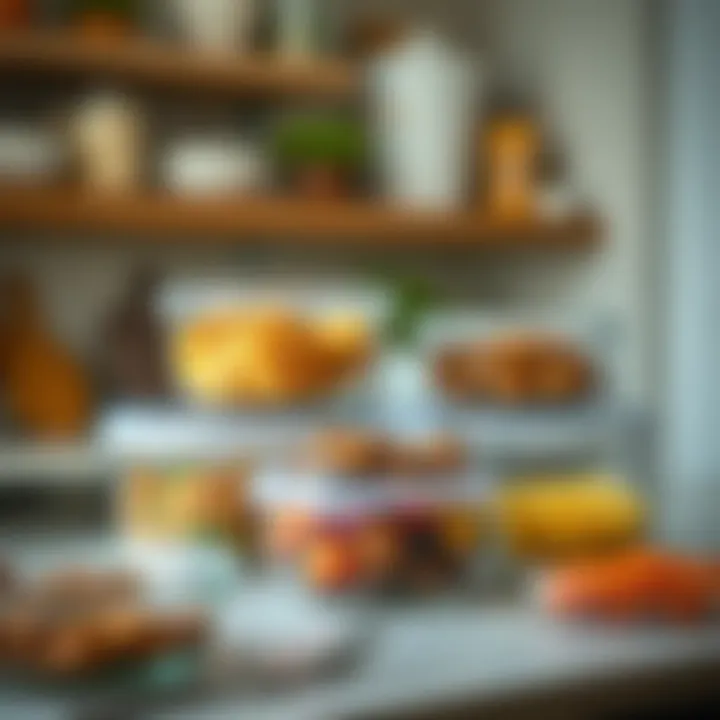
Finding the right sizes and shapes of Pyrex containers is about more than aesthetics; it revolves around functionality. Pyrex offers various container sizes, from small bowls perfect for individual servings to large rectangular dishes suitable for casseroles and meal prepping for the week. The selection caters to different cooking methods, storage needs, and even serving styles.
Here are a few considerations when selecting sizes and shapes:
- Space Availability: Assess your kitchen and storage spaces. A set of nesting containers can save valuable cupboard space.
- Food Type: Square and rectangular options fit better in refrigerator spaces and maximize storage efficiency. If you often cook in batches, you may want to lean towards larger, deeper dishes.
- Serving Needs: Consider whether you frequently host gatherings. Larger containers not only store food well; they can also serve directly at events, reducing dishwashing duties.
Whether you are prepping an elaborate dinner or making a simple meal, ensuring that your containers align with your cooking and serving style will yield better results.
Lid Options: Choosing Between Glass and Plastic
When it comes to covering your Pyrex containers, you’ll find yourself at a crossroads: glass lids or plastic lids? This decision can influence everything from food longevity to ease of cleaning.
Glass lids are a sturdy choice. Their durability and ability to withstand significant temperature changes make them ideal for oven use. They provide a form of seal that helps keep moisture in, making them excellent for slow cooking or baking. However, keep in mind:
- Weight: Glass lids can be heavier and may require more careful handling.
- Cost: Generally, they tend to be pricier than their plastic counterparts.
On the flip side, plastic lids are lightweight and, in many cases, available with snap-on seals that create a tight closure. They come in handy for quick storage or transport but aren’t always oven-safe. Consider the following:
- Convenience: Easy to handle, especially in busy kitchens.
- Variety: Often available in a wider range of colors and styles.
Ultimately, the choice between glass and plastic lids depends on your lifestyle, cooking habits, and how you intend to use your Pyrex containers. Consider making a small investment in both styles to have the right option available for any occasion.
Care and Maintenance of Pyrex Containers
Caring for and maintaining Pyrex containers is not just a chore; it’s an essential part of keeping your kitchen efficient and your food safe. These glass containers, known for their durability, can serve you well for many years if treated right. Proper maintenance prolongs the life of your containers and ensures that you are getting the best performance out of them during food preparation. It’s worth noting the real benefits of this practice: nurturing familiarity with your cookware promotes both efficiency and enjoyment in the kitchen.
Proper Cleaning Techniques
When it comes to cleaning Pyrex containers, understanding the right methods can save you from a world of hassle. Using abrasive cleaners, or steel wool might seem tempting but it can scratch and damage the surface of your containers. Instead, stick to gentle cleaning solutions. Warm, soapy water should do the trick nicely.
- Insider Tip: For those stubborn food residues, try soaking the container in warm water mixed with a bit of baking soda overnight. It’ll break down that clingy food.
- Avoid drastic temperature changes. Let the container cool down before washing it, as hot glass meeting cold water can lead to cracks.
- You can also pop your Pyrex containers right in the dishwasher if they're not too soiled, but ensure they’re placed on the top shelf to avoid extreme heat that might warp their shape.
By practicing these proper cleaning techniques, you not only maintain the quality of your Pyrex, but you keep your food preparation safe and hygienic.
Avoiding Thermal Shock
Preventing thermal shock is crucial when working with Pyrex—this glass is beloved for its ability to resist extreme temperatures, but it’s never infallible. Heat changes can sometimes catch even seasoned chefs off-guard. When you move a hot container into a cold environment or vice versa, you risk the chance of it shattering.
To avoid these mishaps:
- Temperature Gradation: Introduce gradual temperature changes. For instance, if you’ve just taken a dish out of the oven, let it sit for a bit on a counter before moving it to the fridge.
- Avoid Direct Heat: Placing Pyrex directly onto a hot burner is a no-no. That could spell disaster, as it can subject the glass to unforeseen stress.
- Store Evenly: When storing Pyrex, try to keep it in a consistent temperature zone, using insulated pads or using separators can help when stacking.
“Proper care of your Pyrex isn’t just good practice, it’s a smart investment in your kitchenware longevity.”
By implementing these strategies, you will minimize the risks associated with thermal shocks, ensuring your cooking, baking, and storage remains not only effective but also safe. Caring for your Pyrex containers fosters an environment where they can truly shine in the culinary arena, contributing to your meals’ success.
Innovative Uses for Pyrex Containers
When we think about Pyrex food prep containers, images of neatly stacked, colorful dishes storing leftovers might come to mind. However, their functionality stretches far beyond just the conventional use. Pinpointing innovative ways to utilize these containers truly unlocks their potential in modern kitchens. By understanding their unique features—like being oven-safe, microwave-friendly, and remarkably durable—cooks can explore varied applications that enhance both meal preparation and storage.
Meal Prep Solutions
Meal prepping has become quite the trend among health-conscious individuals and busy families alike. Pyrex containers fit perfectly into this paradigm. Their glass composition allows for easy monitoring of food without the need for additional wraps or lids during preparation. Here are some considerations and benefits:
- Portion Control: These containers come in various sizes, allowing users to measure out meals for individual servings. That can be helpful for those looking to manage portion sizes or follow a specific dietary regimen.
- Durability: Unlike plastic containers, Pyrex can endure heat fluctuations, making it ideal for reheating previously prepared meals.
- Visually Appealing: Aesthetics matter in meal prep. Pyrex’s sleek design presents food nicely, making it easier to become excited about nutritious options instead of drab meals.
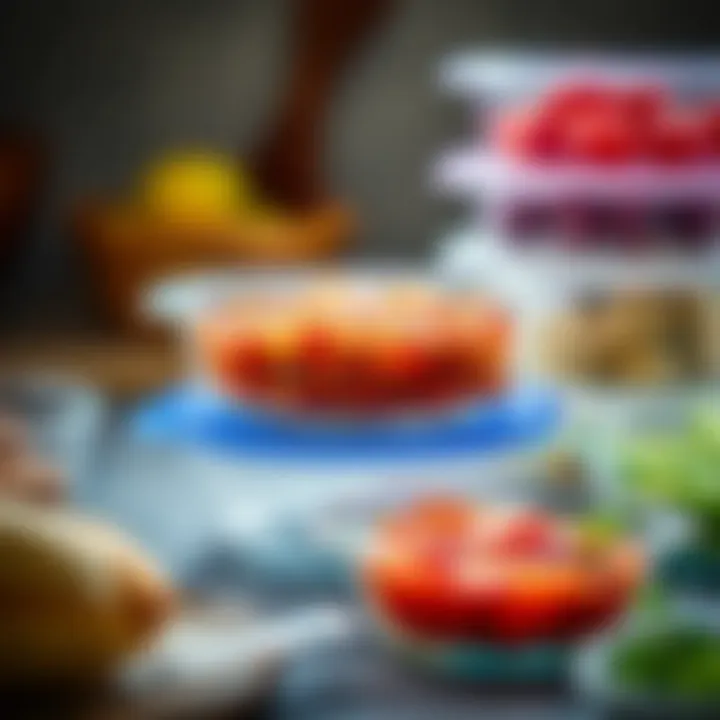
“Food presentation is crucial; if it looks good, it tastes better!”
Baking and Cooking Versatility
Beyond storage, Pyrex containers shine in baking and cooking applications. Considered a cook's best friend, they can seamlessly transition from the refrigerator to the oven without a hitch. Some ways Pyrex can enhance cooking:
- Oven-to-Table: Serve directly from the oven to the table without transferring to another dish, minimizing cleanup time.
- Recipe Flexibility: Many popular dishes—like lasagnas or baked casseroles—can be cooked in Pyrex, letting flavors meld beautifully while maintaining an even temperature.
- Adjustability: With options available that go from freezer to microwave, it's a breeze to prepare meals in advance and heat them up later—no fuss, no muss.
Storage in the Fridge and Freezer
Pyrex containers are crucial in ensuring food remains fresh and delicious, whether in the fridge or the freezer. The advantages of using these containers for refrigeration include:
- Sealing Freshness: Options with airtight lids prevent moisture from escaping, sustaining the quality of the food. It helps in keeping fruits crisp and salads fresh for longer.
- Space-Efficient Shapes: Their design allows snug stacking, making use of vertical space without spreading stuff all over the fridge.
- Clearer Visibility: The transparent glass means you can quickly see what’s inside without rummaging through, preventing forgotten meals at the back.
With these innovative uses, Pyrex containers are much more than kitchenware; they embody an efficient tool for contemporary eating habits and creative cooking. By integrating them smartly into daily routines, home chefs can optimize their culinary experiences.
Limitations and Misconceptions
The popularity of Pyrex food prep containers is evident, but alongside their praise lie several limitations and misconceptions that warrant attention. Understanding these elements is crucial for consumers seeking to optimize their kitchen storage solutions. While Pyrex containers boast numerous advantages, being aware of their constraints ensures realistic expectations and prolonged satisfaction with the product. This section aims to clarify these misconceptions, providing a balanced perspective on Pyrex containers.
Addressing Common Misunderstandings
Many folks believe that Pyrex is indestructible, attributing an almost mythic durability to their glass containers. In reality, while they are significantly more resistant to heat and temperature changes compared to ordinary glass, they are not impervious to breakage. A fall from a counter or a sudden temperature shift can lead to cracks or shattering. It’s a classic case of overestimating something that is reliably strong but not fool-proof. Care should always be taken to handle them with a fair amount of caution.
Another common misunderstanding is regarding the lids of Pyrex containers. Users might think that plastic lids are interchangeable and compatible with any glass base, which is not true. Each lid is designed specifically for its corresponding container shape and size. Having mismatched lids can lead to improper sealing and may compromise the freshness of stored food. Therefore, it’s wise to keep each lid matched to its container for optimal performance.
"Misjudging Pyrex for a bulletproof storage option might leave you with broken dreams and shattered glass. Always exercise care!"
Lastly, there’s a notion that all Pyrex products are created equal in terms of heat resistance. This is not the case. Originally, Pyrex was made from borosilicate glass, known for its thermal resistance, but many modern iterations use tempered soda-lime glass, which, while still durable, is not as robust against thermal shock. Knowing the specific type of glass in use helps align expectations with performance.
Comparing with Alternative Storage Solutions
When evaluating Pyrex containers, it's essential to look at how they stack up against other food storage options. One common alternative is plastic containers, which are lightweight, often less expensive, and generally resistant to breaking. However, many consumers are becoming increasingly conscious of potential health concerns surrounding plastic leaching chemicals into food. For those prioritizing health, this makes Pyrex a more appealing choice despite its heavier weight and higher price tag.
Moreover, stainless steel food storage has been gaining traction for its longevity and ability to withstand various temperatures. It doesn’t absorb food odors or stains, which is a plus. Yet, Pyrex glass containers remain favored due to their visibility allowing cooks to monitor contents without needing to pop the lid off.
When deployed appropriately, both Pyrex and its alternatives can have beneficial uses in the kitchen. The secret is in recognizing that each material has its own strengths and weaknesses. Pyrex remains unbeatable when it comes to oven safety and versatility, but it’s not always the best option for every scenario. For instance, throwing a sturdy plastic container into a child’s lunchbox might be much less of a headache compared to sending off a glass version.
Ultimately, the key takeaway is that every storage solution has its place, and understanding the limitations and misconceptions surrounding Pyrex containers can lead to better decision-making in your kitchen endeavors.
Finale: The Enduring Appeal of Pyrex Containers
The significance of Pyrex food prep containers stretches beyond mere aesthetics or brand loyalty. They have become staples in kitchens, largely due to their reliable performance and practicality. Over the years, Pyrex has cultivated a reputation for producing durable and multi-functional containers that suit various cooking and storage needs.
A Legacy of Dependability
One might consider the longevity of Pyrex as a testament to its quality. For generations, families have relied on these containers to preserve their meals, demonstrating the trust people have in their capabilities. It's the reliability and consistency in performance that draws in consumers. Pyrex containers can withstand extreme temperature changes, a welcome feature for those who transition from oven to table or fridge.
"A legacy of reliability is what makes Pyrex the household name it is today."
Health and Safety Considerations
An often overlooked aspect of food storage is health and safety. Pyrex glass containers do not leach harmful chemicals into food, unlike some plastics. This aspect has a significant impact on consumers who are increasingly scrutinizing what goes into their bodies. Using Pyrex offers peace of mind—knowing that meals are stored in materials that are both safe and non-reactive.
Versatility in the Kitchen
Pyrex food prep containers shine in their versatility. Be it meal prepping for the week, storing leftovers, or even baking delicious casseroles, the applications are seemingly endless. Their design accommodates various lid options, including snap-on plastic lids that are convenient for on-the-go lifestyles. With sizes ranging from small individual portions to large family-sized dishes, there is likely a Pyrex container for every need.
Future Innovations in Kitchen Storage
As we consider the future of kitchen storage solutions, Pyrex shows no signs of slowing down. Innovations are likely to continue, focusing on enhanced ergonomics and possibly even smart storage technology. Something that interfaces with our increasingly digital lifestyles could elevate Pyrex's appeal, while retaining the core values of durability and safety.